Stop clicking. Or at least, think twice before you do.
That random tap on an ad while scrolling through a news feed isn’t always a genuine interest in the product. Sometimes, it is a digital heist. Click fraud is the silent tax on internet marketing. It’s when a click is registered without any real human intent behind it. The stats are stark: roughly 14% of all clicks across the web come from sources that aren’t actually interested in what’s being sold.
This isn’t a minor rounding error. It’s a structural flaw in the engine that powers the modern web. Search engines like Google pull 99% of their revenue from advertising. When fraud goes undetected, ad revenue looks artificially inflated. The advertisers pay. The platforms profit. Everyone else gets screwed.
The Mechanics of the Scam
Click fraud feels like a paradox. It only exists because of a specific collision between two technologies: web advertising and search engine algorithms. In the old days, clicks were just data points for traffic. In search-based advertising, a click is currency.
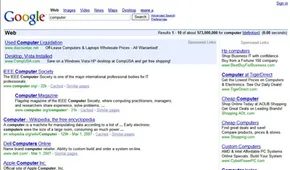
Google’s model relies on a simple transaction: you see an ad, you click it, the advertiser pays a pre-set fee. The ads appear in two main places. First, the sidebar or top results on a Google search. Second, on countless third-party websites that have signed up to display Google’s ads.
So, when does a click stop being a click?
It happens when the intent is absent. This could be a bored user mindlessly tapping the same ad repeatedly. More commonly, it’s automated. Bots. Viruses. Scripts running in the background, hammering ad links to drain an advertiser’s budget or boost a competitor’s costs.
The definition gets fuzzy when you look at the “why.” Why would anyone waste time or code on this?
Part of it is pure anti-social noise. The same energy that drives virus writers who want to break things for the sake of breaking things. But mostly, it’s about money. It’s about hurting a rival’s bottom line or siphoning off cash from a poorly defended campaign.
Why This Matters for Your Wallet
You might think you’re safe because you’re just browsing. But the cost of click fraud is passed down. Advertisers who get burned by inflated costs raise their prices. Or they cut corners. Or they stop advertising to smaller players who can’t afford to monitor their spend as closely as the giants can.
The system is designed to trust the click. It assumes a human made a choice. Fraudsters exploit that trust.
How do you figure out the intent of a click so you know if someone is committing click fraud? You don’t. Not easily. The tools exist to filter out obvious bot traffic, but the line between a curious human and a sophisticated script is blurry. And why would someone do that? It’s usually about money.
Search-based marketing isn’t just about slapping a banner on a page. It’s a complex, multi-step financial ecosystem. Search engines generate revenue, hosting sites get a cut, and advertisers win customers. But this system is rife with click fraud, a problem that reportedly drains about $1 billion from Google’s annual revenue. For small businesses, it can be fatal.
To understand why this happens, you need to understand the money flow. It doesn’t start with the ad; it starts with the keyword.
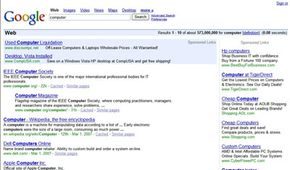
When you type “new computer” into Google, the ads appearing at the top aren’t there by accident. An advertiser has bid on that specific phrase. If you click that ad, the advertiser pays Google. This is the cost-per-click (CPC) model. And the price tag varies wildly depending on the keyword’s value.
“Computer” is expensive. Why? Because people searching for it are likely ready to spend hundreds or thousands of dollars. An advertiser might pay $40 per click. Compare that to “llama,” which might cost just five cents. One targets a high-stakes purchase. The other targets a niche curiosity. The difference in risk and reward is massive.
But Google isn’t the only one in the loop.
The Role of Second-Tier Publishers
The landscape gets messier when you leave Google’s main search page. Consider a site like HowStuffWorks. It has its own search engine, but it also displays “Sponsored Results” pulled from Google’s network.
In this scenario, HowStuffWorks is a second-tier publisher. If you search for “computer” there and click a sponsored ad:
- The advertiser pays Google.
- Google pays HowStuffWorks a share of that revenue.
This network of Google, advertisers, and publishers creates a web of trust. Or at least, it should. Instead, it creates opportunities for abuse.
Network Click Fraud: The Insider Threat
The most common type of fraud comes from within the network itself. Network click fraud involves a partner publisher generating false clicks on ads to inflate their own payouts.
It seems simple. Generate fake clicks. Get paid by Google. Repeat.
You might think Google wins here too, since the advertiser pays for every click, fake or real. But that’s a short-sighted view. Click fraud degrades the quality of the entire network. The value of an ad network isn’t just in the volume of clicks; it’s in the quality of those clicks. Do they lead to sales? Do they lead to inquiries?
When a network is flooded with non-converting clicks, the data becomes useless. Advertisers stop bidding. Google can’t charge premium rates for keywords. The ecosystem shrinks. Google has already sued partner publishers for this exact behavior. It’s a betrayal of the revenue-sharing model that keeps third-party sites profitable.
Competitor Click Fraud: Sabotage on a Budget
Then there’s the malicious side. Competitor click fraud targets a specific rival. The goal isn’t to earn money; it’s to drain the enemy’s wallet.
If an advertiser pays $40 per click for the keyword “computer,” a competitor can run up the bill by clicking their ads repeatedly. It doesn’t take much effort.
Just one fake click a day for a month adds up to $1,200 gone. That’s $1,200 for zero potential sales. For a large corporation, it’s a rounding error. For a small-time business with a tight marketing budget, it’s devastating. It can exhaust their monthly allocation entirely, leaving them invisible when real customers are searching.
The winner isn’t the fraudster who clicks the ads. The winner is the competitor whose rival runs out of money and stops advertising. The market shifts simply because one company couldn’t afford to compete.
It’s a brutal efficiency in digital marketing. The more clicks you generate without converting, the less you can bid on the next keyword. The cycle reinforces itself until the target is priced out of the conversation. And the worst part? You often don’t know it’s happening until the invoice arrives.
Google doesn’t just let the money burn. The tech giant has built a layered defense against click fraud, a system designed to intercept invalid traffic before it hits an advertiser’s wallet. The process is three-pronged. First, automated filters scan every click in real-time. They look for red flags like weird timing patterns or suspicious IP addresses. If something looks off, it gets flagged. Next, the analysis moves offline. Here, both algorithms and human analysts review the flagged data to confirm legitimacy. Finally, if an advertiser files a complaint, Google investigates. If the fraud is confirmed, the contract says Google refunds the bad clicks.
But knowing the system exists doesn’t always mean you feel protected. How do you actually spot the fraud? Sometimes the signs are screamingly obvious. Your monthly ad spend jumps from $200 to $5,000 overnight. Other times, it’s a slow bleed. Subtle. Harder to pin down.
That’s where third-party detection firms come in. These companies monitor your ad clicks, analyze IP logs, and hunt for invalid patterns. They don’t rely on Google’s word alone.
A Precedent in Oregon
The risks of ignoring these threats are real. Consider the case of Scott Hendison, who ran a web-based insurance-consulting firm. Back in 2004, he noticed his bills were spiking. He suspected click fraud.
Hendison investigated on his own. He saw a massive cluster of clicks coming from a single IP address. He hired a specialized firm to track the abuse. The firm confirmed the suspect IP. They provided data on who was clicking. Then, they set up a trap.
The next time that specific IP address clicked Hendison’s ad, a custom message popped up.
“Stop, you weasel! I know who you are and have reported you to the proper authorities.”
One click later. The problem stopped. Hendison reported the issue to Google. He says Google reimbursed him for only 50 percent of the fraudulent clicks.
This case highlights a major complaint: reimbursement isn’t always full coverage. Advertisers often feel Google isn’t doing enough to stop bad clicks at the source, let alone pay them back fully.
Transparency Issues
In 2005, a lawsuit accused Google of hiding its click-fraud numbers. The public was in the dark. This led to increasing attempts at transparency from the company. In a February report, Google stated that less than 10 percent of its advertising clicks were fraudulent. The company claimed its detection system caught almost all of them before advertisers were even charged.
Google also claims that only 0.02 percent of system-validated ad clicks turn out to be fraudulent. It’s the combination of reimbursing advertisers for that tiny fraction and tossing out the nearly 10 percent of identified bad clicks that costs the company roughly $1 billion a year.
Is that enough? For some, no. For others, it’s the best defense available.
Be Proactive, Stay Protected
Click fraud remains a significant challenge for search-based internet marketing. It impacts advertisers. Publishers. Search engines. The entire ecosystem relies on the integrity of ad clicks to drive revenue. When invalid clicks distort the market, everyone loses.
Estimates suggest click fraud costs Google around $1 billion annually. For small businesses, it can mean bankruptcy. More robust solutions are necessary.
Google’s three-step system is a critical defense. But the persistence of fraudulent activities shows the battle is far from over. Technological advancements in detection are essential. So is increased transparency. Better reimbursement practices are needed to maintain advertiser trust.
The complexity of click fraud is high. It involves networks, competitors, and click farms. Continuous innovation and cooperation across the advertising network are required.
The fight against click fraud is an ongoing process. Internet marketing remains a viable business model only if all stakeholders remain vigilant. Proactive identification and combat of fraudulent activities are non-negotiable. Only through these concerted efforts can the integrity of digital advertising be preserved. Ensuring clicks translate into genuine interest and potential sales, rather than merely inflating costs.
The market dynamics shift. New tactics emerge. The tools change. But the goal remains the same. Keep the fraudsters out. Keep the advertisers safe.
Frequently Asked Questions
What is click fraud with example?
Click fraud occurs when a person or automated script clicks on an online ad with the intention of generating a charge for the advertiser. For instance, a fraudster may click on an ad multiple times or use different devices to generate false clicks and drive up the advertiser’s costs.
What is click fraud in cyber security?
In cyber security terms, click fraud is a type of cybercrime where an individual creates fake clicks on online advertisements to generate income for themselves. This can be done by manually clicking on ads or using automated software to simulate user interactions.