ElevenLabs has partnered with celebrities and estates to create AI-generated voice clones, offering businesses a new way to license iconic voices for commercial use. The move highlights a growing trend: celebrities adapting to AI rather than fighting it.
The Rise of AI Voice Licensing
ElevenLabs announced deals with Matthew McConaughey, Michael Caine, and the estates of Maya Angelou, Judy Garland, and others, enabling the creation of AI-generated versions of their voices. These clones aren’t freely available; rights holders must approve each licensing request.
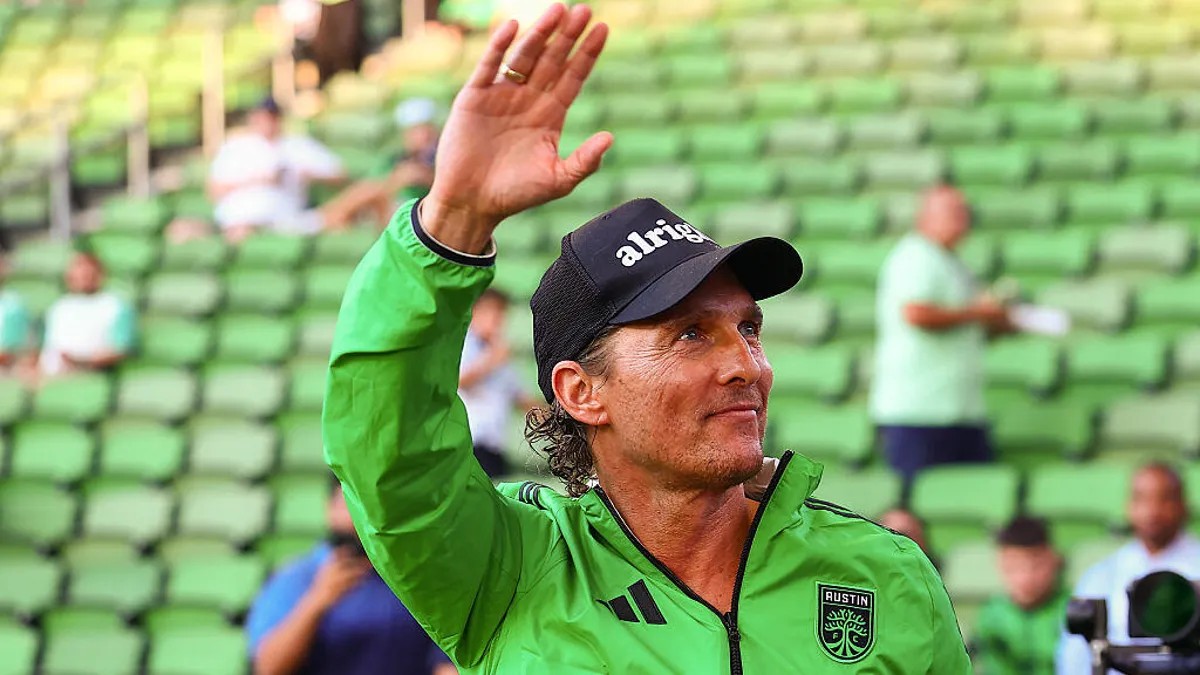
McConaughey, who is an investor in ElevenLabs, plans to use his AI voice to create Spanish audio versions of his newsletter, Lyrics of Livin. He sees this as a way to expand his reach and encourages further development of AI audio tools.
How It Works: Controlled Access
Unlike open-source AI tools, ElevenLabs’ marketplace requires explicit permission. Businesses can request access to a specific voice, but the rights holder (the celebrity or their estate) must approve the use. This system aims to prevent unauthorized deepfakes and misuse by retaining control over how these AI voices are deployed.
This is a key distinction from platforms like Meta AI, which offer celebrity voices within chatbots, and OpenAI’s Sora, which focuses on video. ElevenLabs is positioning itself as a facilitator, connecting rights holders with potential licensees.
Why This Matters: Control in the Age of Generative AI
For celebrities and public figures, AI presents a double-edged sword. Their likenesses are valuable assets, but AI makes it easier than ever to replicate them without permission.
These partnerships are a way for stars to monetize their voices while attempting to regain control over their digital identities. However, the system isn’t foolproof. AI misuse remains a concern, and lawsuits against AI companies are escalating.
Legal Battles and Copyright Concerns
The entertainment industry is aggressively defending its intellectual property. Disney, Universal, and Warner Bros. are suing Midjourney, alleging copyright violations from AI-generated images of protected characters. Ziff Davis, CNET’s parent company, has also filed a lawsuit against OpenAI, citing copyright infringement in AI training data.
The legal landscape is shifting rapidly as AI tools advance. While celebrities can profit from licensing their voices, the broader issue of AI-generated content and copyright remains unresolved.
Ultimately, these moves by ElevenLabs and other companies demonstrate a pragmatic approach to AI. Rather than resisting the technology, celebrities are finding ways to adapt, profit, and maintain some degree of control over their digital identities.