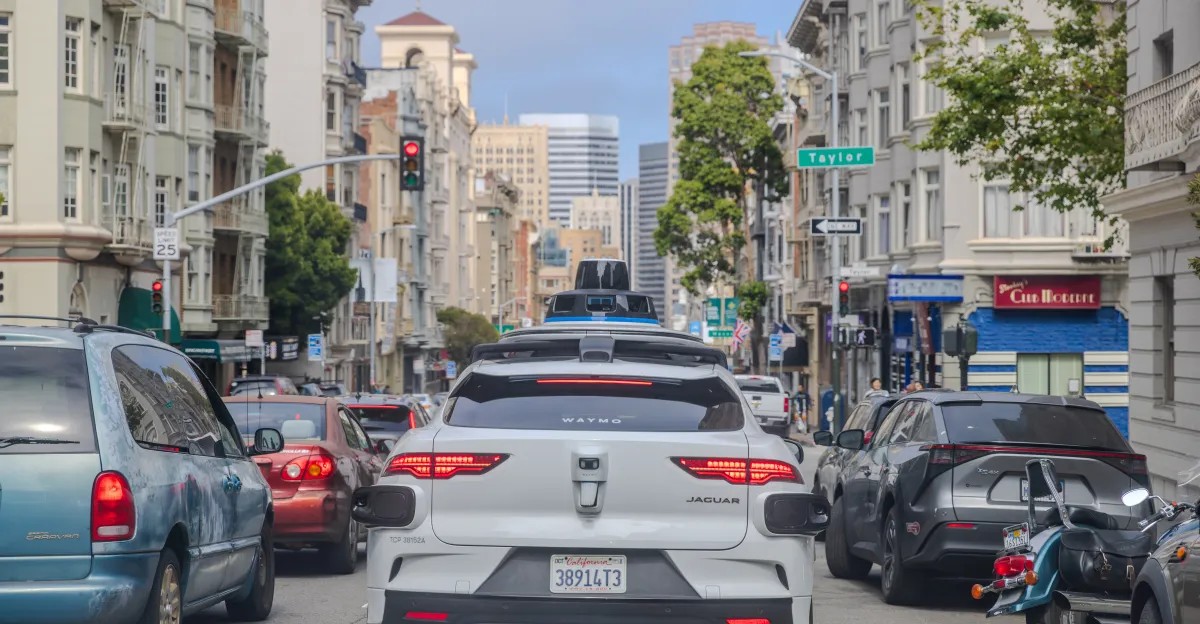
Driverless cars hold the promise of dramatically reducing the staggering death toll caused by human drivers in the United States. Yet, despite this potential safety benefit, experts are deeply divided on whether autonomous vehicles (AVs) will ultimately improve our transportation systems – or exacerbate existing problems.
The core issue isn’t just about making driving safer, but about how AVs might fundamentally change our cities, travel patterns, and quality of life. A recent meta-analysis of 26 studies from the University of Texas-Arlington confirms a troubling trend: widespread adoption of driverless cars is likely to increase total vehicle miles traveled (VMT) by nearly 6%. Even small percentage increases in VMT can quickly lead to traffic congestion, as just a handful of additional vehicles can overwhelm road capacity.
The Paradox of Convenience
The problem lies in the inherent appeal of AVs. By removing the friction of driving – insurance costs, fatigue, parking hassles – these vehicles could make car travel so cheap and convenient that people simply drive more. Historical trends confirm this: easier driving leads to greater reliance on personal vehicles. The US already stands out as a global outlier in road safety, with fatality rates 14 times higher than Germany despite having only four times the population.
The potential for AVs to save lives is undeniable. Studies of Waymo’s self-driving vehicles in major cities show an 85% reduction in serious injury crashes compared to human drivers. However, this progress could be offset by a surge in overall traffic, undermining the intended benefits.
The Urban Planning Dilemma
Some experts argue that the most effective way to reduce car fatalities, improve the environment, and create more livable communities is to simply reduce car dependence. Yet, driverless cars threaten to lock us into an even more car-dominated future unless carefully managed.
The solution isn’t to ban AVs outright, but to implement policies that mitigate their downsides. This includes congestion pricing, parking fees, road design that encourages slower speeds, and prioritizing pedestrian and cyclist safety. The challenge is persuading the public to accept these trade-offs, particularly given the unprecedented convenience AVs promise.
The current moment offers a critical opportunity to learn from past mistakes. The early 20th century saw the unbridled expansion of automobile infrastructure with little consideration for its long-term consequences. We must avoid repeating this error by proactively shaping transportation policy to ensure that the life-saving potential of AVs complements, rather than undermines, efforts to reduce car dependence overall.
Failing to do so risks entrenching American car culture even further, potentially trapping us in a future of endless traffic and unsustainable urban sprawl. The stakes are high, and the time to act is now.