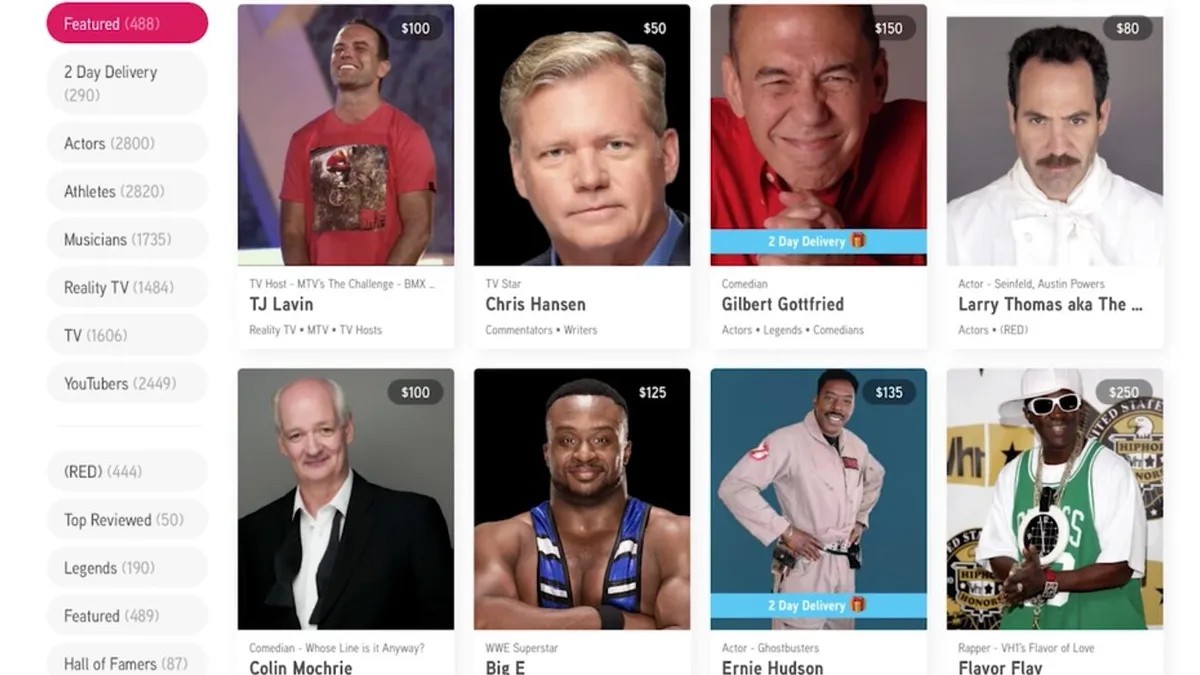
Cameo, the platform for personalized celebrity videos, has filed a lawsuit against OpenAI over a new feature within its AI video generator, Sora 2. The feature, also called “Cameos,” allows users to insert themselves or others into videos alongside celebrities and historical figures, including OpenAI CEO Sam Altman.
Trademark Dispute at the Core
The lawsuit centers on claims of trademark infringement, trademark dilution, and unfair competition. Cameo argues that OpenAI’s use of the name “Cameos” will confuse consumers, leading them to believe the AI-generated videos are affiliated with or endorsed by the Cameo platform. The company stated it attempted to resolve the issue privately before filing suit, but OpenAI refused to discontinue using the name.
“To protect fans, talent, and the integrity of our marketplace, we unfortunately had no other option but to bring this lawsuit.” – Steven Galanis, Cameo CEO and co-founder.
OpenAI’s Response and Broader Context
OpenAI maintains that no single entity can exclusively own the word “cameo.” However, the legal action highlights a growing tension between AI companies and established brands over intellectual property. This case underscores the challenges of protecting trademarks in the age of generative AI, where brand names can be easily replicated in synthetic content.
Existing Legal Conflicts
This dispute is part of a larger pattern of legal action against OpenAI. CNET’s parent company, Ziff Davis, also filed a copyright infringement lawsuit against OpenAI earlier this year, alleging the AI was trained on copyrighted material without permission.
The outcome of this lawsuit could set a precedent for how AI companies navigate trademark law and could significantly impact the future of branded content in AI-generated media.