The Walt Disney Company and OpenAI have announced a strategic collaboration, with Disney investing $1 billion into the AI innovator. This deal marks the first time a major entertainment studio has officially licensed its intellectual property for large-scale use in generative AI video tools, specifically OpenAI’s Sora platform.
Licensing Key Characters for AI Creation
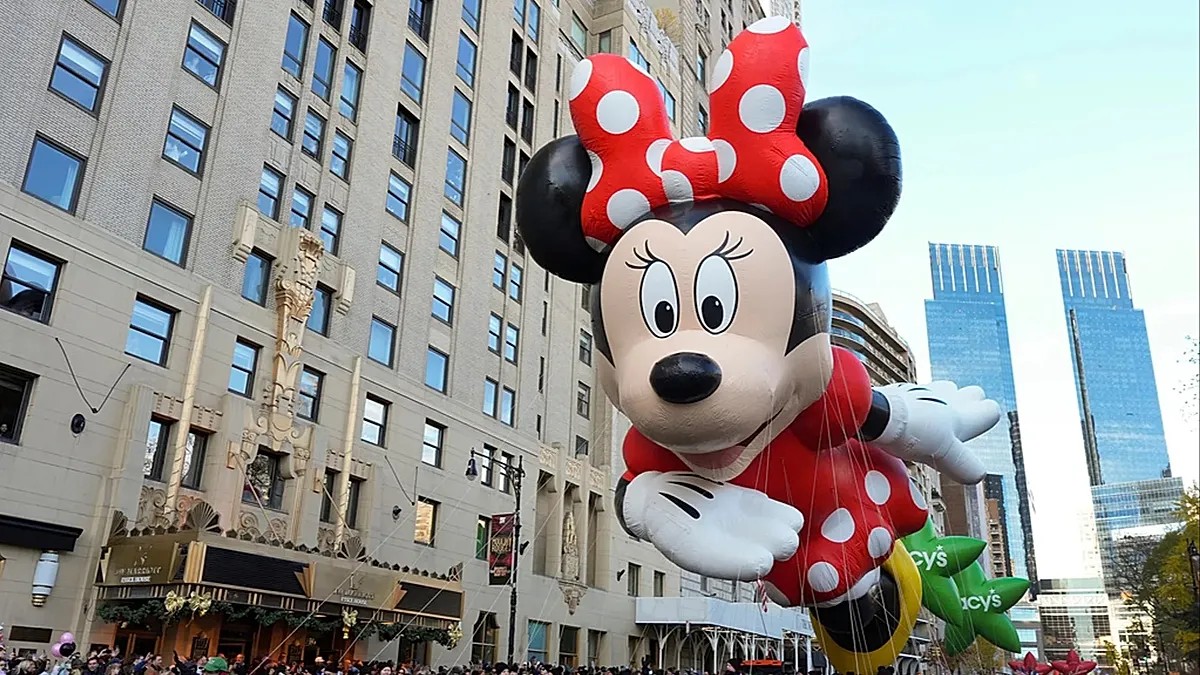
The three-year licensing agreement will allow Sora users to create short-form videos featuring over 200 characters from Disney, Marvel, Pixar, and Star Wars. The selection includes iconic figures like Mickey and Minnie Mouse, Lilo and Stitch, Ariel, and even animated versions of live-action heroes such as Black Panther, Captain America, and Yoda.
The arrangement specifically excludes likenesses and voices of real-life talent, sidestepping potential legal disputes over deepfakes or unauthorized use. This is a critical distinction, as generative AI has faced significant backlash from actors and voice performers concerned about the replacement of human labor.
Why This Matters: A New Era for Intellectual Property
This deal is significant because it establishes a precedent for how entertainment companies will navigate the rise of AI. For years, generative AI has operated in a legal gray area, often scraping copyrighted material without permission. Disney’s move legitimizes the practice by formalizing a revenue-sharing model.
The agreement also indicates a shift in how audiences will interact with media. Instead of passively consuming content, fans will soon be able to generate their own Disney-themed videos using AI prompts, potentially leading to unprecedented levels of engagement.
Industry Response and Future Implications
Disney CEO Robert Iger hailed the partnership as a way to “put imagination and creativity directly into the hands of Disney fans.” OpenAI CEO Sam Altman echoed this sentiment, emphasizing the deal as an example of how AI and creative companies can “work together responsibly.”
However, the agreement may raise concerns among performers and artists who fear job displacement. Studios may now be able to create entire scenes without human actors or illustrators, potentially reshaping the entertainment industry.
The first Disney-licensed AI-generated content is expected to be available in early 2026, pending final approvals. This timeline suggests a rapid acceleration in the integration of AI into mainstream entertainment production.
This partnership is not just a business deal: it’s a clear signal that the entertainment industry is preparing for a future where AI-generated content becomes the norm, and intellectual property is licensed rather than fought over.