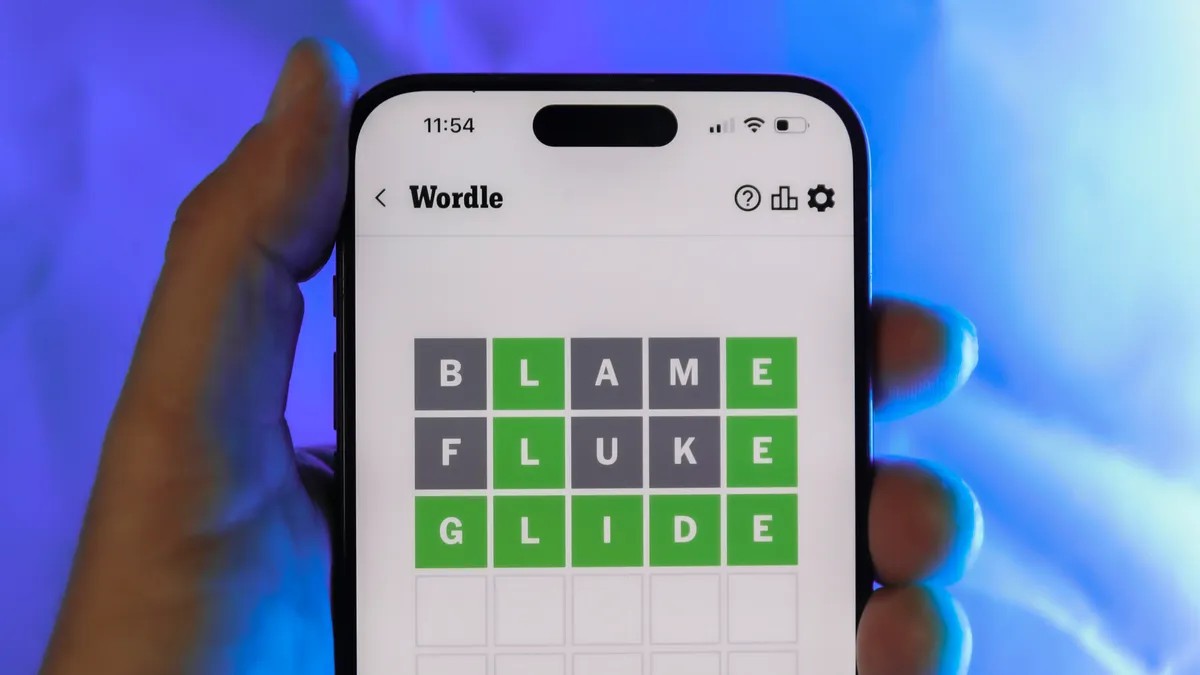
If you are struggling with today’s New York Times Wordle, you aren’t alone. Today’s puzzle is notably difficult due to its specific letter composition, which can often trip up players accustomed to more common vowel-heavy patterns.
💡 Hints for Today’s Puzzle
If you want to solve the puzzle on your own, stop reading here. If you need a little nudge to get moving, use these progressive hints:
- Letter Repetition: There are no repeating letters in today’s word.
- Vowel Count: The word contains exactly two vowels.
- Starting Letter: The word begins with the letter P.
- Ending Letter: The word ends with the letter E.
- Definition: The term refers to a person who is easily shocked or offended, particularly regarding matters of a sexual nature.
✅ Today’s Wordle Answer
The answer for April 11 (No. 1757) is:
PRUDE
🔍 Strategy and Tips for Success
Wordle success often comes down to mathematical probability rather than just vocabulary. To improve your win rate, consider the following strategies:
Choosing the Right Starting Word
The most effective way to narrow down possibilities is to use words that contain high-frequency letters. In the English language, letters like E, A, and R appear much more often than “high-value” but rare letters like Z, J, or Q.
Some of the most statistically effective starting words include:
– ADIEU (excellent for quickly identifying vowels)
– TRAIN
– CLOSE
– STARE
– NOISE
Why Certain Words Are Harder
As seen with today’s answer, “PRUDE,” the difficulty often lies in the placement of consonants and the lack of common letter combinations. When a word uses less frequent patterns, players often find themselves stuck in “trap” scenarios where they have multiple potential endings but not enough information to distinguish between them.
📅 Recent Wordle History
To see how the difficulty has fluctuated recently, here is a look at the past few answers:
– April 10: CAROM
– April 9: LADEN
– April 8: INLET
– April 7: DENSE
– April 6: SWORN
Summary: Today’s puzzle required navigating a specific consonant structure; using high-frequency starter words remains the best way to manage these linguistic hurdles.