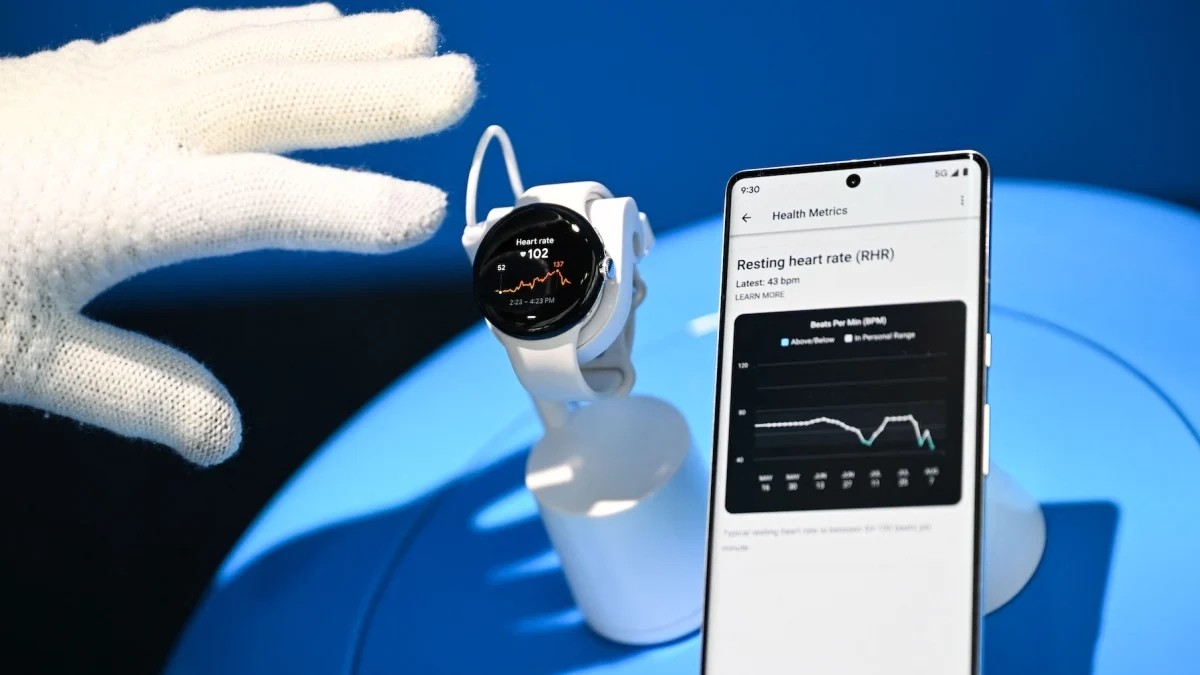
Google is pushing deeper into personal health data with its Fitbit integration, now offering AI-driven coaching features powered by its Gemini model (branded as “Coach” within the Fitbit app). The move comes as Fitbit phases out standalone accounts, requiring all users to migrate to Google accounts by May 2026 – a shift that has already frustrated long-time Fitbit customers.
The Shift to AI-Driven Health Coaching
The core of the change is the introduction of AI-powered health advice, which Google claims will become “safer, more relevant, and more personalized” when users share their medical histories. The company assures users they retain control over their data, stating explicitly that medical records won’t be used for advertising. However, this assurance is complicated by the fact that health data requests are routed through third-party platforms like b.well Connected Health and Clear, raising questions about data security and privacy.
Third-Party Data Handling
- b.well Connected Health aggregates medical records from various providers, potentially centralizing sensitive information in a single AI platform.
- Clear, a security platform known for identity verification at airports, is another partner, allowing users to access medical records via ID and selfie verification.
This reliance on third-party services adds layers of complexity and potential risk to the handling of personal medical data. While Google asserts user control, the practical reality involves sharing sensitive information with external entities that have their own data policies and security protocols.
Fitbit’s Evolution Under Google
Fitbit was acquired by Google in 2019 for $2.1 billion, and the brand has since undergone significant changes. The original Fitbit founders left Google in 2024, shortly before the company discontinued its own wearable devices, pushing users towards the Google Pixel Watch and Fitbit Charge trackers instead. The Fitbit app now aggressively promotes Premium subscriptions at $8/month, further embedding users within Google’s ecosystem.
The forced migration to Google accounts and the integration of AI-driven coaching represent a clear shift in strategy: Google is prioritizing data consolidation and AI-powered personalization over user preference. This move raises concerns about the long-term implications of entrusting personal medical information to a tech giant with a history of data monetization.
Ultimately, Google’s integration of AI into Fitbit is less about improving fitness tracking and more about expanding its control over user health data – a trend that demands careful consideration from users concerned about privacy and security.