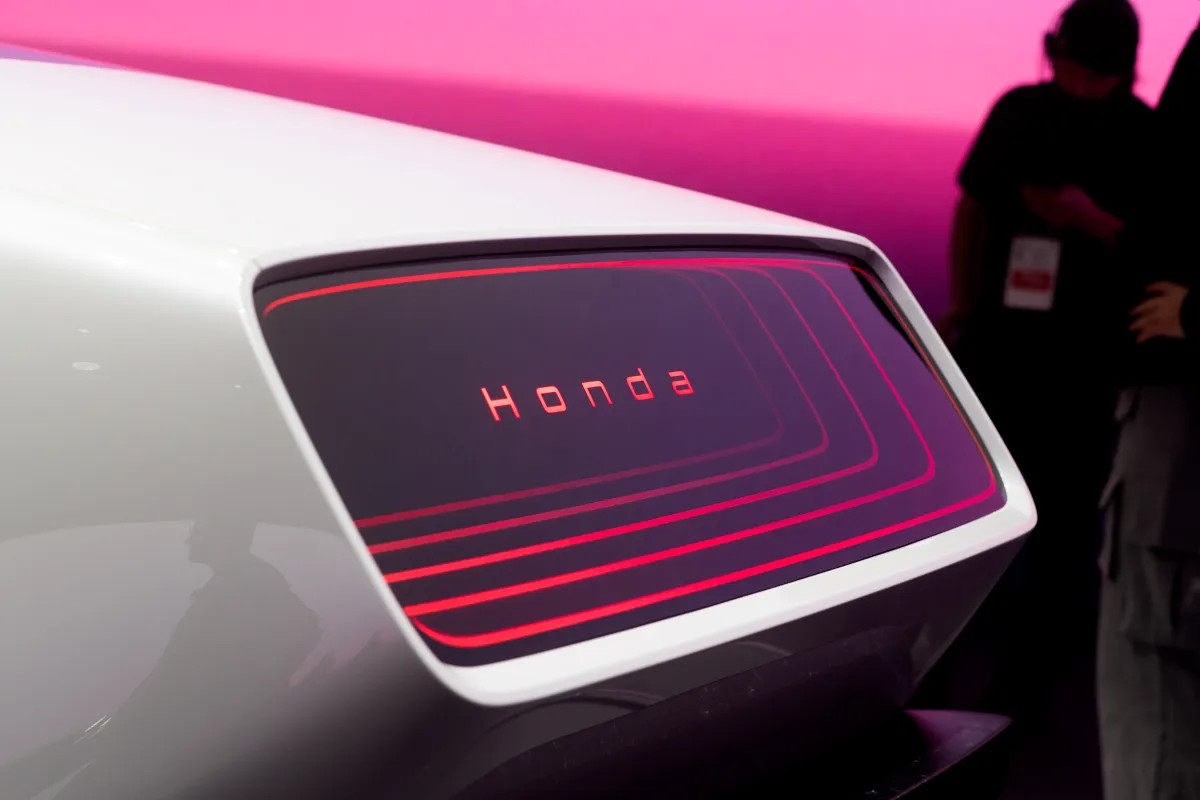
Honda has effectively halted its electric vehicle (EV) development, a move that signals a retreat from a critical industry shift and raises serious questions about its long-term viability in the rapidly evolving automotive landscape. This decision, while understandable given the current challenges facing legacy automakers – including shrinking incentives and aggressive competition from Chinese manufacturers – represents a significant risk for the company.
The Immediate Pullback
This week, Honda scrapped planned EV models, including the Acura RDX and Honda 0 series, projects that were already behind schedule with limited public visibility. Production of the Prologue, a GM-designed EV, will also cease. The company cites U.S. tariffs and Chinese competition as key factors, but the underlying problem is a lack of a coherent EV strategy from the outset.
Why This Matters: Beyond Short-Term Costs
The decision is not merely about pausing EV production; it’s about missing two pivotal trends reshaping the auto industry: electric drivetrains and software-defined vehicles (SDVs). By delaying EV development, Honda risks falling further behind competitors already deeply invested in these technologies.
- EVs are not simply ICE cars with different engines. Attempting to retrofit existing platforms with batteries is a flawed approach, leading to heavier, less efficient, and more expensive vehicles. Companies like Ford have already learned this lesson, with the Mustang Mach-E suffering from legacy engineering constraints (e.g., a 70-pound heavier wiring harness than Tesla’s).
- The EV transition is a learning process. Honda will miss out on crucial development experience, supplier relationships, and real-world customer feedback. This is a costly oversight, as iterative improvements are essential in the fast-paced EV market.
The Software-Defined Vehicle Future
The second missed opportunity is the rise of the SDV. Consumers now expect frequent over-the-air updates, advanced driver assistance systems, and seamless infotainment – features that Honda has yet to deliver. While SDVs don’t require EVs, the large batteries in EVs make them ideal for powering the necessary computing infrastructure. Honda’s reluctance to invest in this area suggests a preference for maintaining the status quo over embracing innovation.
Honda’s Identity Crisis
At its core, Honda is an internal combustion engine (ICE) company. While known for reliability, efficiency, and driver-focused cars, these attributes are becoming less relevant as the industry shifts. The definition of a “driver’s car” is fading in the age of autonomous vehicles, and EVs promise superior reliability at lower prices – areas where Honda must compete to remain relevant.
Honda’s long-term survival depends on adapting to the inevitable shift toward electric and software-defined vehicles. By backing away from EVs now, it risks becoming obsolete in the future automotive landscape.
The company’s retreat is a clear signal that it’s prioritizing short-term profitability over long-term innovation, a gamble that could prove fatal in a rapidly changing market.