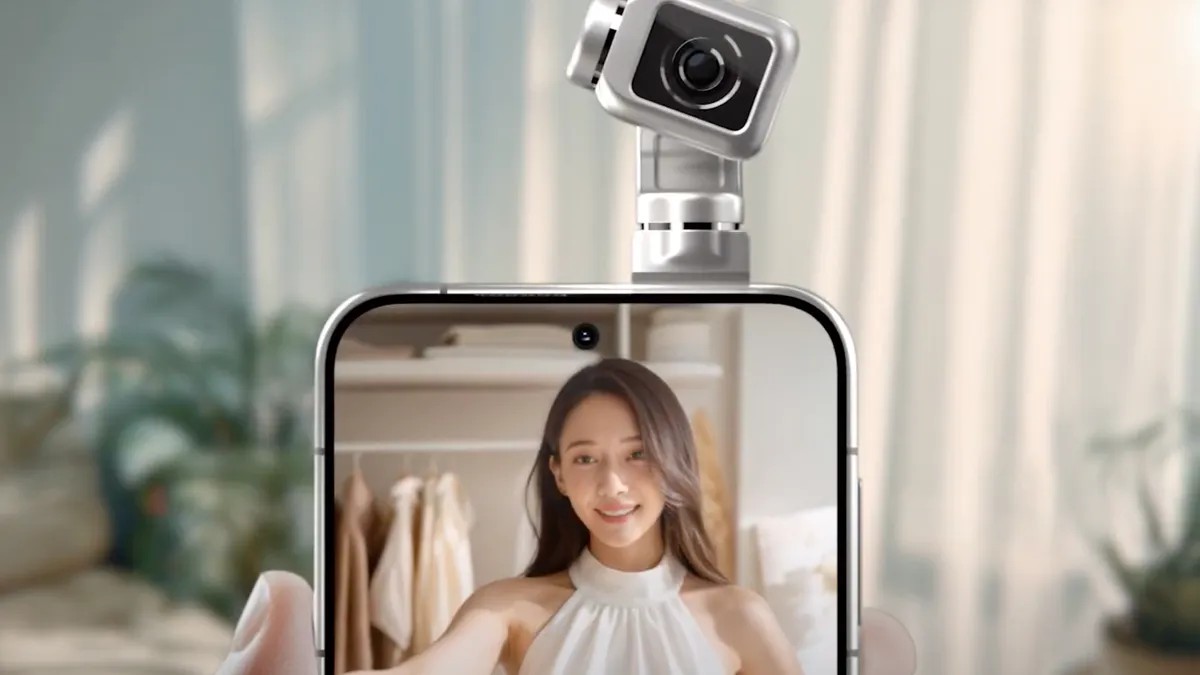
Chinese tech firm Honor has unveiled a concept for a groundbreaking smartphone featuring a robotic, self-aware camera. The device, teased in a recent video, suggests a radical departure from traditional phone design and a leap toward emotionally intelligent, physically responsive technology.
The Concept: More Than Just a Camera
The “Robot Phone” isn’t just about better selfies. The design includes a pop-up camera mounted on a gimbal-like robotic arm, capable of movement and, according to Honor, even emotional awareness. The promotional video showcases the camera “nodding” in approval at clothing choices and playing peekaboo—demonstrating an intent to create devices that adapt to their users beyond simple functionality.
This approach represents a significant shift. Current smartphones are evolving into AI-powered assistants, but Honor is aiming for a device that physically interacts with its environment, responding to people and situations in real-time. The company’s press release highlights its goal: to develop “emotional companions that sense, adapt, and grow with their users.”
Beyond the Hype: Engineering Challenges Ahead
While the concept is intriguing, practical implementation remains uncertain. The video itself is AI-generated, raising questions about how closely the final product will resemble the vision. Delivering on this level of robotics within a smartphone form factor presents significant engineering hurdles.
Honor is already pushing AI boundaries with its Magic 8 series, billed as “the first self-evolving AI smartphone.” This flagship device features a dedicated AI button that activates Honor’s YOYO AI agent, capable of handling over 3,000 tasks – from deleting unwanted photos to summarizing financial reports.
What This Means for the Future
The Robot Phone concept signals a growing trend toward more immersive and emotionally aware AI devices. Whether Honor can overcome the technical challenges remains to be seen. The company plans to showcase more tangible progress at MWC in Barcelona, where the viability of this ambitious project will be put to the test.
This development highlights a key shift in smartphone innovation: moving beyond simple processing power toward creating devices that understand, react, and evolve alongside their users. If successful, it could reshape how we interact with technology entirely.