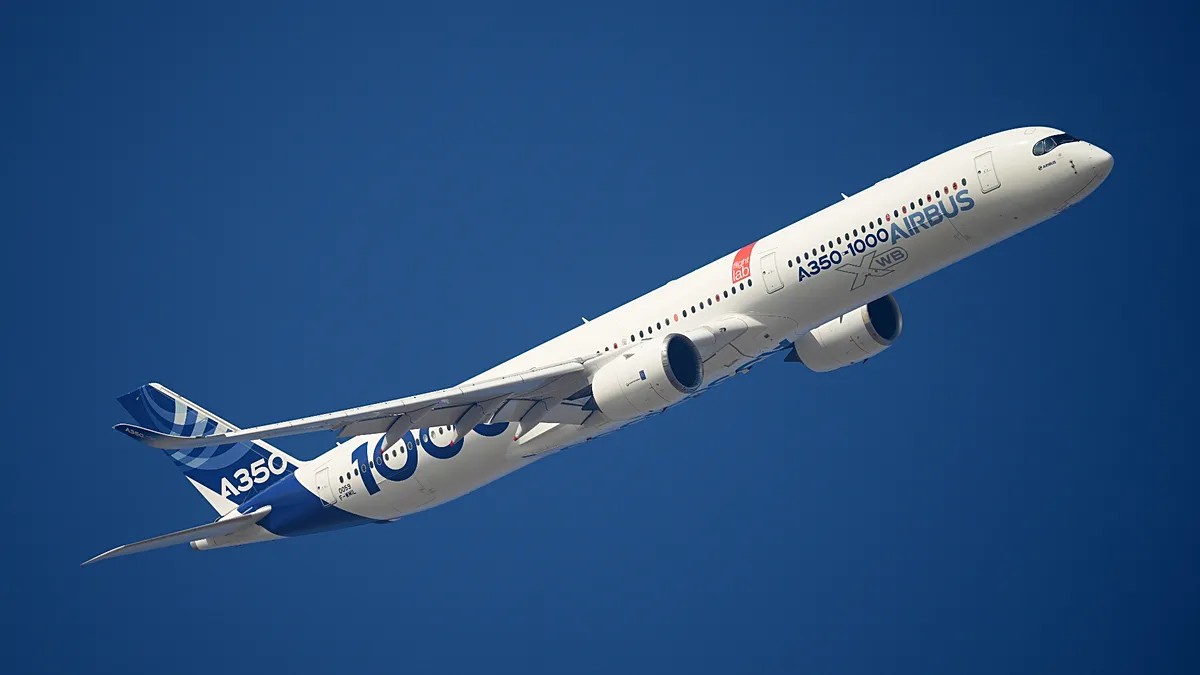
Airbus and BMW just signed deals. Both with the same company: France’s Mistral AI.
It is a signal.
This partnership paves the way for the delivery of high-impact, high-trust AI.
That was Airbus digital chief Catherine Jestin speaking. She means serious business. Not the fluff you see in Silicon Valley brochures. She wants secure, trusted models. For planes. For missiles. For satellites.
Mistral gives them the stack. The research teams too. Airbus gets a hand in how Mistral builds its roadmap. That is unusual access for a vendor-client relationship. It feels more like a joint venture in spirit.
Where do they start? Inside the metal.
- Edge AI running directly on hardware. No cloud dependency.
- Automatic object recognition. Safety first.
- Automated technical documents. Because no one wants to read manuals written by AI, but the machines writing them? Useful.
- Cyber investigations. Coding support in locked rooms.
Secure environments demand secure brains. Mistral understands that. It was born in Paris. 2023. Built on open-weight models. The promise? Data sovereignty. No US laws reaching across the Atlantic to pull your secrets back to server farms in California. That fear is real among European institutions now. Data leakage isn’t just a glitch. It’s a geopolitical risk.
Arthur Mensch, Mistral’s CEO, told CNBC they might even build their own chips soon. Why? Control. If you rent the hardware from Nvidia or Intel, they own part of the truth. Mistral wants to own the infrastructure.
We need to control more of our stack to compete.
Easy to say. Hard to do against OpenAI or Anthropic. But try they will.
Cars Hit Different
BMW joined the club the same day.
Same partner. Different mission.
While Airbus worries about spies and space, BMW worries about crushing steel.
- Crash simulations.
- Vehicle development speed.
They run thousands of virtual crashes every week. That creates noise. Lots of it. One petabyte of historical data sits in their servers. Dusting it off isn’t easy. But feeding it to a model? That might be magic.
Imagine predicting how a chassis bends before you weld the first piece of aluminum. Not just guessing. Knowing.
Speed is the currency here. Engineering cycles are slow. AI-driven simulations can shave weeks off a project. Maybe months.
Why the rush?
- Production lines don’t stop for bureaucracy.
- US dominance in industrial software is creeping in.
European manufacturers are waking up. They see the gap. They want their own tools for their own design problems. Not a one-size-fits-all model trained on general web data.
Specialized. Secure. Local.
The world watches. Will Europe build its own tech moat? Or will they just lease the future?
Only time will tell. And the code will be written while we wait.