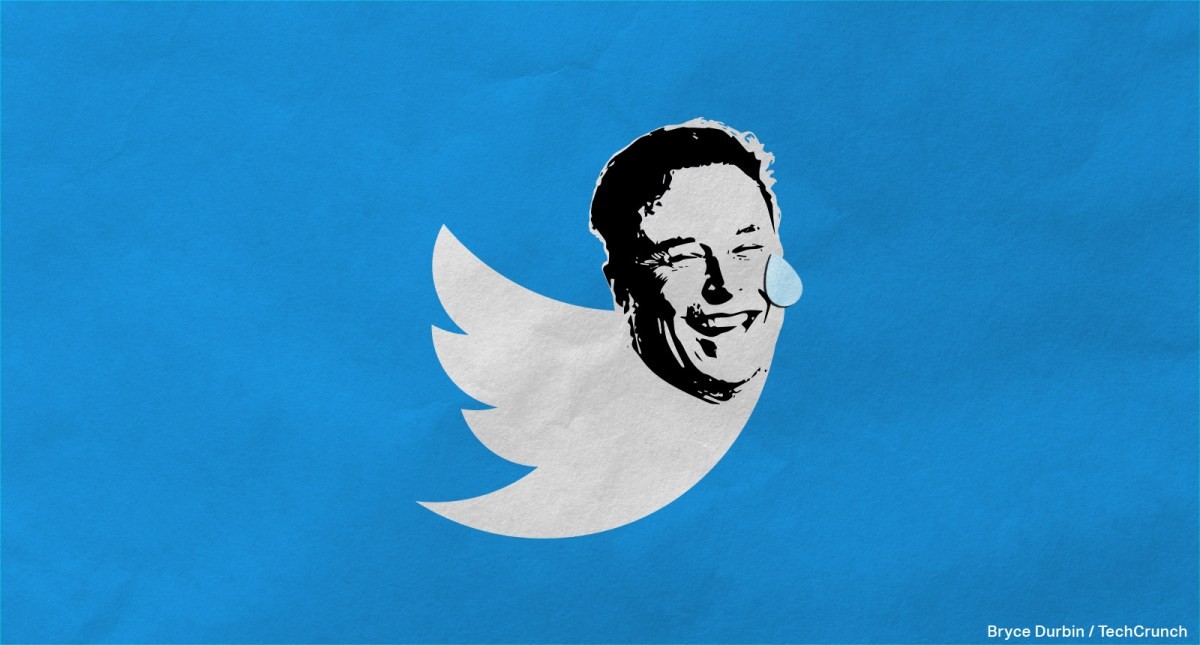
Elon Musk intentionally misled investors when attempting to cancel his $44 billion acquisition of Twitter (now X) in 2022, a California jury ruled Friday. The verdict centers on Musk’s claims that Twitter had an excessive number of bot accounts, a justification he used to try and back out of the deal.
The Bot Controversy and Stock Decline
On May 13, 2022, Musk tweeted that the Twitter deal was “temporarily on hold” pending verification of spam/bot accounts representing less than 5% of users. This single tweet triggered an 8% drop in Twitter’s share price. Investor Giuseppe Pampena filed suit on behalf of shareholders who sold their shares between May 13 and October 4, when the acquisition was finalized.
The lawsuit argued that Musk deliberately amplified concerns about Twitter’s bot problem to artificially suppress the stock price, causing losses for those who sold during that period. Musk’s defense claimed he genuinely worried about bot prevalence. However, the jury sided with the plaintiffs.
Potential Damages and Musk’s Financial Position
The financial implications remain unclear, but Pampena’s legal team estimates damages could exceed $2.6 billion. While substantial, this sum represents a minor fraction of Musk’s estimated $660 billion net worth. Nevertheless, the ruling confirms a pattern of legal repercussions stemming from Musk’s public statements.
Recurring Legal Battles Over Tweets
This isn’t Musk’s first encounter with lawsuits tied to his social media activity. In 2018, he tweeted that he had “funding secured” to take Tesla private at $420 per share, an assertion that drew scrutiny from the Securities and Exchange Commission (SEC). The SEC charged Musk with securities fraud, alleging the tweet was misleading. Musk later testified in court, denying the claim that the $420 price was a deliberate reference to cannabis culture.
While Musk previously prevailed in a shareholder lawsuit over the Tesla tweet, this latest ruling signals a growing liability for his public statements. The verdict reinforces that even casual social media posts from high-profile figures can have significant legal and financial consequences.
The jury’s decision highlights the importance of transparency and accountability in corporate communications, even on platforms like X where rapid, unfiltered statements are common. The case serves as a reminder that public figures must be careful about claims that influence financial markets.