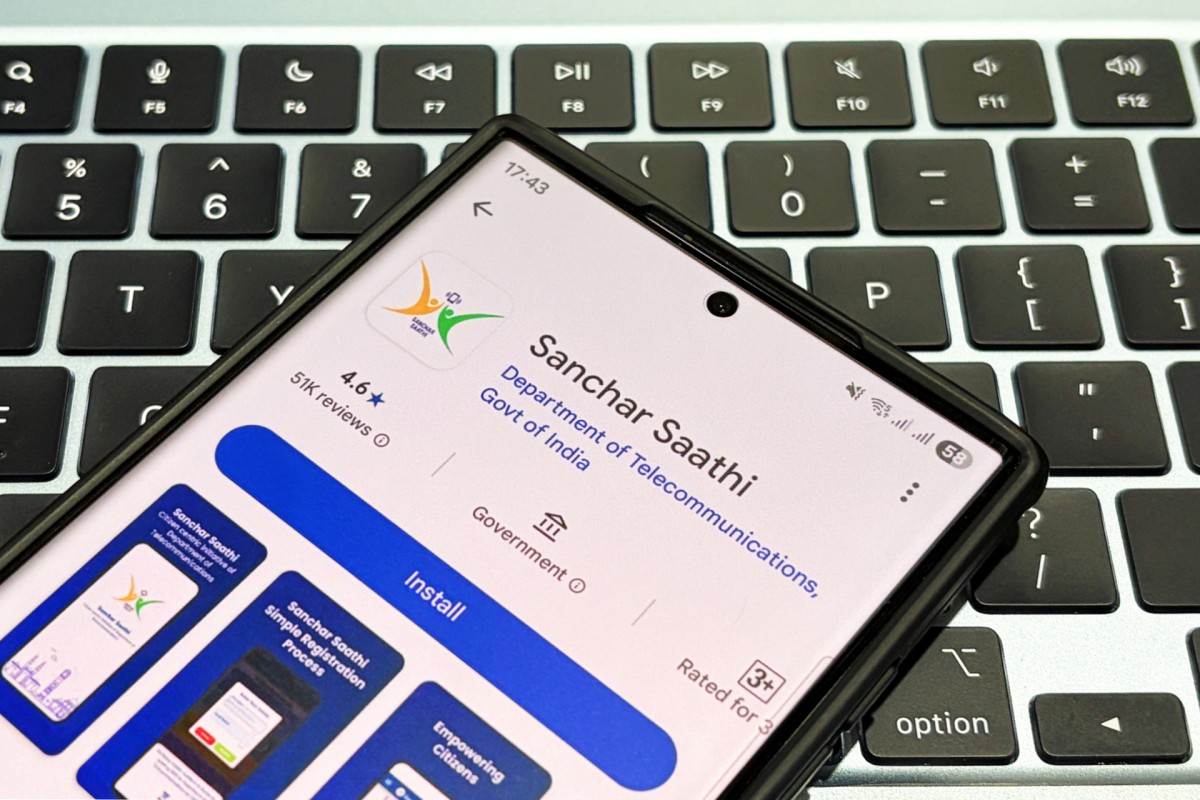
The Indian government is expanding its efforts to combat smartphone theft and fraud by requiring verification and recording of every mobile device in circulation – both new and used. This initiative, centered around the Sanchar Saathi app, raises significant privacy questions as it moves toward a nationwide database of smartphones.
Expanding Surveillance Capabilities
Originally launched in 2023 to help track stolen devices, the Sanchar Saathi portal has already blocked over 4.2 million phones. The government now mandates pre-installation of the Sanchar Saathi app on all new smartphones, pushing updates to existing devices, and requiring secondary markets to verify devices through a central IMEI database.
The scale of the program is notable: the app has been downloaded nearly 15 million times with over 3 million monthly active users. Web traffic has surged by 49% year-over-year, according to Sensor Tower data.
Backlash and Government Response
The move has triggered criticism from privacy advocates, who argue that it expands state surveillance without sufficient safeguards. The government defends the initiative as a necessary response to rising cybercrime, including device cloning, fraud in the second-hand market, and identity theft.
Telecom Minister Jyotiraditya M. Scindia insists the app is “voluntary,” though the directive instructs manufacturers to ensure its visibility and accessibility upon first use. Critics question how optional the app truly is in practice. Apple notably did not participate in the government’s working group on the initiative.
API Pilot and Nationwide Tracking
The telecom ministry is also piloting an API that would allow recommerce platforms to upload customer identities and device details directly to the government. This step would create a comprehensive record of smartphones in circulation, though much of the informal used-device market remains outside the scope of current measures.
India’s second-hand smartphone market is expanding rapidly, becoming the world’s third-largest in 2024. However, 85% of this sector operates informally, meaning many transactions occur outside formal channels.
Privacy Implications and Concerns
Digital rights groups express concern over the lack of transparency regarding data storage, access controls, and safeguards. The sheer scale of India’s smartphone base – estimated at 700 million devices – means even administrative changes could have significant consequences.
“You’re essentially looking at the potential for every single device being ‘databased’ in some form,” says Prateek Waghre of Tech Global Institute. “And then what uses their database can be put to it at a later date, we don’t know.”
Meghna Bal of Esya Centre argues that mandating a government-controlled application risks stifling innovation, particularly from private sector companies. She stresses the need for independent audits, strong data governance, and transparent accountability measures.
The Indian telecom ministry has not yet responded to requests for comment. Experts note that the full extent of data collection, sharing, and system reach may be buried in terms and conditions that most users do not read.
The government’s approach is disproportionate and heavy-handed, potentially sacrificing user privacy for the sake of security. The long-term consequences of this system remain uncertain, but the potential for misuse is real.
The expansion of Sanchar Saathi is a clear signal that India is prioritizing centralized smartphone tracking, even at the cost of privacy. The full implications of this move will unfold as the system expands and data governance remains unclear.