


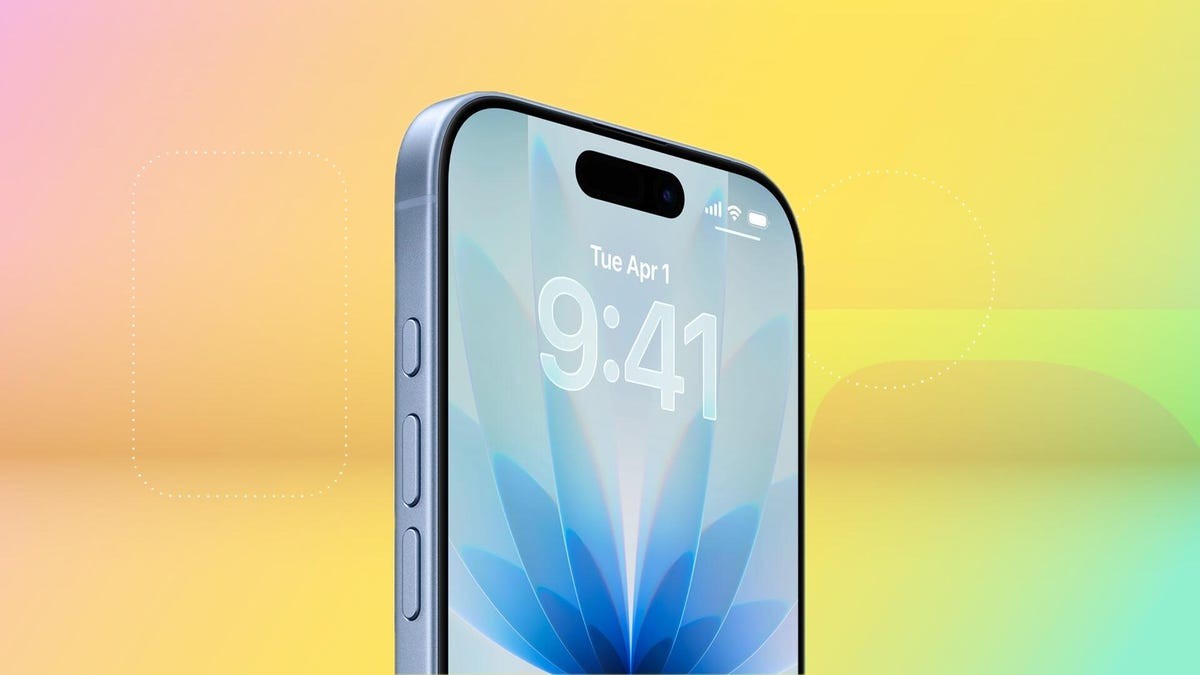
Apple’s new iPhone 17 is generating buzz, with preorders surpassing last year’s numbers. But for those considering an upgrade, the question remains: is it a worthwhile investment? This article breaks down the key differences between the iPhone 17 and older models, providing a clear picture of what you gain (and what you don’t) by making the jump.
The Core Improvement: Storage and Display
The biggest immediate benefit of the iPhone 17 is its baseline 256GB of storage. For years, Apple stuck with a paltry 128GB entry-level option, forcing many users into more expensive tiers. This change alone makes the iPhone 17 a compelling upgrade for those running low on space.
Another major improvement is the 1-120Hz adaptive display, now standard across the entire iPhone 17 lineup. Older models, especially the base versions, often shipped with a basic 60Hz screen. The 120Hz refresh rate delivers smoother scrolling and supports Apple’s always-on display feature without requiring the premium price tag of a Pro model. The addition of an anti-reflective coating and boosted peak brightness (3,000 nits) further enhances usability in bright outdoor conditions.
Comparing the iPhone 17 to Previous Generations
Here’s a breakdown of how the iPhone 17 stacks up against its predecessors:
iPhone 17 vs. iPhone 16
The iPhone 17 builds upon the iPhone 16, offering incremental but noticeable improvements. The display jumps from 60Hz to 120Hz, enabling the always-on feature and smoother animations. The screen size also increases slightly to 6.3 inches, thanks to thinner bezels. Apple claims the Ceramic Shield 2 cover offers three times better scratch resistance, though a screen protector is still advisable.
The camera system receives a bump: the ultrawide lens upgrades from 12 megapixels to 48 megapixels, and the front-facing camera jumps to 18 megapixels. New software features like Center Stage (automatic selfie framing) and Dual Capture (simultaneous front/back recording) add versatility. However, these changes are not retroactive; older models won’t receive these updates.
Battery life sees a modest increase, with Apple citing up to 8 hours more video playback. The iPhone 17 also supports faster 40-watt charging, a step up from the iPhone 16’s 25 watts.
Verdict: The iPhone 17 is an improvement, but the differences are subtle enough that most iPhone 16 owners won’t need to upgrade immediately.
iPhone 17 vs. iPhone 15
The iPhone 15 and 16 share many similarities, making the jump to the iPhone 17 less dramatic. The key addition is Apple Intelligence, a suite of AI-powered features (writing tools, image editing, Live Translation) that debuted with the iPhone 17 Pro but now trickle down to the base model. The hardware improvements (display, camera) remain incremental.
Verdict: If you have an iPhone 15 and are eager to access Apple Intelligence, the iPhone 17 is worth considering. Otherwise, holding onto your current device for another year is perfectly reasonable.
iPhone 17 vs. iPhone 14 and Older
The differences become more significant as you move further back in Apple’s lineup. The iPhone 14 still relies on the outdated Lightning port, while the iPhone 17 boasts USB-C for universal compatibility. Features like Dynamic Island, crash detection, and satellite connectivity are absent from older models.
The iPhone 13 and earlier lack the iPhone 17’s upgraded camera system, Apple Intelligence, and longer battery life. For iPhone 12 or older users, upgrading is a far more compelling proposition. The move to USB-C alone justifies the upgrade for many.
The Bottom Line
The iPhone 17 is a solid evolution of Apple’s smartphone lineup. The 256GB base storage and adaptive 120Hz display are standout improvements. However, if you own an iPhone 16, the upgrade is incremental. For iPhone 15 users, the inclusion of Apple Intelligence is the biggest draw. But for owners of iPhone 14 or older, the iPhone 17 represents a significant leap forward in features and performance.
Ultimately, the decision to upgrade depends on your needs and budget. While the iPhone 17 isn’t a revolutionary change, it delivers enough improvements to make it a worthwhile consideration for those with older devices.


