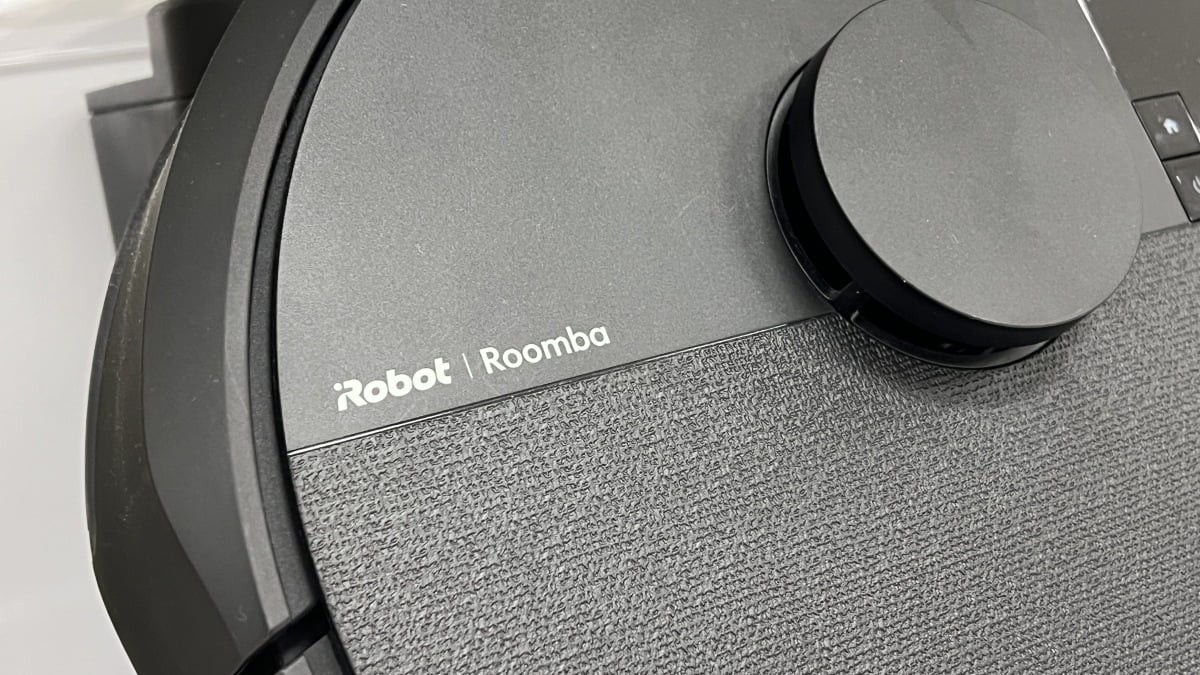
The maker of the popular Roomba robot vacuum, iRobot, has filed for bankruptcy after a failed acquisition by Amazon and mounting financial difficulties. The company is now being taken over by Picea, a China-based robotics manufacturer that was already iRobot’s primary contract manufacturer. Despite the dramatic shift, officials claim that consumers should not be concerned.
Why This Matters
The iRobot bankruptcy highlights a broader trend in consumer tech: even well-established brands can face rapid financial instability. The timing is particularly notable given the recent Black Friday sales, where many consumers purchased Roombas as deals or gifts. iRobot controls a dominant 42% of the U.S. robotic vacuum market, meaning a significant number of households rely on their products.
This situation raises questions about the long-term viability of consumer tech companies, supply chain vulnerabilities, and the reliability of products after a major corporate restructuring.
What iRobot Says
According to iRobot CEO Gary Cohen, the bankruptcy is “business as usual” for consumers. He assures that the Roomba app will continue to function, warranties will be honored, and firmware updates will still be released. The company maintains that Roombas will not suddenly stop working due to the financial restructuring.
“The app is working, the warranties are going to be honored,” Cohen stated to TechRadar. “Now that we have a path forward, the app will continue, the products will continue… We’ll have firmware updates on the products.”
The Transition with Picea
The takeover by Picea is described as smooth because the two companies already had an established working relationship. iRobot and Picea are reportedly collaborating on new products for the upcoming year, suggesting that the transition is intended to be seamless for consumers.
Conclusion
For now, Roomba owners have little reason to panic. Despite the bankruptcy, iRobot assures that existing products will continue to function with ongoing support. However, the long-term implications remain uncertain as the company navigates restructuring under new ownership.