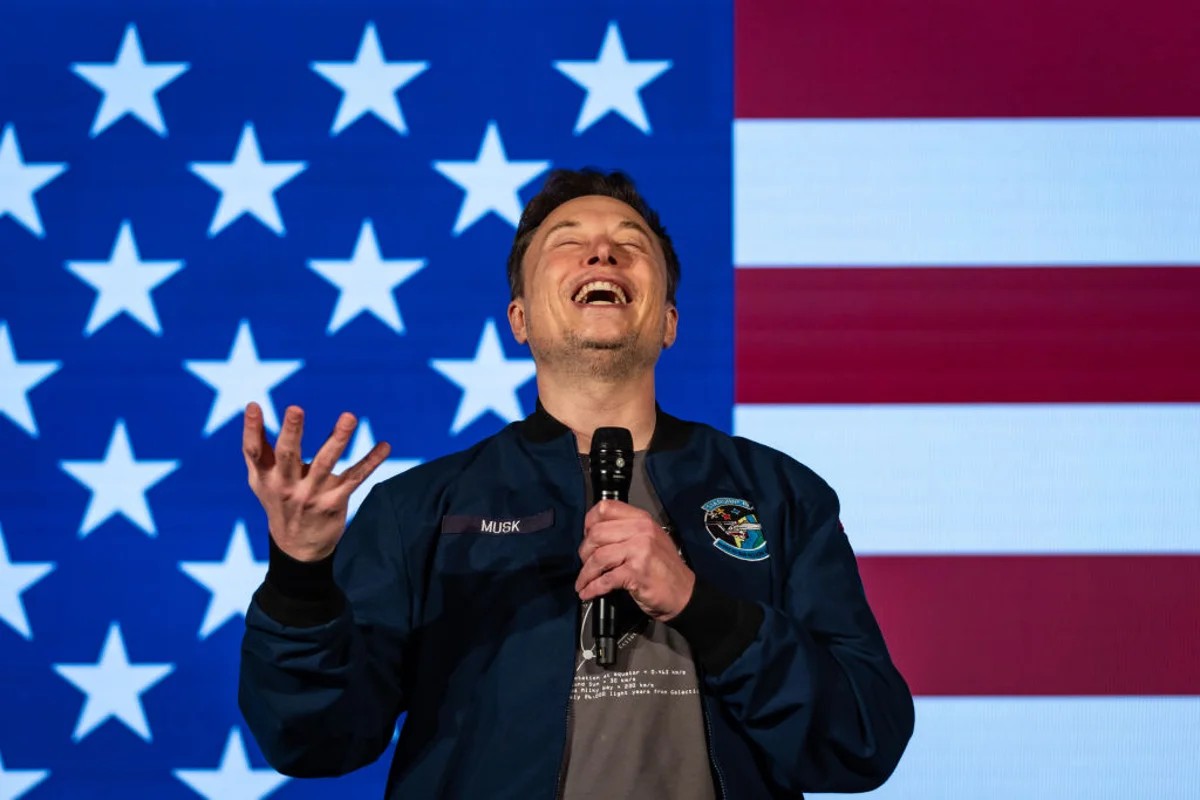
Elon Musk’s Tesla and SpaceX are joining forces in a $20 billion project, dubbed TeraFab, to construct the world’s largest computer chip manufacturing facility. This initiative isn’t just about faster cars or better robots; it represents a major push towards offloading AI processing into space, a concept gaining traction among tech leaders.
The Scale of TeraFab
The facility, to be built at Tesla’s Austin, Texas headquarters, will target a production rate 50 times higher than current global output of AI chips. These chips will serve two primary functions: powering Tesla’s expanding fleet of self-driving vehicles, robotaxis, and Optimus humanoid robots, and withstanding the extreme conditions necessary for space-based computing.
Why Space? The Economics of Orbit
Musk has repeatedly argued that space will become the most cost-effective location for AI data centers within two to three years. This is driven by several factors:
- Lower Costs: Operating in orbit eliminates land costs, reduces cooling requirements (space is naturally cooler), and avoids terrestrial power grid limitations.
- Higher Efficiency: Space-based facilities can leverage solar energy directly, reducing reliance on traditional power sources.
- Strategic Advantage: Decentralized orbital infrastructure can enhance data security and redundancy.
SpaceX has already filed plans with the FCC to establish satellite data centers, aligning with Musk’s vision. Nvidia and Amazon (via Blue Origin) are also exploring similar ventures, recognizing the long-term benefits of orbital computing.
An Aggressive Timeline
TeraFab aims for early chip production in 2025 and mass production by 2028 – a timeline faster than typical semiconductor facility development. This aggressive schedule underscores Musk’s ambition to dominate the next frontier of AI infrastructure before competitors can catch up.
Beyond Chips: The Larger Vision
Musk frames TeraFab as a step towards “understanding the universe and extending the light of consciousness to the stars.” This suggests a long-term strategy that goes beyond commercial applications, potentially aligning with his broader goals for space colonization and transhumanist aspirations.
The move to build a chip factory designed specifically for space-based operations is a key signal that Musk isn’t just building AI; he’s building the infrastructure for a future where AI operates beyond Earth’s limitations.