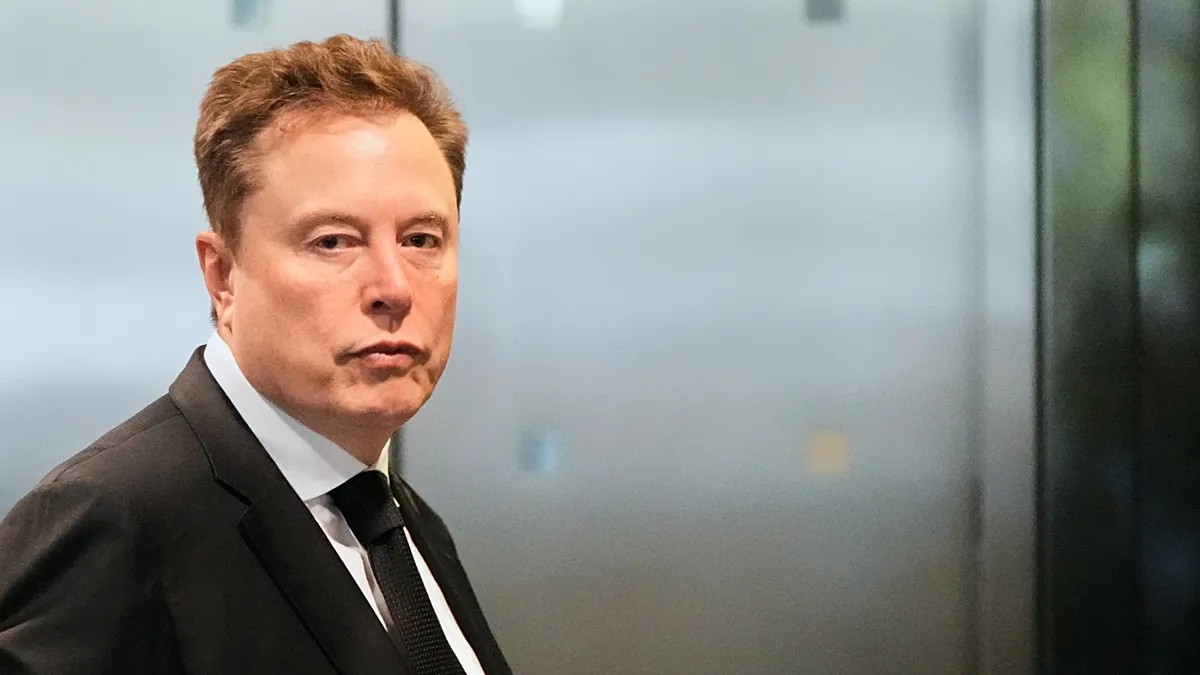
The high-stakes legal battle between Elon Musk and Sam Altman has moved from behind-the-scenes maneuvering into the courtroom spotlight. On Tuesday, Tesla CEO and OpenAI co-founder Elon Musk took the stand in Oakland, California, marking a pivotal moment in a trial that could redefine the governance and future trajectory of artificial intelligence.
The case, filed by Musk in 2024 against Altman, OpenAI co-founder Greg Brockman, and Microsoft, centers on a fundamental dispute: did OpenAI betray its original non-profit mission?
“Fundamentally, I think they’re going to try to make this lawsuit … very complicated, but it’s actually very simple,” Musk testified. “Which is that it’s not OK to steal a charity.”
The Core Conflict: Mission vs. Profit
At the heart of the lawsuit is the transformation of OpenAI from a pure non-profit entity into a hybrid organization with a capped-profit subsidiary. Musk’s legal team, led by Steven Molo, argues that Altman and Brockman, with significant support from Microsoft, hijacked a charity dedicated to the “safe, open development of artificial intelligence” and converted it into a vehicle for private gain.
Musk is seeking substantial damages and the removal of Altman from the OpenAI board. His attorney emphasized that while non-profits can have for-profit subsidiaries, those entities must strictly advance the parent organization’s mission. According to Molo, the original agreement capped investor profits to prevent financial motives from overriding safety and accessibility goals.
Musk’s Narrative: A Moral Imperative
In his testimony, Musk framed the founding of OpenAI not just as a business venture, but as a moral necessity. He recounted a pivotal conversation with Google co-founder Larry Page, who allegedly labeled Musk a “speciesist” for prioritizing human survival over the advancement of AI.
Musk described a landscape in 2015 where Google possessed “all the money, all the computers, and all the talent.” Fearing a monopoly on superintelligent AI by profit-driven tech giants, Musk and Altman formed an alliance to create a counterbalance. Their shared goal was to develop AI responsibly, ensuring it remained beneficial to humanity.
Key points from Musk’s testimony include:
* Urgency of AI: Musk believes AI will become “smarter than any human” as soon as next year.
* The Control Problem: He compared advanced AI to a “very smart child”—once it outgrows its creators, control is lost. Therefore, instilling values like honesty and integrity early on is critical.
* Personal Dedication: When questioned about his capacity to manage multiple ventures (Tesla, SpaceX, Neuralink, etc.), Musk stated he works 80–100 hours per week, takes no vacations, and owns no luxury properties.
OpenAI’s Counterargument: Sour Grapes?
OpenAI’s defense, presented by attorney William Savitt, paints a drastically different picture. They characterize Musk’s lawsuit as a retaliatory move stemming from his departure from the company in 2018 and his subsequent launch of a rival AI company, xAI, in 2023.
Savitt argued that:
1. No Permanent Non-Profit Promise: There is no documented record promising that OpenAI would remain a non-profit forever.
2. Musk’s True Motives: Savitt claimed Musk’s primary concern was never the non-profit status, but rather winning the “AI race” against Google.
3. Attempted Takeover: The defense alleges Musk used his funding leverage to bully founders, attempting to merge OpenAI with Tesla and secure majority ownership in a for-profit structure.
“We are here because Mr Musk didn’t get his way with OpenAI,” Savitt told the jury.
Why This Trial Matters
This legal battle is more than a personal feud; it is a referendum on how society should govern transformative technology.
- Precedent for AI Governance: If Musk wins, it could set a legal precedent that non-profit AI missions are legally binding and enforceable against corporate partners.
- The Role of Big Tech: The involvement of Microsoft highlights the tension between open scientific research and corporate commercialization.
- Future of AGI: As Artificial General Intelligence (AGI) approaches, the question of who controls it—and for whose benefit—becomes increasingly urgent.
What Happens Next?
The trial, presided over by Judge Yvonne Gonzalez Rogers, is expected to last two to three weeks. Musk is scheduled to continue his testimony on Wednesday. Following him, key figures including Sam Altman and Microsoft CEO Satya Nadella are expected to take the stand.
The outcome will not only determine the fate of OpenAI’s leadership but may also influence how future AI ventures are structured, funded, and regulated in the race for superintelligence.