


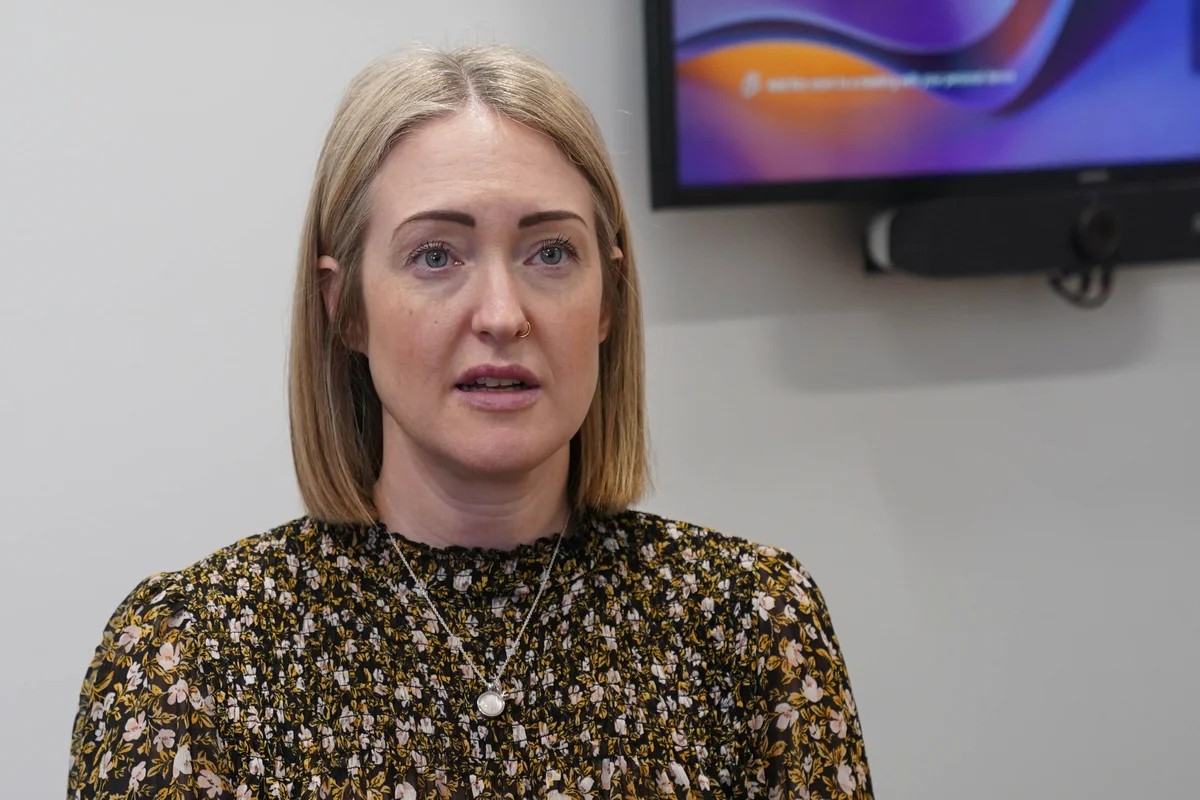
The mother of Brianna Ghey, a 16-year-old fatally stabbed in 2023, has publicly called on UK political leaders to ban under-16s from social media platforms. Esther Ghey’s plea comes amid rising debate over child safety in the digital age, and as lawmakers consider an amendment to the Children’s Wellbeing and Schools Bill that would enforce such a prohibition.
The Personal Toll of Online Harm
Ms. Ghey described her daughter’s “social media addiction” and the devastating consequences that followed. Brianna, she said, desperately sought online fame, leading to an eating disorder, self-harm, and exposure to dangerous content. Ms. Ghey argues that platforms amplify harm to vulnerable youth, stating no parent should live with the consequences of a system that fails to protect their child.
This isn’t simply a personal tragedy; it reflects a wider trend. Young people are increasingly exposed to harmful content, cyberbullying, and predatory behavior online, with some studies linking prolonged social media use to declining mental health. The question isn’t just if social media affects children, but how severely and whether current safeguards are enough.
Political Momentum and Diverging Solutions
The proposed amendment to the Children’s Wellbeing and Schools Bill has already attracted support from the National Education Union (NEU) and 61 Labour MPs, who are demanding urgent action. The NEU’s general secretary, Daniel Kebede, calls this moment “pivotal,” urging Labour leader Sir Keir Starmer to take a firm stance.
However, Starmer has so far avoided a direct commitment, stating only that the government is “looking at a range of options.” He revealed discussions with Australian Prime Minister Anthony Albanese, whose government implemented a similar ban last year. This suggests that a complete prohibition is being seriously considered, but faces resistance.
The Debate: Ban vs. Regulation
While some advocate for a total ban, 42 child protection charities and online safety groups warn that such a measure won’t solve the problem. They argue that a blanket prohibition addresses the symptoms, not the root causes of online harm. Instead, they propose strengthening the Online Safety Act to enforce age limits and hold platforms accountable for harmful content.
Baroness Hilary Cass, a leading pediatrician, suggests a different approach: “start on presumption of ban and only allow apps that have been developed safely.” She distrusts U.S. tech companies to self-regulate, citing their track record of inadequate safety measures.
The Liberal Democrats offer a middle ground, proposing film-style age ratings for social media platforms, with some content legally restricted to users over 16. This would allow older teens to access social media while protecting younger children from harmful material.
What’s Next?
The debate over social media regulation is far from settled. While the personal tragedy of Brianna Ghey has brought renewed urgency to the issue, the path forward remains unclear. Lawmakers must weigh the benefits of a complete ban against the risks of treating symptoms rather than causes. The ultimate decision will likely shape the digital landscape for a generation.


