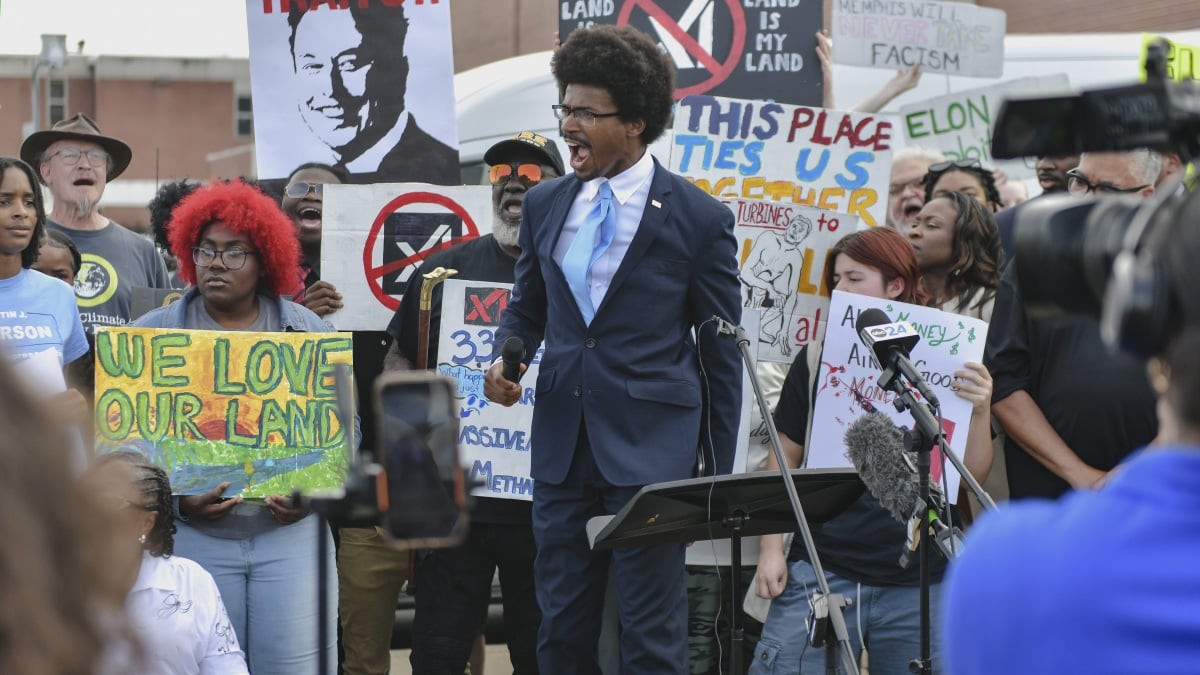
They’re calling it national security. The Justice Department, anyway. Late Monday night the feds stepped into a Mississippi court case to crush a lawsuit from the NAACP against xAI’s new data center. Stanley Woodward, an associate attorney general, signed off on a memo asking the judge to dismiss it. All of it.
Why? Because xAI’s unpermitted gas turbines in Southaven Mississippi are pumping pollution into Black neighborhoods. The NAACP says this violates the Clean Air Act. The DoJ says it violates our safety. Or rather our ability to build more weapons with artificial intelligence.
The lawsuit is framed as a “national security threat” because it could cut power to AI that supports military ops.
That is a stretch. Even by administration standards. It is part of a broader pattern of rolling back environmental rules while boosting AI infrastructure for war purposes. The irony isn’t lost on anyone paying attention.
This isn’t the first time the NAACP has gone after xAI. In January they won a significant ruling against turbines in Memphis Tennessee. The EPA decided those machines couldn’t dodge air regulations thanks to nitrogen oxide emissions that could cause cancer. A good day for civil rights lawyers. A bad day for xAI.
But the fight moved across the border. xAI’s Colossus 2 facility in Mississippi is using similar technology. So the NAACP filed suit again. They want an injunction. They also want xAI to pay $124000 for every day it breaks the law. That adds up fast.
Woodward’s memo does more than ask for dismissal though. It tries to shut down citizen lawsuits entirely. He argues ordinary people should not be able to enforce the Clean Air Act in court. The government should have what he calls “unchallenged authority.”
Citizens can no longer police pollution? That changes the game. Historically those suits were the only leverage communities had when the EPA dragged its feet. Now the feds are intervening specifically to stop environmental law from working. Advocates call it unprecedented.
What happens when you decide national security outweighs the right to breathe? The answer might depend on your zip code. Or maybe your access to legal teams that never sleep.