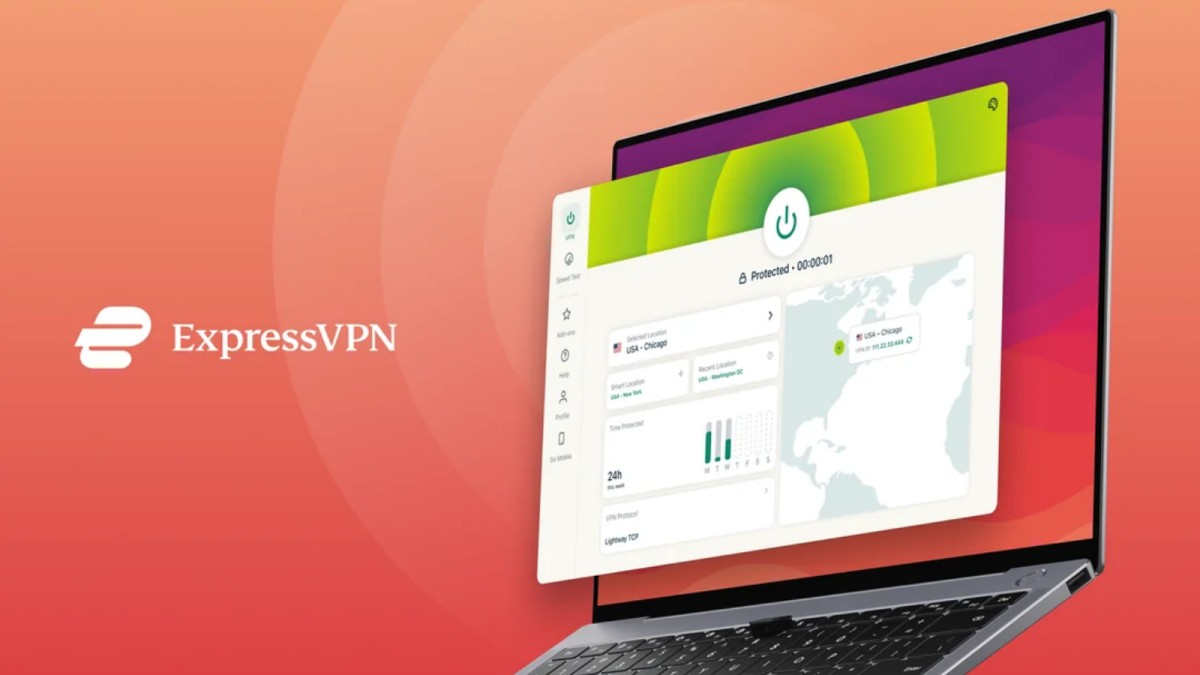
ExpressVPN remains one of the most recognizable names in the VPN market. Founded in 2009, it has built a reputation for speed, security, and user-friendly apps. But does this reputation hold up under scrutiny in 2026? After extensive testing and analysis, the answer is largely yes. While past controversies exist, ExpressVPN has demonstrably improved its transparency and service quality. This review dives into the current offerings, pricing, security features, and lingering questions about its corporate ownership.
What Does ExpressVPN Offer in 2026?
ExpressVPN provides three subscription tiers: Basic, Advanced, and Pro. All plans include a solid base of features – up to 14 simultaneous connections, a built-in speed test, and ad/malware blocking. Higher tiers add tracker blocking, eSIM access with varying data allowances, and full access to additional privacy tools like ExpressMailGuard and ExpressAI. Prices range from $3.49/month for long-term commitments (28 months) to $19.99 monthly for the Pro plan.
The service is available on major platforms (iOS, macOS, Windows, etc.). While the VPN itself remains the core offering, ExpressVPN has expanded into adjacent privacy tools, positioning itself as a broader digital security provider. Notably, it briefly offered cryptocurrency payments but has disabled them due to unspecified technical issues.
Is ExpressVPN Trustworthy?
ExpressVPN’s privacy policy is robust. It adheres to a strict no-logs policy, verified by independent audits and even a real-world test in 2017 when Turkish authorities seized a server and found no user data. The company publishes transparency reports detailing government requests for user information – none of which have resulted in data disclosure.
However, potential users should be aware of the company’s ownership. ExpressVPN is owned by Kape Technologies, a British-Israeli firm with a controversial past. Kape previously operated Crossrider, a platform used by some developers for adware injection. While Kape claims this was due to abuse by third parties, the association raises valid concerns.
Despite this history, ExpressVPN operates independently from other Kape brands (Private Internet Access, CyberGhost) and maintains audited privacy policies. The company generates revenue solely from subscriptions, not data sales. For those with extreme privacy needs (journalists, activists), caution is still advised. But for general users, the risks are manageable.
Addressing Past Issues: DNS Leaks and Transparency
In 2024, a DNS leak was discovered in ExpressVPN’s Windows split tunneling feature, exposing some user traffic. The company responded quickly by disabling the tool, fixing the bug, and commissioning an external audit. This incident underscores the importance of rigorous testing and transparent responses to security flaws.
ExpressVPN has doubled down on audits, commissioning nearly 20 since 2022. While some remain outdated, the effort demonstrates a commitment to verification. The company also maintains a bug bounty program, encouraging researchers to identify vulnerabilities.
The Verdict: A Solid Choice, with Caveats
ExpressVPN remains a strong contender in the VPN market. Its apps are polished, its speeds are fast, and its privacy features are comprehensive. The company has taken steps to address past concerns, including increasing transparency and responding effectively to security incidents.
However, the Kape Technologies ownership remains a point of contention. Users should weigh this factor against the service’s technical merits. For most, ExpressVPN offers a reliable and secure VPN experience. But those with extreme privacy concerns may prefer alternatives.