Smartphones have become ubiquitous, with 91% of Americans owning one as of recent data. Globally, that number is set to reach 6.1 billion by 2029. Yet, despite the convenience, many find themselves trapped in cycles of compulsive checking, doomscrolling, and wasted time. The solution isn’t necessarily willpower; it’s a deliberate shift away from the endless distractions of the modern smartphone. This is why the “dumb phone” – a stripped-down cellular device – is experiencing a resurgence.
The Allure of Simplicity
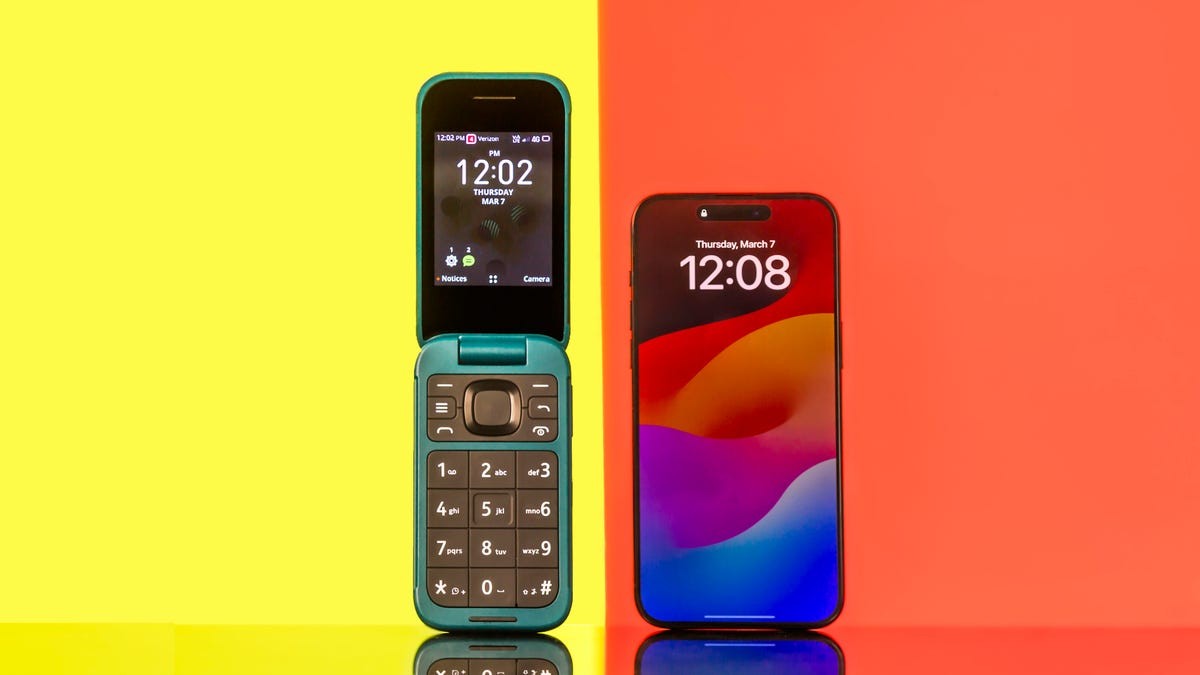
The core appeal of a dumb phone is its intentional limitation. Unlike smartphones, which are pocket-sized computers designed to keep you endlessly engaged, dumb phones prioritize core functions: calling and texting. Some models offer basic features like cameras or music players, but they avoid the addictive loops of social media, notifications, and app-based distraction.
The reason this matters is simple: our brains are not wired for constant stimulation. Smartphones exploit this, hijacking attention with dopamine-driven feedback loops. By removing those triggers, dumb phones free up mental space, reduce anxiety, and allow for deeper focus on real-world tasks and relationships.
Dumb Phone Options: From Basic to “Smarter”
The dumb phone market isn’t monolithic. Devices range from barebones models that offer nothing but calls and texts to more advanced “feature phones” with limited internet access or touchscreen interfaces. Here’s a breakdown:
- Basic Phones: These are the closest to the original mobile experience – simple, durable, and focused on communication. Examples include the Nokia 3210 and the Barbie phone.
- Smarter Dumb Phones: These strike a middle ground, often featuring touchscreen displays, GPS, and limited app support. The Light Phone 3, with its 3.92-inch OLED screen and 5G capabilities, is a prime example, though it comes at a smartphone-like price of $700. The Mudita Kompakt offers a similar experience at a lower cost.
- Android Dumb Phones: These represent a transitional step for those unwilling to fully disconnect. Running simplified Android versions, they provide access to essential apps while minimizing distractions. The Unifone S22 Flip is an option for those seeking this compromise.
Compatibility and Network Considerations
Before purchasing, verify compatibility with your carrier. AT&T, in particular, maintains a whitelist of permitted devices, so ensure your chosen model is supported. 5G capability remains rare in dumb phones, but some newer models, such as the Light Phone 3 and TCL Flip 4, do offer it.
Is a Dumb Phone Right for You?
The decision isn’t about deprivation; it’s about intentionality. If you find yourself mindlessly scrolling through feeds instead of living, a dumb phone can be a powerful tool for reclaiming control. Even if a full switch feels daunting, exploring “wellness” tools on your smartphone – app timers, downtime modes – can provide a starting point.
Ultimately, the goal isn’t to abandon technology entirely, but to use it on your terms, not the other way around. A dumb phone is simply one way to reset that balance, prioritizing presence over perpetual connectivity.