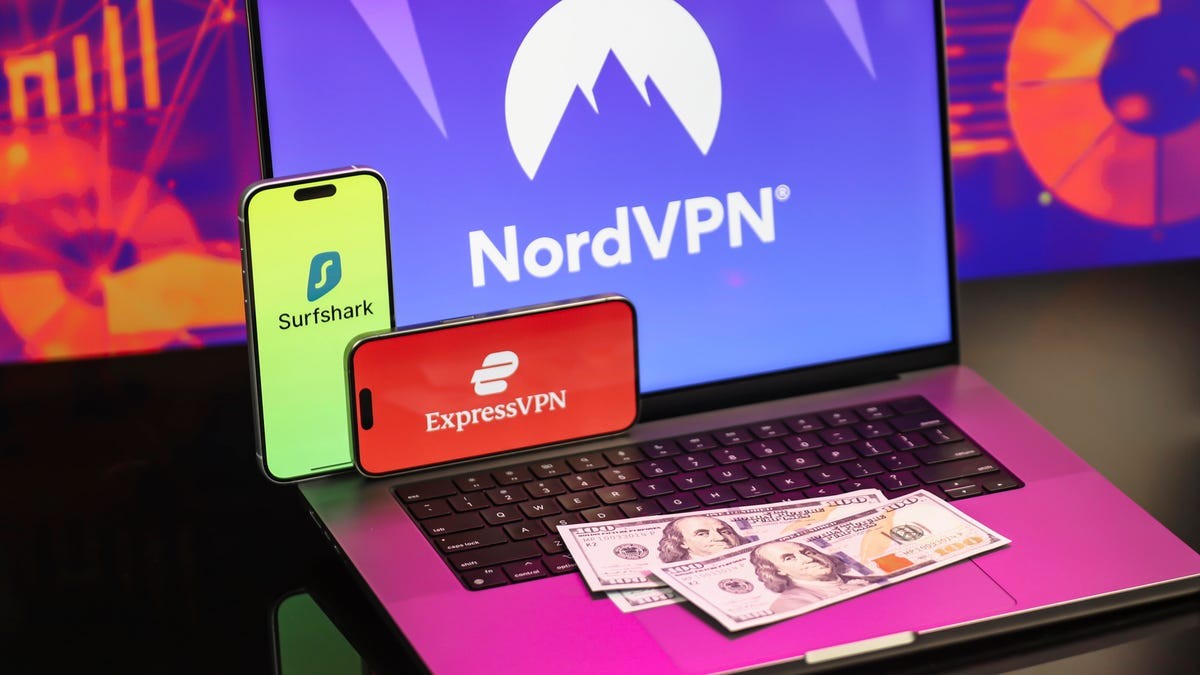
Virtual Private Networks (VPNs) are ubiquitous now, aggressively marketed as essential tools for online security and privacy. While VPNs can be useful, many ads exaggerate their capabilities, preying on fear rather than offering genuine solutions. This guide cuts through the hype, explaining what VPNs actually do, how marketing distorts reality, and what to look for if you decide one is right for you.
The Core Function of a VPN
A VPN encrypts your internet traffic between your device and a remote server, effectively masking your IP address and preventing your internet service provider (ISP) from tracking your browsing activity. This is valuable for privacy on public Wi-Fi, bypassing geo-restrictions, or preventing ISP logging. However, it’s not a magic bullet. A VPN doesn’t make you anonymous. It merely shifts where your data is visible, not whether it’s tracked at all. Sites you log into still know who you are, and a VPN won’t protect you from phishing, malware, or data breaches.
The Rise of Fear-Based Marketing
VPN advertising exploded not because people suddenly cared more about privacy, but because fear sells. Ads exploit anxieties about hacking, surveillance, and data theft to push a product. University of Maryland research confirms this: VPN ads don’t educate consumers; they scare them into buying. This manipulative tactic prioritizes sales over genuine security awareness. If an ad makes you nervous before offering a solution, it’s a sales pitch, not advice.
Decoding Common Marketing Buzzwords
VPN companies frequently use inflated language to appear more advanced than they are. Here’s a breakdown of common claims:
- “Military-Grade Encryption!” This usually refers to AES-256 or ChaCha20 – strong standards also used by banks and messaging apps. It’s not unique to VPNs, and doesn’t guarantee superior security.
- “Complete Anonymity! Be Invisible Online!” False. A VPN hides your IP, but any logged-in account still identifies you. True anonymity requires far more than a VPN.
- “Protect Your Passwords and Credit Cards!” A VPN protects your connection, not your credentials. Weak passwords or compromised websites remain vulnerabilities.
- “Stop Companies From Collecting Your Data!” VPNs hide your traffic from ISPs, but companies like Google and Meta still track you through accounts, cookies, and trackers.
- “One-Click Security!” Security is multi-layered: strong passwords, updated software, antivirus, and awareness. A VPN is one piece, not the whole solution.
- “Access Any Content Anywhere!” Some streaming services block VPNs. Access isn’t guaranteed, and servers can be unreliable.
- “Save a Ton of Money!” VPN pricing is often deceptive. Multi-year plans appear discounted, but renewal costs can skyrocket. Avoid autorenewals.
Emotional Manipulation in VPN Ads
Many VPN ads start with fear-mongering: government surveillance, hacker threats, ISP tracking. These claims are exaggerated to create urgency. Research shows this doesn’t educate people; it simply makes them anxious and more likely to buy. If a company relies on fear, question its motives.
The Details That Matter
Focus on what companies don’t highlight:
- Logging Policies: Does the VPN keep user activity records? Verified no-logs policies are crucial.
- Jurisdiction: A VPN in a surveillance-heavy country may be forced to share data.
- VPN Protocols: Modern protocols like WireGuard and OpenVPN offer strong encryption.
- Server Network: More servers in more locations can mean faster speeds.
Be wary of lifetime plans or steep discounts – they often hide long-term commitments or vague refund policies. Transparency and honesty are signs of a trustworthy provider.
Influencer Ads: Buyer Beware
Influencer VPN ads are often sponsored, even if they sound organic. Pay attention to who is promoting the product and whether they disclose the partnership. Verify claims against the VPN’s official website or independent reviews. If an ad’s promises don’t align with documented features, trust the documentation.
What a VPN Won’t Do
Despite marketing claims, a VPN will not :
- Make you anonymous when logged into accounts.
- Fix weak passwords.
- Stop phishing attacks.
- Protect against malware.
- Erase existing data collection.
A VPN is a privacy tool, not a cybersecurity panacea. Real security requires vigilance, strong practices, and a clear understanding of online risks.
In conclusion, VPNs offer legitimate privacy benefits, but marketing often distorts their capabilities. Focus on verified features, transparent policies, and realistic expectations. A VPN is one piece of the puzzle, not a complete solution.