The maker movement is entering a new phase. Over the past decade, digital fabrication tools have moved from niche hobbyist spaces into mainstream accessibility, and 2026 promises even greater change. From UV printing to accessible CNC mills, the landscape for DIY enthusiasts, digital fabricators, and small businesses is about to be reshaped. Here’s what to expect.
The Rise of UV Printing
UV printing is poised to explode in popularity. The technology, pioneered by companies like EufyMake with their viral Kickstarter E1 printer, allows for high-detail, durable prints on nearly any hard surface using layers of UV-cured ink.
This isn’t just a novelty; it opens up new possibilities for customized goods, rapid prototyping, and artistic expression. While early adopters faced supply chain issues following crowdfunding success, expect wider availability and competition in 2026. Major manufacturers will likely enter the market, potentially even adapting industrial-grade Mimaki technology for consumer use. Etsy sellers, brace yourselves: UV-printed products will dominate.
Affordable Color 3D Printing
For years, high-quality color 3D printing has been prohibitively expensive. Now, brands like Bambu Lab and Flashforge are pushing the boundaries with accessible, multi-color printers in the $300–$500 range. The AD5X and Elegoo Carbon 2 are prime examples, offering CoreXY technology with integrated color systems.
More established players, such as Creality and Anycubic, are also expected to introduce competitive options. This means more creators will have access to full-color prints without a massive investment.
Multi-Nozzle 3D Printing: Waste Reduction and Efficiency
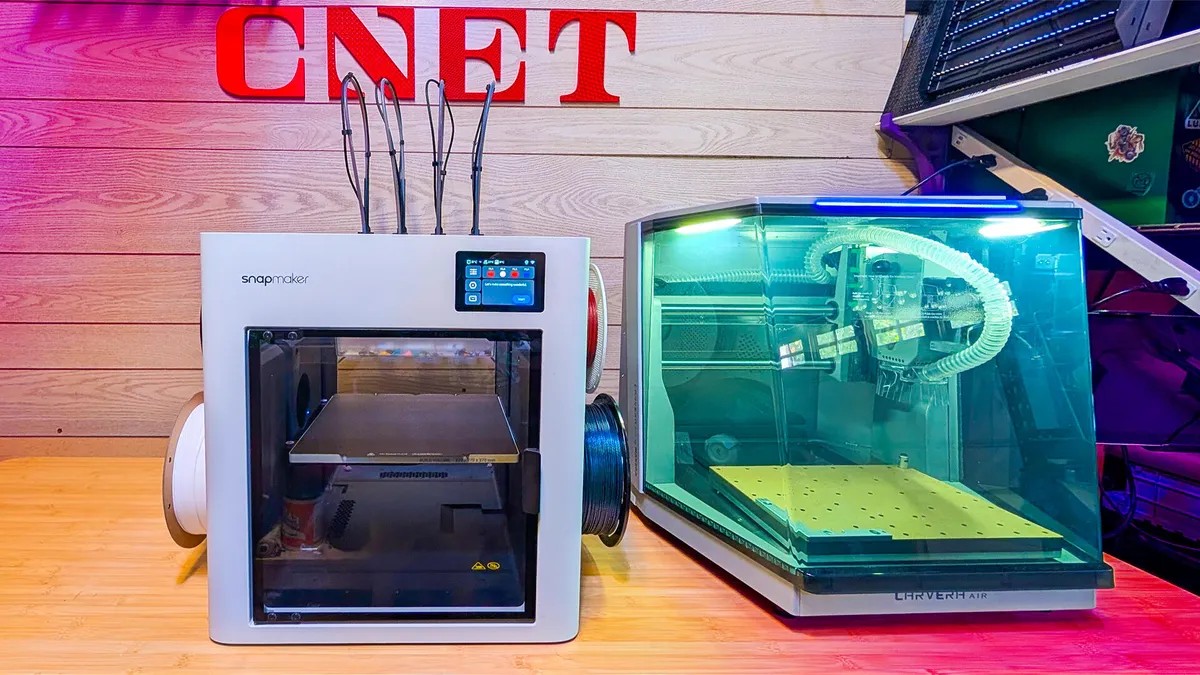
Beyond color, 3D printers are evolving to handle multiple materials more efficiently. Printers like the Snapmaker U1 feature four separate print heads, allowing for four-color prints with minimal material waste.
However, the future lies in Indx systems, developed by Bambu Lab (Vortek) and Prusa. These systems use multiple nozzles instead of tool heads, swapping colors and materials rapidly without purging excess plastic.
While currently expensive, 2026 will focus on refining Indx technology to reduce costs and improve accessibility.
Safer, More Affordable Lasers
Laser engraving and etching are booming, but safety and price remain barriers. While high-end lasers like the xTool P3 offer premium performance, the market needs more affordable, safe options.
Glowforge’s recent financial struggles highlight the risks of over-engineered, expensive machines. Companies like xTool are stepping up with cost-effective models like the M1, proving that usability doesn’t have to break the bank. Expect more consumer-friendly lasers with built-in safety features in 2026.
The AI Flood: Navigating the Creative Chaos
Artificial intelligence will dominate maker software. Every new printer, laser, and CNC mill will integrate AI-generated artwork tools, churning out “AI slop” that blurs the line between human and machine creation.
As AI image generators improve, distinguishing original work from algorithm-made content will become nearly impossible. Platforms like Etsy may struggle to enforce “handmade” policies, leading to regulations on AI-generated products.
CNC Milling Comes Home
The final piece of the digital fabrication puzzle is at-home CNC milling. Traditionally complex and messy, CNC mills are now becoming more accessible. Makera, with its Carvera Air and upcoming Z1 model, aims to simplify the process with user-friendly hardware.
Coupled with improved software like Millmage (from Lightburn), 2026 will be the year CNC milling breaks into the mainstream maker community.
In conclusion, 2026 will be a pivotal year for makers. UV printing, affordable color 3D printing, multi-nozzle efficiency, safer lasers, AI integration, and accessible CNC milling will converge to create an unprecedented wave of innovation. Despite the challenges posed by AI-generated content, the tools available to creators are only getting better.