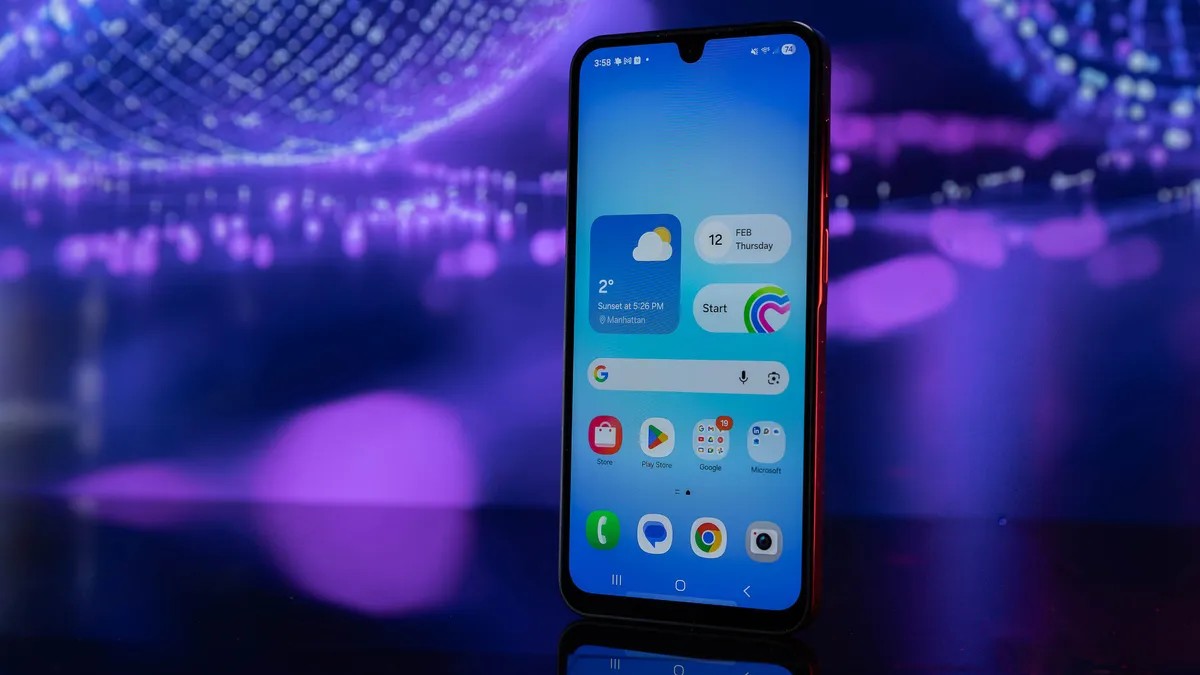
Samsung’s Galaxy A17 5G, priced at $200, offers a surprisingly full Android experience… with compromises. This is a phone for users who prioritize affordability above all else, accepting that performance will often lag behind smoother, more expensive devices. After three weeks of testing, the A17 proves its value in basic tasks but struggles significantly when pushed beyond simple operations.
Performance: A Trade-off for Affordability
The A17’s underpowered hardware is its biggest limitation. Attempting to run multiple apps simultaneously—such as navigation and music streaming—results in stuttering audio or outright app crashes. The phone handles single tasks adequately, but multitasking introduces frustrating delays. This isn’t just a minor inconvenience; users have reported missing transit stops due to navigation apps unexpectedly closing.
Despite these limitations, the A17 has access to nearly all the same apps and services found on higher-end Galaxy models. Samsung’s Now bar offers useful dynamic notifications, and Smart View enables Miracast streaming to TVs (a feature often missing from competitors). Furthermore, Samsung’s six-year commitment to software and security updates is unmatched in this price bracket, ensuring long-term usability.
Software and Key Features
The Galaxy A17 excels in offering a full-featured software experience despite its low price. Samsung Health, Wallet, and Weather all function seamlessly, providing a consistent user experience. The phone includes a loud single speaker for audio playback, though a headphone jack is absent (Bluetooth or casting to external speakers are the alternatives). The 5,000-mAh battery provides more than a day of typical use, with 25W wired charging reaching 54% in just 30 minutes.
A notable workaround for performance issues involves excluding critical apps from memory management in Settings. This prevents the A17 from aggressively shutting down background processes, but the phone’s limited 4GB of RAM still creates bottlenecks. Samsung allows virtual memory expansion using onboard storage, but this only partially mitigates the problem.
Design, Display, and Cameras
The A17’s plastic build is surprisingly well-executed, mimicking the aesthetics of more premium Samsung devices. The 6.7-inch 1080p display runs at a smooth 90Hz refresh rate, enhancing video playback and web browsing. However, the phone’s Exynos 1330 processor struggles to keep up with demanding tasks, resulting in noticeable lag even during basic operations like swiping down for notifications.
The camera system includes a 50-megapixel wide-angle lens, a 5-megapixel ultrawide, and a 2-megapixel macro lens. Photos taken in good lighting are acceptable, but lack detail. Zooming introduces crushed shadows and blurred textures. The 13-megapixel front-facing camera delivers passable selfies but lacks refinement.
Value and Verdict
The Samsung Galaxy A17 5G’s primary appeal is its $200 price point and access to the broader Galaxy ecosystem. It handles basic tasks well—calls, texts, web browsing, simple photography—but multitasking strains its limited resources. If you need a cheap, reliable smartphone that won’t break the bank, the A17 is a viable choice. However, expect compromises in performance and be prepared to manage expectations.
Ultimately, the Galaxy A17 is not a phone for power users. It is a functional, affordable device that prioritizes accessibility over speed and fluidity. For those who need only the essentials, it delivers value. But for anyone who demands seamless multitasking or high-performance gaming, better options exist at a higher price.