Foldable phones, once considered a niche experiment, are poised for significant growth. Market forecasts predict double-digit expansion by 2026, driven by increasing consumer interest and the potential entry of major players like Apple. The category is evolving beyond simple book-style and flip designs, with new form factors already emerging and expected to dominate the market within the next two years.
Growth Drivers and Market Leaders
Current forecasts from IDC show a 10% growth in global foldable phone shipments for 2025, with an anticipated 30% year-over-year increase in 2026. This acceleration is largely attributed to speculation surrounding an upcoming foldable iPhone, which could further legitimize and expand the market.
Currently, Samsung dominates with its Flip and Fold lines, while Huawei leads in China, controlling a massive 68.9% market share as of Q3 2025. This dominance showcases the demand for innovative designs, even in a competitive landscape with brands like Oppo, Vivo, and Xiaomi. The growth of foldable phones represents a shift in how people consume their mobile experience.
The Four Form Factors of 2026
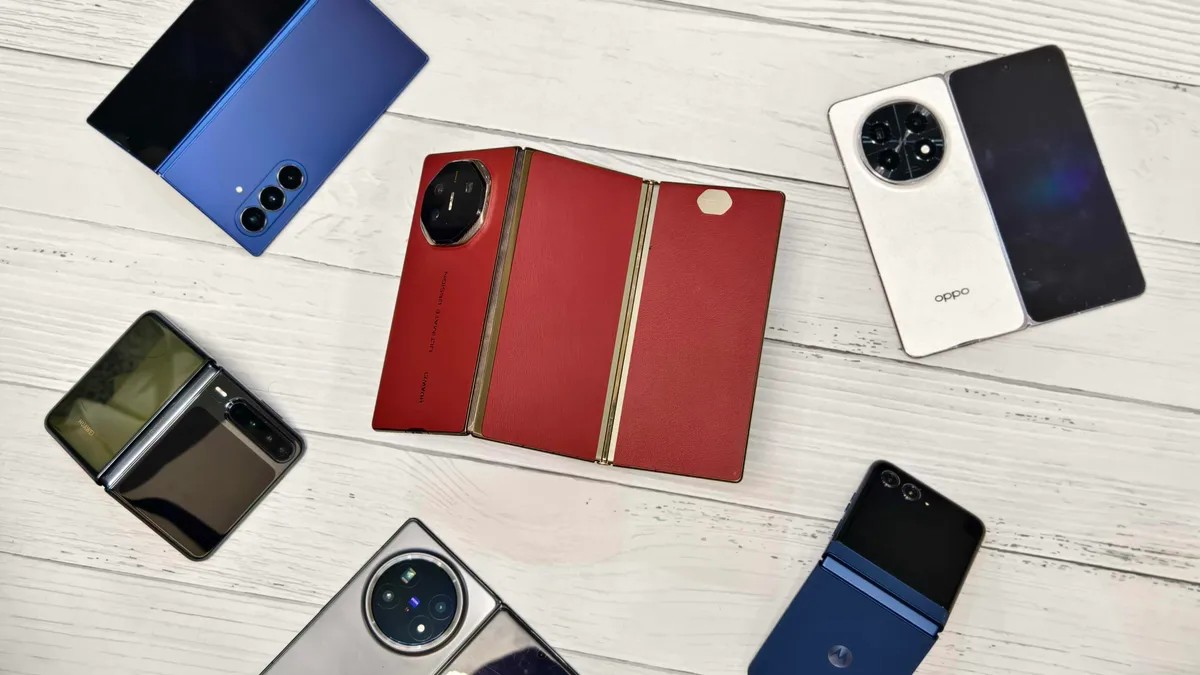
By 2026, the foldable market will likely feature four distinct types: flip, book-style, trifold, and wide-screen designs. This expansion offers consumers more options for compact devices that unfold into larger screens, addressing different needs and preferences.
Flip Phones
Models like the Galaxy Z Flip 7 and Motorola Razr cater to users seeking pocketable devices without compromising screen size. These flip phones provide a 6.9-inch display in a compact form factor, appealing to those who prioritize portability.
Book-Style Foldables
The Samsung Galaxy Z Fold 7, Google Pixel 10 Pro Fold, and Oppo Find N5 represent the book-style approach, unfolding into mini-tablets. Advancements in battery technology and hinge design have reduced crease depth and overall thickness, making them almost as slim as traditional smartphones. These phones are ideal for productivity, web browsing, and e-reading.
Trifold Phones
The trifold design, exemplified by the Samsung Galaxy Z TriFold and Huawei Mate XT, offers the most versatility. Huawei’s trifold allows use as a phone, mini-tablet, and wide-screen tablet, making it a true all-in-one device. Samsung’s version focuses on productivity and media consumption, delivering a 10-inch tablet experience in a pocketable form.
Widescreen Foldables
The Huawei Pura X leads this category with its 6.3-inch display and 16:10 aspect ratio, ideal for video and reading. Apple is rumored to adopt this approach with its upcoming iPhone Fold, potentially launching in fall 2026. Samsung is also developing a similar “Wide Fold” with a 5.4-inch cover screen and 25-watt wireless charging, possibly releasing it before Apple’s entry.
Competitive Landscape and Future Outlook
The introduction of these new foldable styles, coupled with Apple’s potential entry, will intensify competition in the smartphone market. While these devices are likely to remain expensive, especially the trifold and wide-fold models, they offer a compelling alternative to traditional candy-bar phones. The increasing diversity of foldable options will cater to a wider range of consumers, driving further growth and innovation in the industry.
The rapid expansion of the foldable market is reshaping the mobile landscape, offering consumers more choices and pushing manufacturers to explore new possibilities in design and functionality. The next two years will be crucial as these new form factors gain traction and compete for market share.