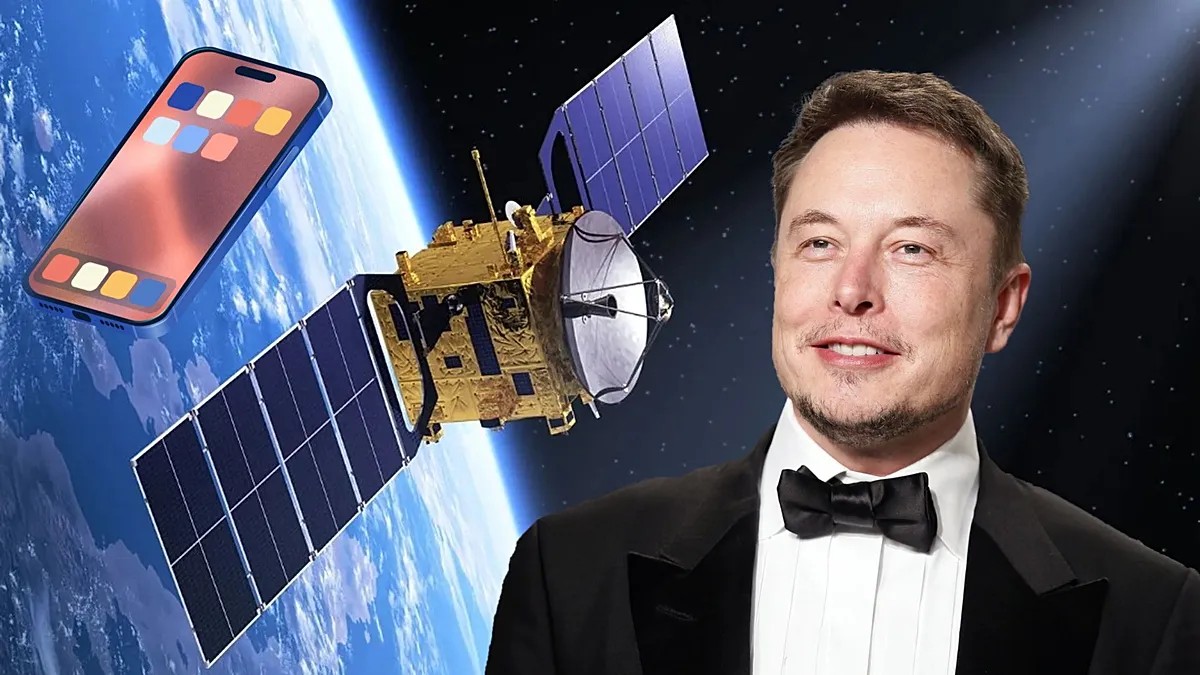
Elon Musk’s SpaceX is weighing a move into the mobile device market with a potential smartphone directly linked to its Starlink satellite network, despite Musk’s public statements to the contrary. The project, if realized, would represent a radical departure from conventional mobile technology, bypassing traditional cellular infrastructure for direct satellite connectivity.
The Ambiguous Future of a Starlink Phone
SpaceX is actively exploring new products leveraging its growing satellite constellation. While Musk initially denied the development of a standard smartphone on X (formerly Twitter), he left room for a different kind of device, suggesting it could exist but would be unconventional. This ambiguity fuels speculation about a phone-like device designed specifically to interface with the Starlink network.
The idea is not entirely new: SpaceX has already partnered with T-Mobile to enable Starlink access on existing smartphones. The company also secured a $19.6 billion deal with EchoStar to acquire satellite spectrum, laying the groundwork for broader satellite-based connectivity.
Why This Matters: Beyond Coverage, Toward Control
SpaceX operates the largest satellite constellation in history, with over 9,500 satellites serving over 9 million users. Approximately 650 of these satellites are dedicated to direct-to-device programs. This expansion isn’t just about extending coverage to remote areas; it’s about creating an independent, satellite-based network.
This move could challenge traditional telecom companies by offering a bypass to existing infrastructure. SpaceX has the potential to provide global cellular coverage without relying on terrestrial towers, making it attractive to governments, disaster relief organizations, and consumers in underserved regions.
Satellite Safety Concerns Drive Orbital Adjustments
SpaceX also announced plans to lower around 4,400 of its satellites by 2026, citing space safety concerns. The company’s VP of Engineering, Michael Nicholls, said that reducing the satellites’ altitude from 550 to 480 kilometers will mitigate risks associated with uncoordinated maneuvers from other satellite operators. This adjustment reflects the growing congestion in low Earth orbit and SpaceX’s commitment to responsible space operations.
SpaceX’s move into mobile connectivity is more than just technological; it’s a strategic play to control a critical layer of global communication infrastructure. The potential for a Starlink-branded device, even if unconventional, highlights the company’s ambition to bypass traditional telecom systems entirely.