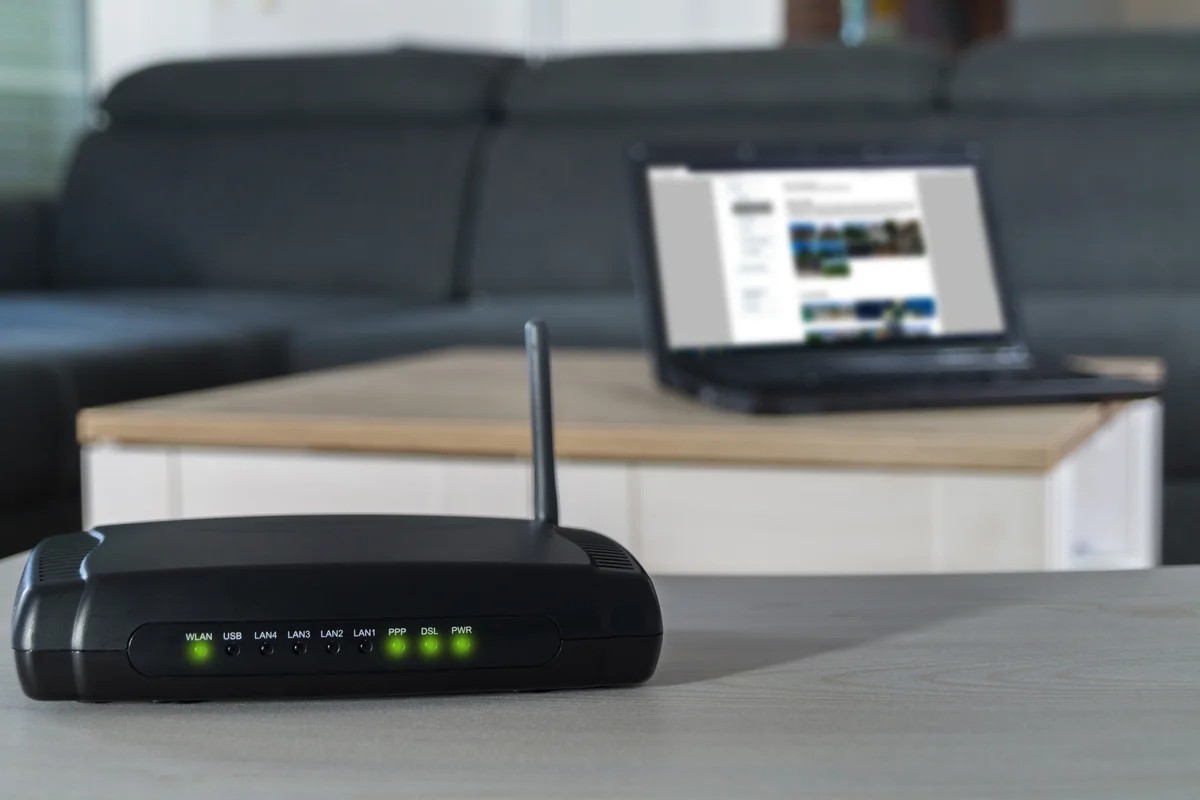
The United States has effectively banned the import and sale of new internet routers manufactured outside the country, citing concerns about national security vulnerabilities. The Federal Communications Commission (FCC) added all consumer routers to its “Covered List,” requiring FCC approval for any future sales within the U.S. This decision reflects growing worries that foreign-made devices could provide backdoors for espionage, cyberattacks, and economic disruption.
Supply Chain Vulnerabilities and Cybersecurity Threats
The White House has expressed alarm over the potential for foreign-manufactured routers to compromise critical U.S. infrastructure. Officials claim these devices introduce a supply chain vulnerability that could cripple the economy, defense systems, and private networks. The FCC stated that malicious actors have already exploited security flaws in foreign routers to launch attacks, steal intellectual property, and conduct espionage.
This ban isn’t about existing devices; consumers can continue using routers they already own. However, any new router seeking sale in the U.S. must now pass FCC scrutiny. The move is part of a broader trend to secure U.S. tech supply chains against foreign interference.
China and Previous Tech Bans
The action comes amid heightened scrutiny of Chinese tech companies. TP-Link, a popular router brand with ties to China, recently faced investigations related to cyberattacks attributed to Chinese actors, though the company has denied involvement.
This ban mirrors previous restrictions on foreign technology under the Trump administration. In December, the FCC also banned new products from DJI, the world’s largest drone maker. The underlying principle is to avoid dependency on external powers for essential defense and economic components.
What This Means
The U.S. government’s decision underscores the intensifying geopolitical tensions surrounding technology and cybersecurity. The ban signals a commitment to fortifying domestic supply chains and reducing reliance on foreign manufacturers. While the immediate impact is limited to new router sales, the long-term implications could reshape the consumer tech landscape.
Ultimately, this move is about securing U.S. cyberspace and ensuring that critical infrastructure remains protected from potential foreign exploitation.