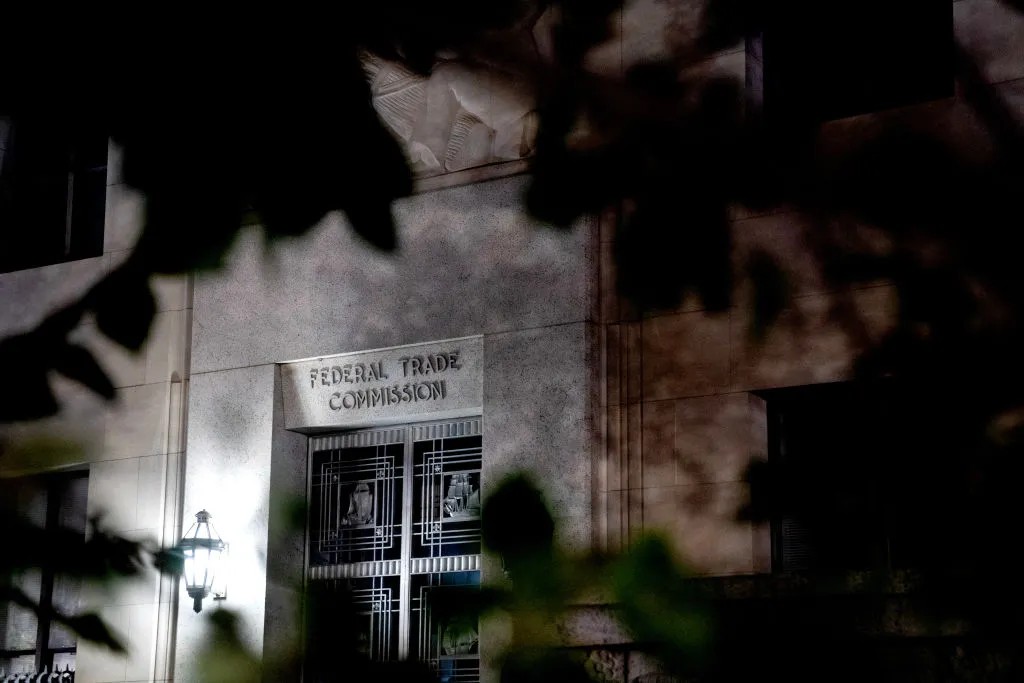
StubHub has agreed to a $10 million settlement with the Federal Trade Commission (FTC) following allegations that the ticket marketplace used deceptive pricing tactics. The settlement addresses claims that the company failed to disclose the full cost of tickets, including mandatory fees, at the start of the purchasing process.
The Core of the Dispute: “Drip Pricing”
The FTC’s complaint centers on the practice of advertising a low base price while withholding the total cost until the final stages of checkout. This tactic, often referred to as “drip pricing,” can mislead consumers into believing a ticket is more affordable than it actually is.
According to the FTC, StubHub violated the Rule on Unfair or Deceptive Fees, which was implemented in May 2025 to mandate price transparency across all ticket marketplaces. The agency alleges that StubHub continued to advertise prices without full disclosure even after the new rules were in effect.
Timing and Intent
A significant aspect of the FTC’s case involves the timing of StubHub’s non-compliance. FTC Chair Andrew Ferguson noted that the company allegedly delayed implementing the required transparency measures to capitalize on a massive surge in web traffic.
- The Trigger: The release of the NFL regular-season schedule.
- The Allegation: StubHub executives reportedly viewed the competitive advantage gained from misleading consumers during this high-traffic period as outweighing the potential regulatory risks.
- The Response: After receiving a formal warning letter from the FTC on May 14, 2025, StubHub corrected its pricing displays the following day.
Financial Impact and Consumer Redress
The $10 million settlement is specifically tied to a three-day window of non-compliance in May 2025. The FTC intends to use these funds to return “ill-gotten” profits to consumers by refunding the fees paid during those specific transactions.
In response, a StubHub spokesperson stated that while the company disagrees with the FTC’s interpretation of the case, they are proceeding with refunds to address the agency’s concerns. The company maintained that the issue was limited to a small number of transactions.
A Broader Crackdown on the Ticketing Industry
This settlement is not an isolated incident but rather part of a wider regulatory push to clean up the live entertainment industry. The FTC has been increasingly aggressive toward major players in the secondary market:
- Ticketmaster & Live Nation: Last September, the FTC filed a lawsuit against these companies, alleging illegal resale tactics and deceptive practices regarding ticket limits and pricing.
- The Goal of Transparency: Regulators are pushing for “all-in pricing,” where the price a consumer sees initially is the actual amount they will pay at checkout.
This settlement serves as a warning to digital marketplaces that the cost of deceptive advertising may soon outweigh the short-term profits gained from high-traffic sales events.
Conclusion
The $10 million settlement marks a decisive move by the FTC to enforce price transparency in the ticketing industry, signaling that companies cannot bypass consumer protection rules to exploit major seasonal traffic spikes.