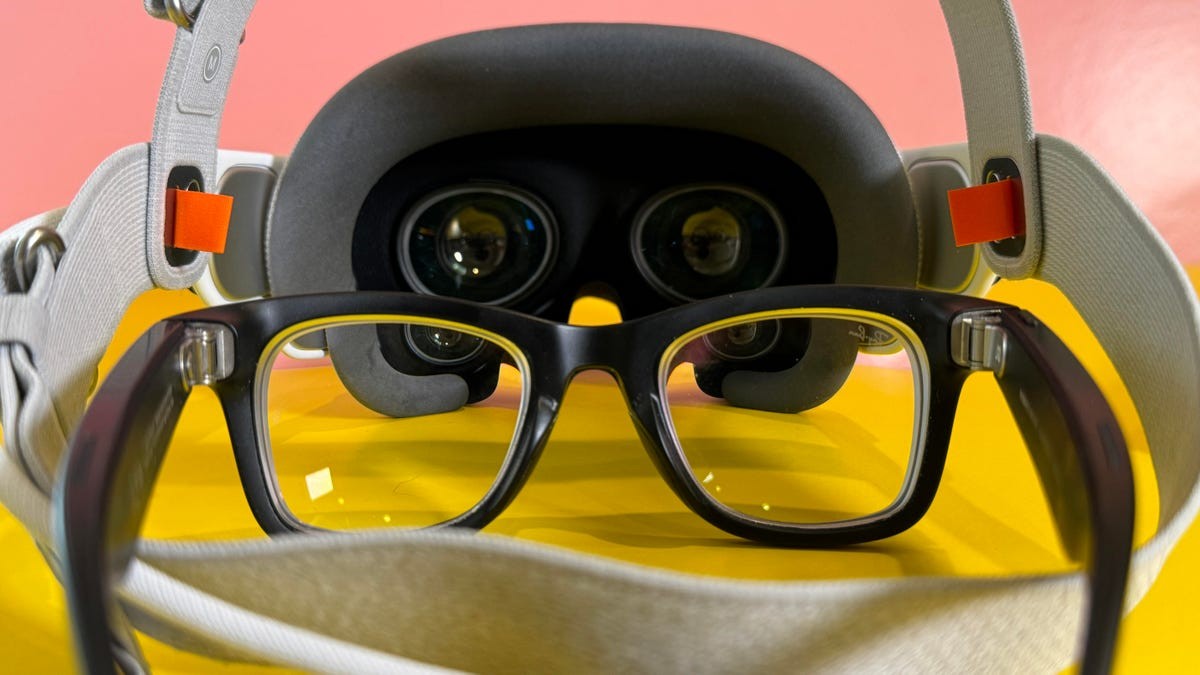
For years, Apple has successfully integrated technology into our most intimate personal spaces. The AirPods transformed from a social curiosity into an ubiquitous accessory, and Face ID turned biometric scanning into a seamless, everyday habit. However, as the company prepares for a leadership transition from Tim Cook to hardware chief John Ternus, one major frontier remains unsolved: the face.
While Apple has mastered what we put in our ears and what we hold in our hands, it has yet to find a way to make “face-worn” technology socially acceptable and practical for the masses.
The Vision Pro Problem: High Tech vs. High Friction
Apple’s attempt to conquer the face via the Vision Pro has faced significant hurdles. Despite being a marvel of “spatial computing,” the device has struggled to move beyond a niche, high-end tool.
There are three primary reasons why the Vision Pro hasn’t achieved “AirPod-level” success:
– Price: At $3,499, it is a luxury computing device rather than a consumer accessory.
– Form Factor: It is bulky and visually intrusive, making it difficult to wear in public settings.
– Social Friction: Wearing a headset creates a barrier between the user and the world, preventing the “invisible” integration that successful tech requires.
The Smart Glasses Race: Privacy and Stigma
As the industry shifts toward AI-powered smart glasses, Apple faces a daunting social challenge. Competitors like Meta are already established in this space, but they carry a heavy burden of public skepticism.
The “smart glasses” category currently faces two major existential threats:
1. Privacy Concerns: The fear that camera-equipped glasses are being used for covert recording without consent.
2. Social Stigma: The perception of these devices as “creepy” or intrusive in social settings.
For Apple to succeed where others have struggled, it cannot simply build a powerful device; it must build a device that people want to be seen wearing. Apple’s strategy will likely rely on making the hardware aesthetically beautiful or so functionally indispensable that the social stigma fades.
The Next Chapter Under John Ternus
With Tim Cook set to hand over the reins, the focus for Apple is shifting toward an ecosystem of AI-connected wearables. This isn’t just about glasses; it is about a holistic approach to how we interact with artificial intelligence through our bodies.
The potential roadmap for Apple’s “face and body” tech includes:
– Smart Glasses: Expected to be more affordable and consumer-friendly than the Vision Pro.
– AI-Enhanced AirPods: Rumors suggest future iterations may include cameras or sensors to power new AI features.
– Cognitive Companions: A more advanced, “Gemini-infused” Siri that acts as a seamless assistant through various wearable touchpoints.
Why This Matters
The transition from handheld devices (iPhones) to wearable devices (Glasses/AirPods) represents the next great leap in computing. If Apple can successfully integrate AI into eyewear without triggering privacy alarms or social discomfort, they will move from being a company that provides tools to a company that provides a digital layer over reality.
Apple’s challenge is no longer just about engineering better hardware; it is about engineering social acceptance.
Conclusion
Apple is poised to enter the smart glasses market, but its success depends on more than just technical specs. To win, Apple must bridge the gap between cutting-edge AI functionality and the social nuances of how we interact with one another in public.