


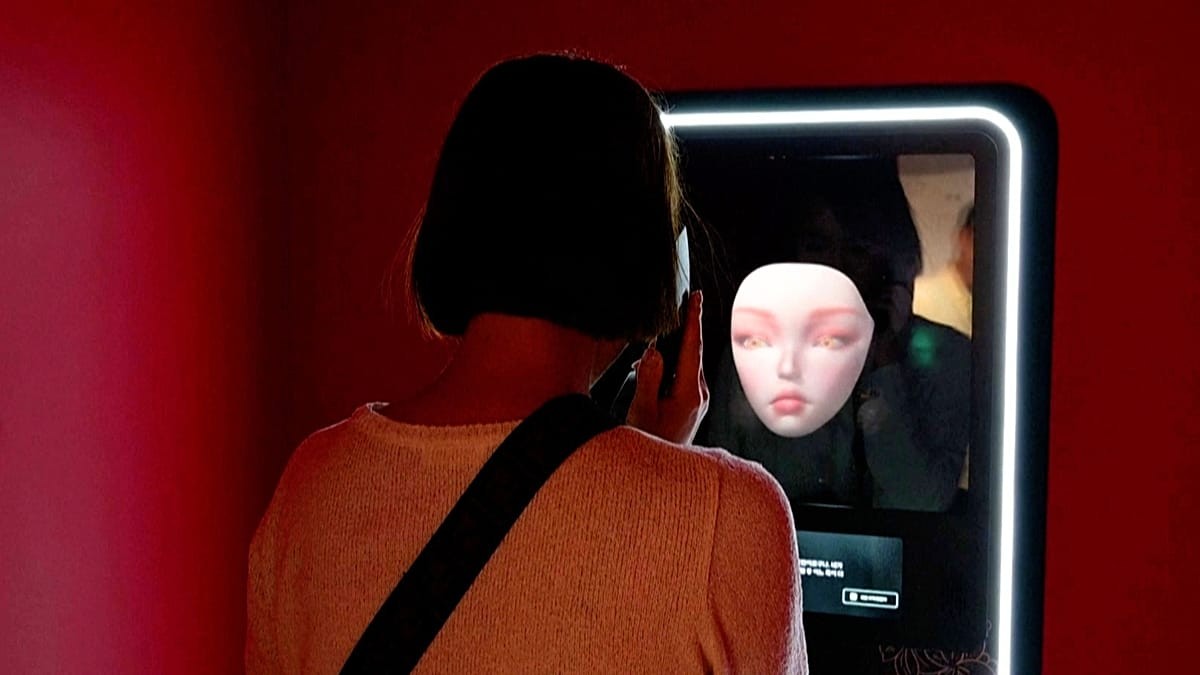
A new technological experiment in Seoul is testing the boundaries between ancient spiritual traditions and cutting-edge artificial intelligence. A local shop has introduced an AI shaman, a digital entity designed to predict the future, raising profound questions about the intersection of culture, technology, and human belief.
The Intersection of Tradition and Tech
In South Korea, shamanism has long been a cornerstone of spiritual life, providing guidance through rituals and divinations. However, the arrival of an AI-driven practitioner marks a significant shift in how these services are consumed. By digitizing the role of a shaman, the shop is not just offering a novelty; it is testing whether the pattern recognition inherent in Large Language Models (LLMs) can mimic the perceived “intuition” of a spiritual medium.
Why This Matters
This phenomenon is part of a broader global trend where artificial intelligence is being integrated into highly personal, even sacred, human experiences. There are several key reasons why this development is noteworthy:
- Accessibility vs. Authenticity: AI offers instant, low-cost spiritual guidance available 24/7, potentially democratizing access to “divination” while stripping away the ritualistic human connection that defines traditional shamanism.
- The Illusion of Insight: AI operates on probability and vast datasets. When an AI provides a “prophecy,” it is actually synthesizing existing human knowledge and linguistic patterns. This raises the question: Is the user seeking truth, or simply a mirror of their own subconscious through sophisticated algorithms?
- Cultural Evolution: As technology permeates every facet of life, even ancient belief systems must adapt. This experiment explores whether digital tools can preserve cultural practices or if they fundamentally alter their meaning.
The Digital Oracle
The use of AI in this context serves as a litmus test for technological trust. If users find comfort or guidance in the predictions of a machine, it suggests that the value of divination may lie less in the “supernatural” source and more in the psychological process of reflection and decision-making.
Whether the AI truly “sees” the future is secondary to how humans react to the answers it provides.
Conclusion
The Seoul AI shaman experiment highlights a growing trend where technology attempts to fill spiritual and psychological voids. As AI moves from processing data to interpreting destiny, it challenges our fundamental understanding of what it means to seek guidance in an uncertain world.


