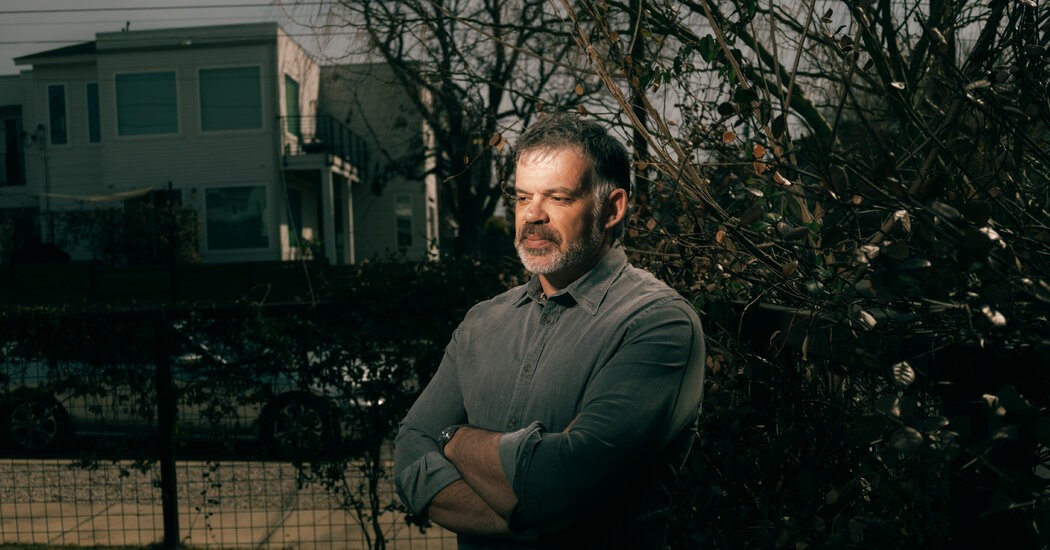
A chance discovery in a kitchen in Austin, Texas, has highlighted a growing tension in modern medicine: the gap between what patients tell their families and what their medical records actually reveal. For Ben Riley, a routine glance at his father’s digital health portal transformed a peaceful summer into a race against time.
A Hidden Diagnosis
While scrolling through his father’s MyChart portal, Ben Riley stumbled upon a series of clinical notes that painted a much darker picture than his father had ever described. His father, Joe Riley—a 75-year-old retired neuroscientist living in Seattle—had been managing chronic lymphocytic leukemia (CLL).
While CLL is often a slow-moving cancer, the digital records revealed a much more urgent situation. Ben discovered that his father’s oncologist had been urgently recommending treatment for ten months, warning that the window for effective intervention was rapidly closing.
The Conflict of Autonomy vs. Family Awareness
The medical notes highlighted a profound disconnect between the doctor’s clinical advice and the patient’s personal decisions:
- The Clinical Reality: Doctors warned that without treatment, the “natural history” of the disease would lead to death and debilitation.
- The Patient’s Stance: Joe Riley had remained adamant that he would not start treatment, fearing the side effects of the drugs might outweigh the benefits.
- The Family Perception: Joe had reassured his family that his condition was stable and that treatment was not an urgent matter.
This situation raises a critical question in the age of digital health: How do families navigate the truth when a patient chooses to withhold medical reality?
The Paradox of Modern Patient Portals
The incident underscores a significant shift in healthcare. Digital portals like MyChart provide unprecedented access to raw medical data, effectively bypassing the “gatekeeper” role traditionally held by patients.
While these tools are designed to empower patients, they also create a new kind of emotional burden for family members. In Ben’s case, the portal acted as a whistleblower, revealing a reality that his father—a man accustomed to intellectual independence—had chosen to keep private.
The discovery of these records forced a confrontation not just with a disease, but with the difficult reality of a loved one’s terminal decision-making.
Conclusion
Ben Riley’s experience illustrates the double-edged sword of digital medical transparency: while it provides life-saving information, it also exposes the painful friction between a patient’s right to privacy and a family’s need to know the truth.