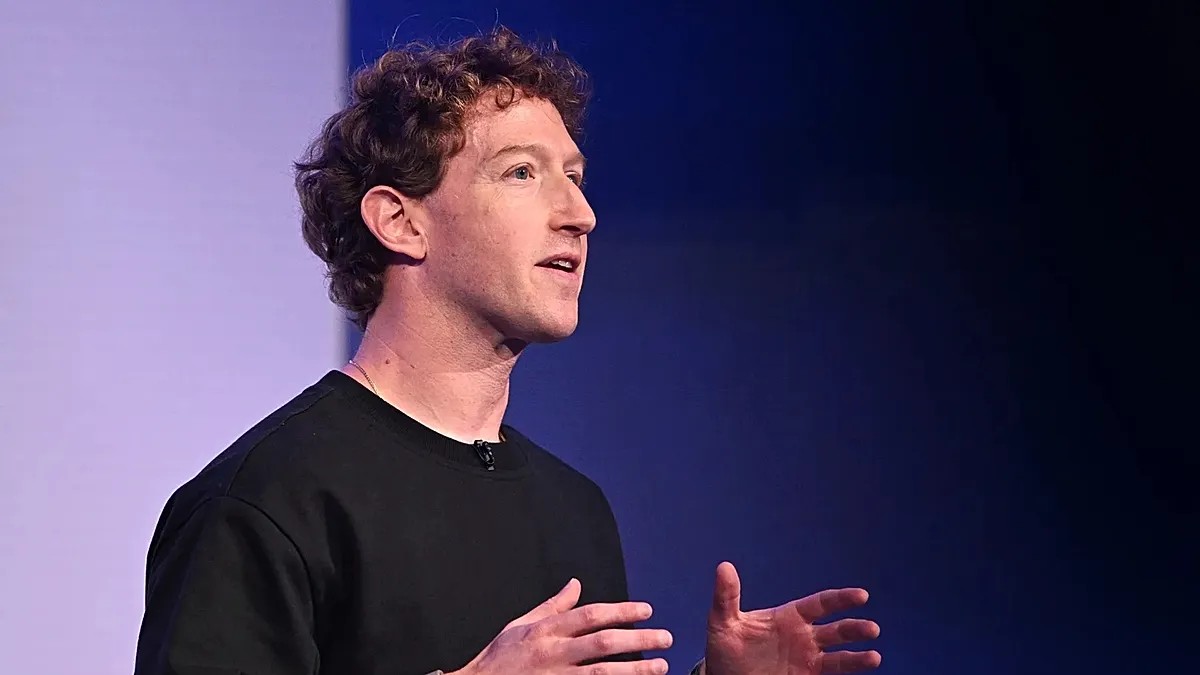
Meta CEO Mark Zuckerberg is developing an artificial intelligence (AI) agent to autonomously manage aspects of his executive role, according to reports from The Wall Street Journal. This move reflects a wider trend in tech leadership: leveraging AI not just for products, but for internal operations and decision-making.
The Rise of Autonomous AI Assistants
The AI agent Zuckerberg is building will operate similarly to advanced personal assistants. It will be able to independently research, analyze data, and execute tasks without substantial human oversight. This includes bypassing traditional bureaucratic channels to retrieve information faster.
The broader implication is that Meta intends to integrate AI deeply into its workflow across all teams. This isn’t about replacing employees wholesale, but rather streamlining processes, flattening organizational structures, and accelerating productivity. In a recent earnings call, Zuckerberg stated the goal is to “elevate individual contributors and flatten teams,” believing this will lead to faster execution and a more efficient work environment.
Meta’s AI Infrastructure
Meta isn’t starting from scratch. The company has already deployed tools like ‘Second Brain’ (for document management) and ‘My Claw’ (a personalized AI agent for communication). The acquisition of Moltbook, a chatbot social network, and Manus, an AI agent company, demonstrates Meta’s commitment to building out this infrastructure.
Notably, Meta has even created an internal messaging system where these AI agents can communicate with one another, essentially building an autonomous internal network. This suggests a vision where AI handles more and more operational tasks behind the scenes.
The Competitive Context
This isn’t isolated. The race to adopt AI is intensifying across the tech industry, with companies like Google and Microsoft integrating similar technologies into their operations. Meta’s move positions it to compete effectively, but also raises questions about the future of leadership in a rapidly automating world.
Meta did not respond to requests for comment at the time of publication.
Ultimately, Zuckerberg’s AI agent signals a fundamental shift in how tech companies are managed: towards greater automation, faster decision-making, and a more streamlined internal structure. This is not just about efficiency, but about adapting to a future where AI plays an increasingly central role in corporate leadership.