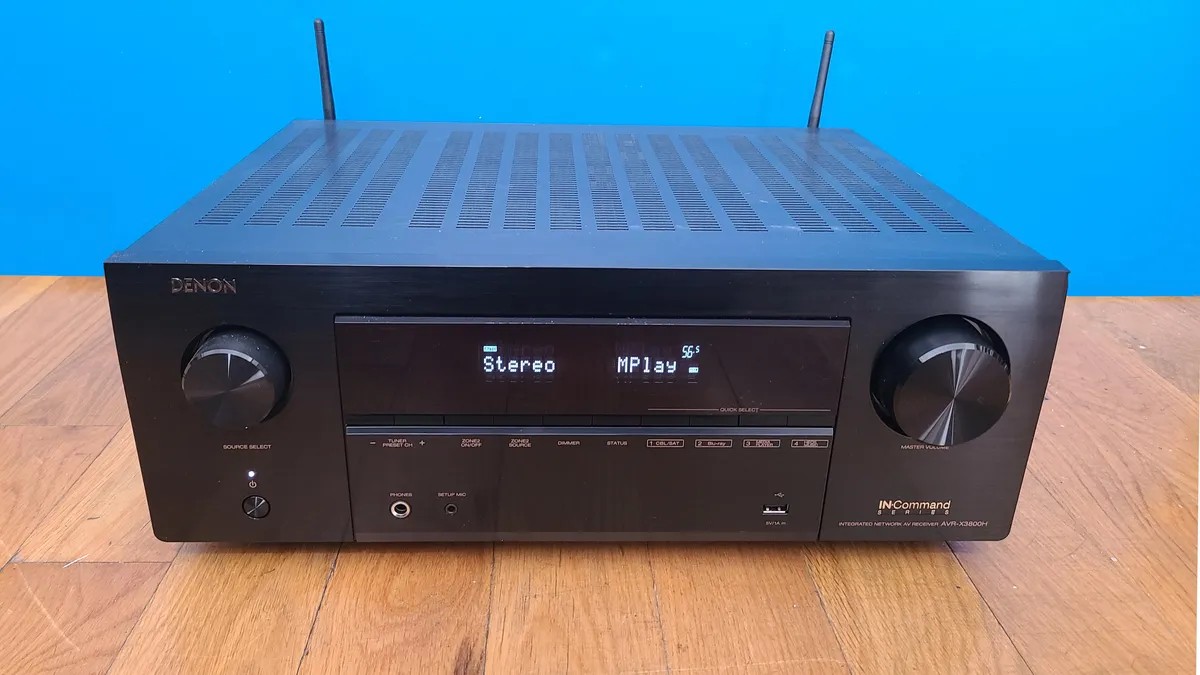
If you’re serious about home theater sound, a dedicated AV receiver and speaker setup will deliver far superior audio compared to even the most advanced soundbars. The market has evolved, with technologies like Dolby Atmos, 8K video, and wireless streaming adding complexity. However, making the right choice doesn’t require getting lost in the tech details. This guide focuses on the essential factors to consider when buying an AV receiver in 2026.
Understanding the Core Requirements
The primary job of an AV receiver is to decode audio and video signals and power your speakers. Modern receivers handle 4K, 8K, HDR, and immersive audio formats. The key isn’t necessarily chasing the latest specifications but understanding which features matter most for your setup.
HDMI Connectivity: This is the most critical factor. The more HDMI inputs, the better. Given the proliferation of streaming devices, gaming consoles, and Blu-ray players, having at least six ports is recommended. Even if you think four is enough, future-proofing with extra connectivity is a smart move.
8K and HDMI 2.1: While 8K TVs are still niche in 2026, HDMI 2.1 support is valuable for gamers. It enables 4K gaming at 120Hz with Variable Refresh Rate (VRR), providing smoother, more responsive gameplay. If you’re a serious gamer, this is a must-have. Otherwise, it’s less critical.
Wireless Features: Convenience and Flexibility
Modern AV receivers offer wireless connectivity via Wi-Fi, Bluetooth, AirPlay, and Google Cast. These features add convenience, allowing you to stream music directly from your smartphone or tablet.
- Bluetooth: Universally compatible but with slightly reduced audio quality.
- AirPlay: Apple-exclusive, delivering lossless CD-quality audio but requires a network connection.
- Google Cast: Compatible with Android and iOS, offering high-resolution audio streaming.
Built-in support for these technologies eliminates the need for external adapters, simplifying setup and operation.
Sound Quality: Don’t Overthink It
Despite manufacturer claims, audible differences between typical AV receivers are minimal. The quality of your speakers will have a far greater impact on overall sound quality. Focus on getting a receiver with enough power to drive your speakers adequately rather than obsessing over subtle sonic nuances.
Upgrade Wisely: Is It Worth It?
If you already own a functional AV receiver, upgrading may not be necessary. Unless you’re missing out on essential features like HDMI 2.1 or 8K support, the improvements may be incremental.
If an upgrade is in order, consider these options:
- Connecting Sources Directly to TV: Use your TV as a switcher and pass audio to the receiver via eARC. Some TVs may downmix audio to stereo, so confirm compatibility beforehand.
- Second-Zone Audio: 7.1 receivers can power speakers in a second room. However, digital sources are typically limited to the main zone, making it less versatile.
Key Takeaways
When selecting an AV receiver in 2026, prioritize HDMI connectivity, wireless features, and compatibility with your existing equipment. Avoid overspending on marginal sound quality improvements. The best receiver is the one that meets your needs without unnecessary complexity. The market offers many similar devices, but the right choice will elevate your home theater experience without breaking the bank.