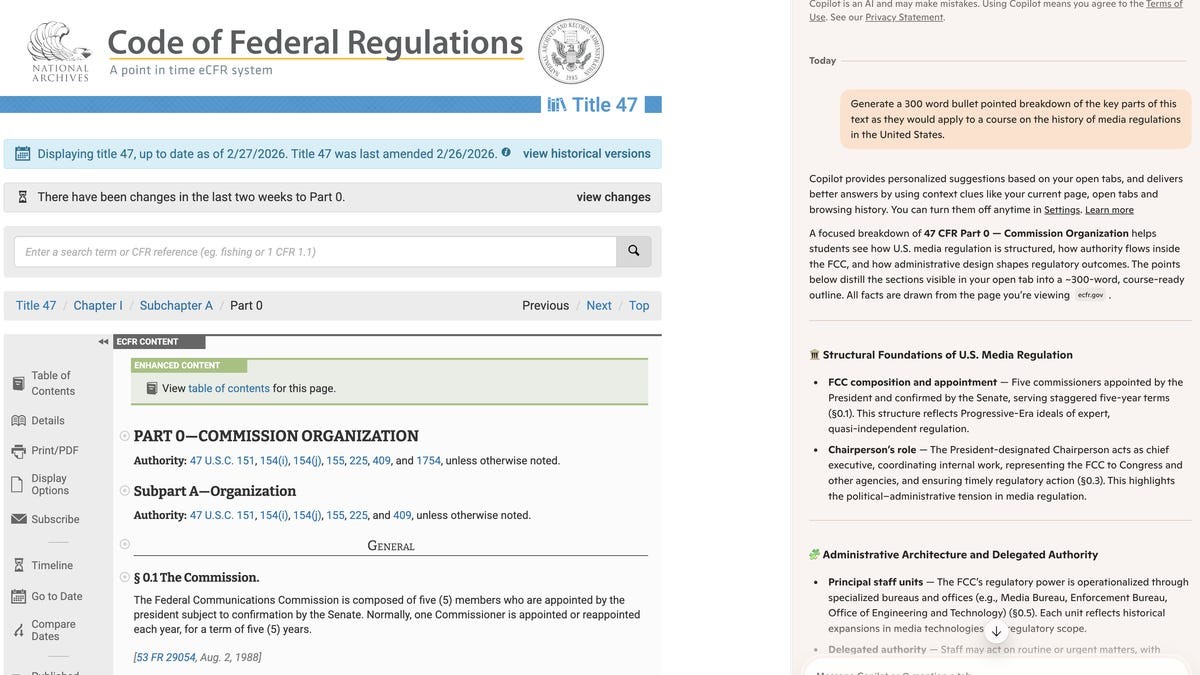
Spring break is synonymous with freedom: travel plans finalized, outfits curated, and anticipation running high. However, the shadow of looming homework and exams often casts a pall over the excitement. For many students, the challenge isn’t just completing assignments during break, but retaining knowledge after a week of relaxation. Fortunately, artificial intelligence offers practical tools to streamline study efforts, though with caveats.
AI-Powered Review: Cutting Through the Noise
Post-break mental clarity is often low. Whether from exhaustion or sheer disengagement, revisiting dense course material feels like torture. AI solutions like Microsoft Copilot can rapidly analyze large documents – including regulatory texts or complex academic papers – and distill them into easily digestible summaries. This bypasses the tedious process of rereading entire chapters, offering a focused overview of key takeaways.
The effectiveness hinges on precise prompting. Broad requests yield broad responses. A focused question, such as “Summarize the main arguments in FCC regulations regarding net neutrality,” will produce far more valuable output than a vague instruction. Copilot can even structure information into interactive flashcards for efficient memorization.
Curated Note Reinforcement: Bridging the Knowledge Gap
Many students’ notes are either meticulously detailed or haphazard scribbles. Either way, revisiting them after a break feels unappealing. AI platforms like Google Gemini can ingest existing notes, cross-reference them with exam scores, and identify critical gaps in understanding.
This isn’t about replacing effort; it’s about optimizing it. Gemini can generate new notes tailored to weak areas, focusing attention where it’s most needed. Furthermore, its “Guided Learning Tool” simulates a tutor-student interaction, posing questions to reinforce concepts like memorizing the Japanese katakana.
The Essential Caveat: AI Hallucinations
While AI tools streamline study, they aren’t infallible. Large language models (LLMs) are known to “hallucinate” – generating incorrect or misleading information. Double-checking AI-generated summaries, flashcards, or notes is non-negotiable. Relying on unchecked AI output could lead to wasted study time or even incorrect exam answers.
The goal isn’t to outsource learning entirely, but to use AI as a supplement. It can condense information, personalize study plans, and simulate interactive learning environments, but human oversight remains crucial.
Ultimately, AI can help students navigate the return to academics without sacrificing their break. By leveraging these tools strategically – and verifying their outputs – students can maximize efficiency and minimize stress.