For millennia, malaria was a brutal, inescapable reality for billions. Today, that is changing. While the disease still claims nearly 600,000 lives annually—primarily young children in sub-Saharan Africa—global progress since 2000 demonstrates that eradication is no longer a distant dream, but a viable goal. However, recent stagnation in malaria control highlights a critical challenge: scientific breakthroughs alone are insufficient without sustained funding and political commitment.
The History of Progress
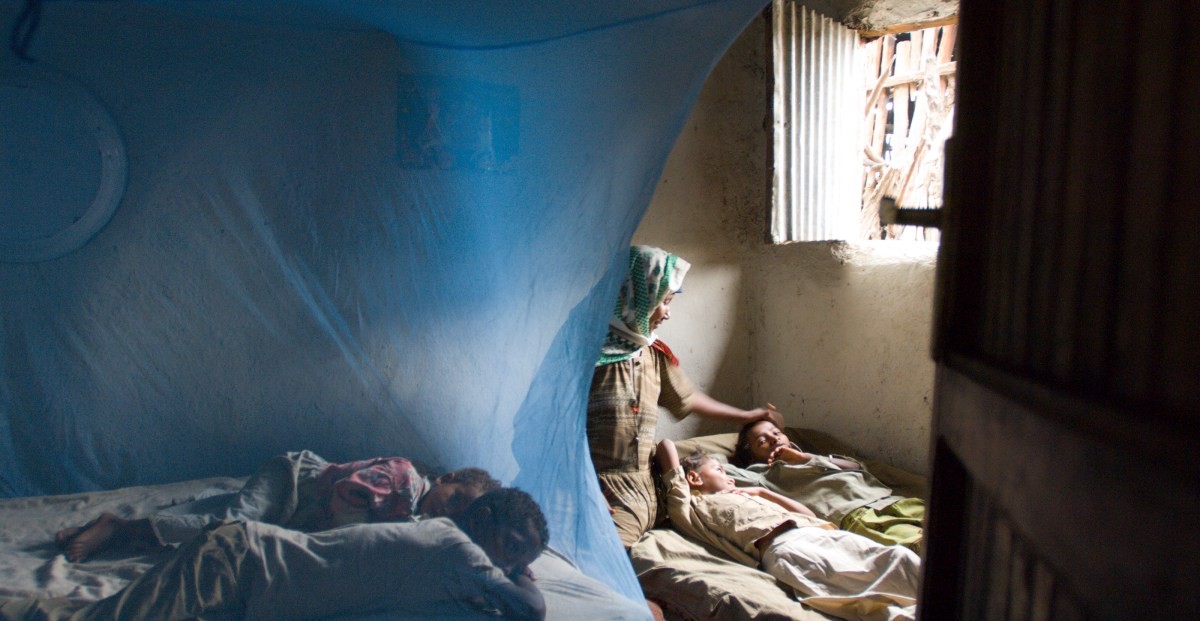
Between 2000 and 2023, malaria prevention and treatment programs averted an estimated 2.2 billion cases and 12.7 million deaths. Nations like China, Sri Lanka, and Paraguay have been officially certified as malaria-free, with others reporting dramatically reduced infections. A child born in Africa today faces a significantly lower risk of dying from malaria than one born just two decades ago. This shift is a direct result of focused international efforts: insecticide-treated bed nets, artemisinin-based combination therapies (ACTs), and improved diagnostic tools.
Recent Setbacks
Despite these successes, progress has stalled since the mid-2010s. Mosquitoes are evolving resistance to common insecticides, and the malaria parasite itself is showing increasing resistance to established medications, particularly in East Africa. Climate change further complicates matters by extending transmission seasons and expanding mosquito habitats. The COVID-19 pandemic also disrupted critical prevention campaigns, leading to a rebound in cases.
In 2023, there were 263 million malaria cases and 597,000 deaths—a slight increase from the previous year, signaling a dangerous plateau. This stagnation is not a scientific failure, but a logistical and financial one.
New Weapons in the Fight
Fortunately, the fight is far from over. Recent breakthroughs offer renewed hope:
- GanLum: A new treatment combining ganaplacide and lumefantrine demonstrates a 97.4% cure rate, even against partially drug-resistant strains. Novartis plans to make it available on a not-for-profit basis in endemic countries.
- Malaria Vaccines: Two vaccines, RTS,S/AS01 and R21/Matrix-M, have shown promising results in pilot programs. R21, developed by the University of Oxford and the Serum Institute of India, is particularly scalable and affordable, with plans to produce 100 million doses annually.
Over 20 African countries are already integrating these vaccines into routine immunization schedules, potentially saving over 100,000 young lives in the coming years. These advances demonstrate that effective tools exist to accelerate malaria elimination.
The Political and Financial Bottleneck
The primary obstacle to further progress is not scientific, but political and financial. The World Health Organization (WHO) estimates that global malaria funding remains several billion dollars short of what’s needed to meet international targets. Declining or stagnant funding from wealthy nations—including past attempts to cut US aid programs like the President’s Malaria Initiative—directly impacts on-the-ground interventions.
When funding falls short, fewer mosquito nets are distributed, frontline clinics run out of tests and medications, and vaccine rollouts are delayed. Researchers estimate that underfunding could lead to millions of additional cases and tens or hundreds of thousands of preventable deaths by 2030. In essence, malaria’s resurgence in some regions is a direct consequence of budgetary shortfalls.
Malaria is now more solvable than ever. The remaining barriers are political and financial. Whether the disease continues to claim hundreds of thousands of lives each year, or resumes its decline, is a matter of choice.