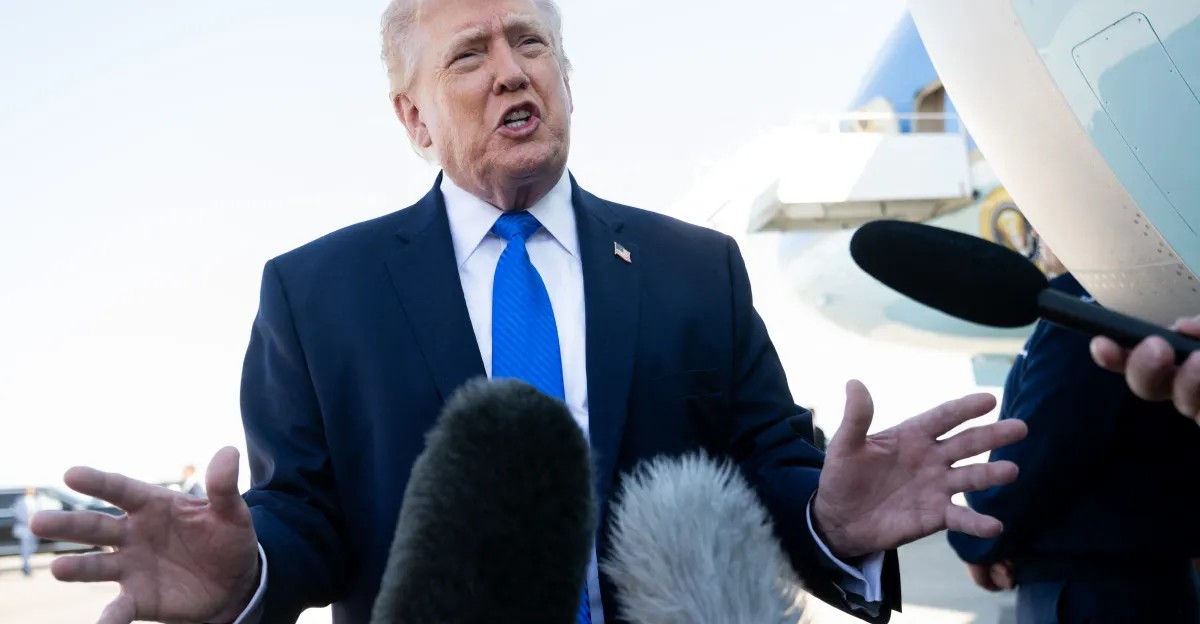
President Donald Trump is actively complicating negotiations to fund the Department of Homeland Security (DHS), including the Transportation Security Administration (TSA), by insisting unrelated voter ID legislation be included in any deal. This standoff risks prolonging a partial government shutdown that has already caused disruptions at airports, with TSA workers facing unpaid leave and potential staffing shortages.
DHS Shutdown and Airport Chaos
The ongoing DHS shutdown means TSA employees are not being paid, leading to increased absenteeism and longer security lines at airports. Lawmakers are attempting to reach a funding agreement before the Easter recess, but progress is hampered by partisan disagreements and Trump’s intervention. Senator Angus King (I-ME) has already dismissed a Republican DHS proposal as “illusory,” signaling deep divisions.
Trump’s Unrelated Demands
Trump is demanding that lawmakers pass the SAVE America Act alongside DHS funding. This bill would impose stricter voter ID requirements, including proof of citizenship for registration and restrictions on mail-in voting. He has also introduced unrelated demands, such as bans on transgender athletes and medical care for minors, further complicating the negotiations.
Path to Passage
The SAVE America Act faces an uphill battle in the Senate, despite passing the House last month. While Republican senators are attempting to advance the bill under pressure from Trump, its prospects of passage remain slim. The main obstacle is not the bill’s content but its deliberate obstruction of DHS funding.
Implications for Travelers
Without a funding agreement, airport security lines are likely to worsen, and disruptions could escalate. The fate of TSA funding now hinges on whether Trump will allow his political demands to derail a critical government function. If a deal is reached, the question remains whether he will accept it or continue to leverage the situation for his own agenda.
“Any deal they make, I’m pretty much not happy with it,” Trump stated, indicating his willingness to prioritize political gains over operational stability.
The current standoff highlights a broader trend of using essential government functions as bargaining chips for unrelated policy objectives. This approach raises concerns about the stability of critical infrastructure and the reliability of political negotiations.
The situation remains fluid, but one thing is clear: Trump’s insistence on linking DHS funding to his unrelated legislative priorities will continue to disrupt government operations and potentially compromise national security.