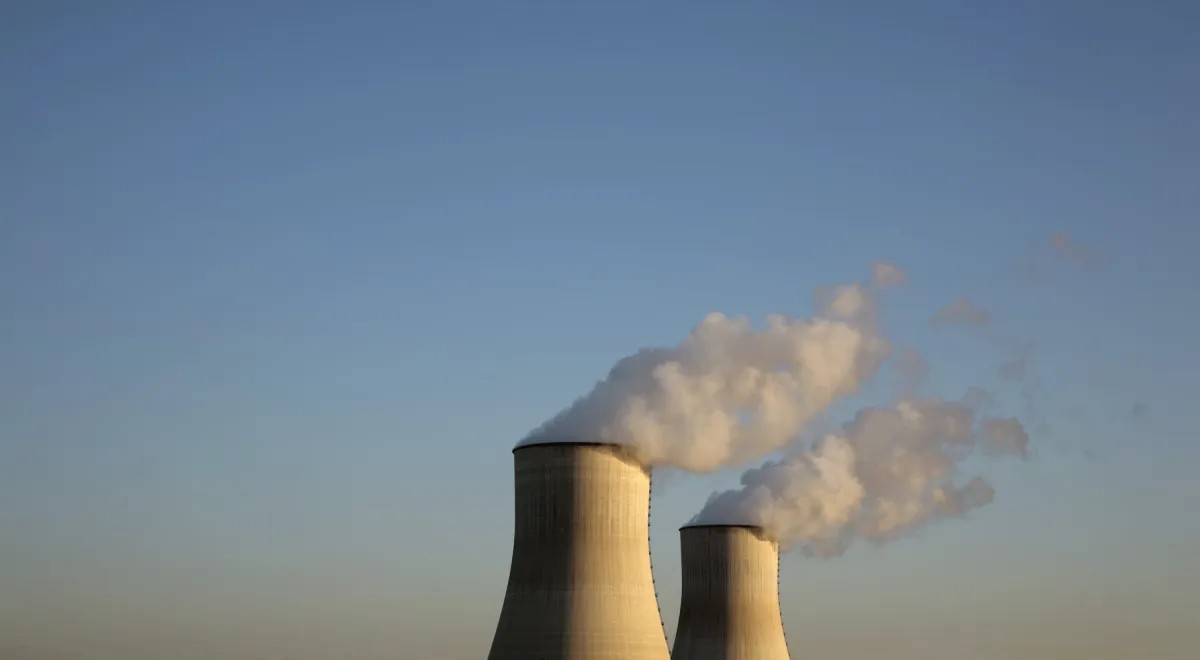
Nuclear energy startup X-energy has officially launched its investor roadshow, aiming to raise up to $800 million through an initial public offering (IPO). According to recent filings with the U.S. Securities and Exchange Commission (SEC), the company has set a target price per share between $16 and $19. If the offering reaches its upper limit, X-energy could secure approximately $814 million in new capital.
The Driving Force: AI and Electrification
The timing of this IPO aligns with a global resurgence in interest regarding fission power. This shift is driven by two primary factors:
– The AI Boom: The massive energy requirements of artificial intelligence data centers are straining existing power grids.
– Societal Electrification: The transition toward electric vehicles and renewable energy integration is creating a surge in baseline electricity demand.
Amazon has emerged as a critical player in this ecosystem. As one of X-energy’s largest backers, the tech giant led a $500 million Series C-1 funding round and has committed to purchasing up to 5 gigawatts of nuclear power from the company by 2039.
Technological Innovation and Legal Hurdles
X-energy is betting on a specific type of technology: the high-temperature, gas-cooled reactor. Unlike traditional designs, this system uses helium gas to cool uranium encased in ceramic and carbon spheres.
A key component of this design is TRISO fuel. This specialized fuel arrangement is engineered to be significantly safer than conventional methods, though it has yet to achieve widespread commercial adoption.
However, the path to market is not without friction. X-energy is currently involved in a patent dispute regarding fuel fabrication. The conflict involves assets from the recently bankrupt Ultra Safe Nuclear Corporation (USNC), now operating as Standard Nuclear. X-energy alleges that its patents were infringed upon, a matter that remains unresolved following USNC’s bankruptcy proceedings.
The Challenge of Scaling Small Modular Reactors
X-energy belongs to a new generation of startups attempting to revitalize the nuclear sector by developing Small Modular Reactors (SMRs). While traditional nuclear projects have historically been plagued by massive cost overruns and delays, SMR proponents believe that smaller, more standardized designs can bypass these hurdles.
Despite the optimism, the industry faces significant “growing pains”:
1. The Proof of Concept Gap: No SMR startup has successfully built and operated a full-scale power plant yet.
2. The Manufacturing Hurdle: To lower costs, these companies must move from “first-of-a-kind” reactors to “Nth-of-a-kind” mass production. X-energy estimates that mature manufacturing could reduce costs by 30%, but achieving this scale typically takes a decade.
3. Economic Viability: There is a delicate balance between the number of reactors planned and the volume required to achieve true economies of scale.
The ultimate success of X-energy may hinge on a single metric: the cost of its very first reactor. This initial deployment will serve as the litmus test for whether their modular model can actually compete with traditional energy sources.
Conclusion
X-energy’s IPO represents a high-stakes attempt to capitalize on the intersection of AI energy needs and nuclear innovation. While the company has strong backing from tech giants like Amazon, its long-term success depends on navigating patent disputes and proving that small-scale modular reactors can be manufactured profitably at scale.