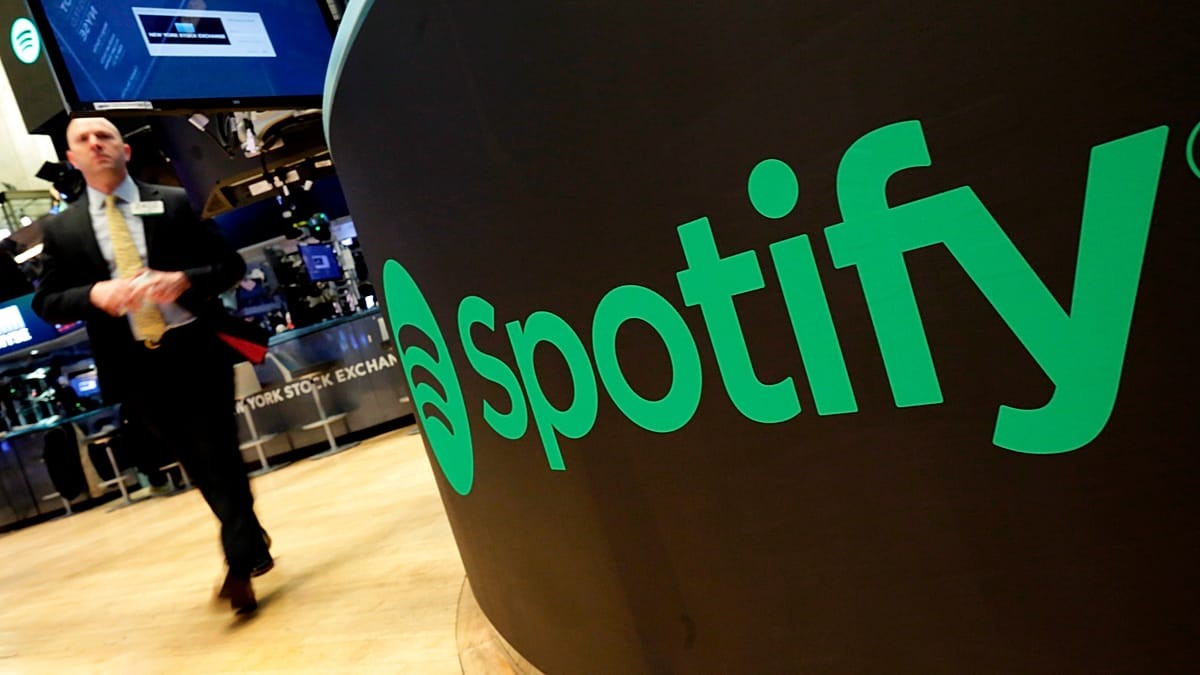
Streaming giant Spotify confirmed a significant data breach Monday, as a pirate activist group announced the release of metadata for nearly its entire music catalog. The unauthorized scraping of 256 million tracks and 86 million audio files – representing 99.6% of all listens – raises questions about digital rights management (DRM) effectiveness and the future of music archiving.
How the Breach Occurred
The activist group, operating through the open-source search engine Anna’s Archive, claims to have circumvented Spotify’s DRM measures to extract the data. According to their blog post, the archive includes music uploaded to the platform between 2007 and 2025, totaling almost 300TB of information. The group describes this as the “world’s first ‘preservation archive’ for music” intended to be freely mirrored and distributed via peer-to-peer networks.
Spotify acknowledged the breach, stating it has disabled the accounts responsible for the scraping and implemented new security measures. The company insists no non-public user data was compromised, with only public playlist information being affected.
Why This Matters: Preservation vs. Copyright
The incident highlights a growing tension between digital rights management and the movement to archive cultural content. Anna’s Archive, previously focused on preserving books, frames the Spotify scrape as a necessary step toward long-term music preservation.
However, the reality is far more complex. While the data could theoretically allow anyone to replicate Spotify’s library, legal repercussions from copyright holders would be swift and severe. The bigger concern lies in how this data may be exploited by AI companies. As Yoav Zimmerman, CEO of Third Chair, pointed out, the breach dramatically lowers the barrier to training AI models on modern music at scale. The only obstacle now is copyright enforcement.
Spotify’s Response and Future Implications
Spotify maintains it actively collaborates with industry partners to protect intellectual property. The company reiterated its commitment to supporting the artist community against piracy. Despite these assurances, the breach underscores the inherent vulnerabilities of centralized streaming platforms.
The incident serves as a stark reminder that while DRM can slow down unauthorized access, it cannot eliminate it entirely. The scraped data now exists in decentralized form, posing a persistent challenge to copyright enforcement in the digital age.