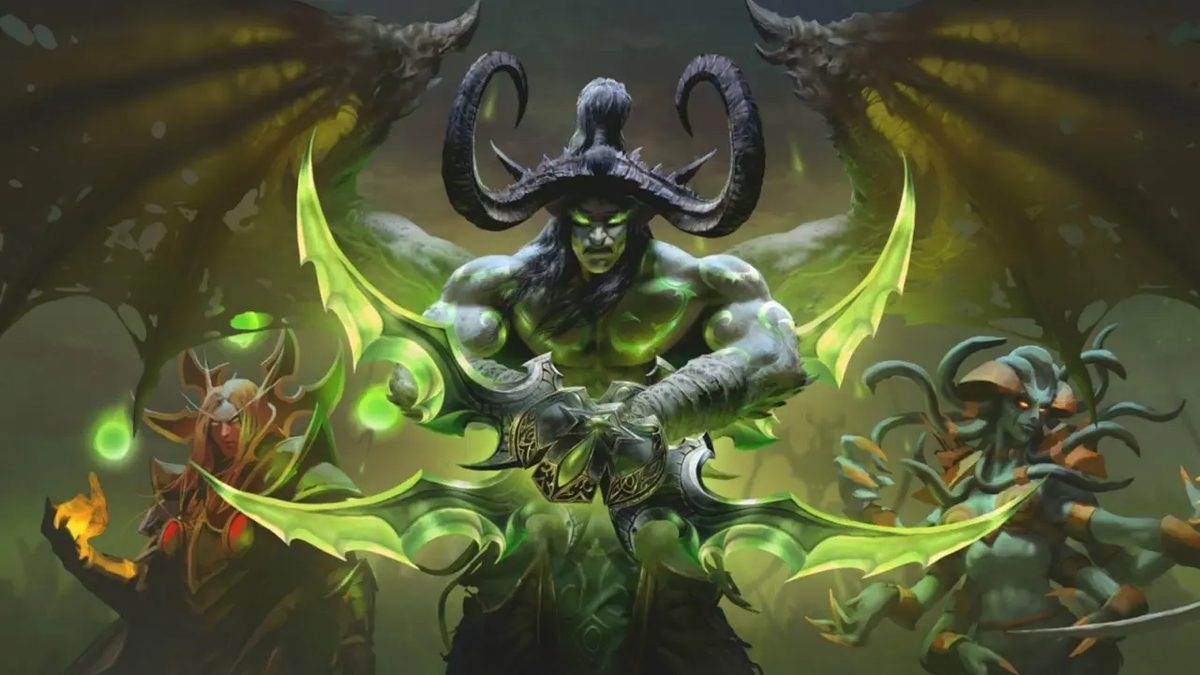
An MMORPG is a multiplayer online role-playing game. Thousands of players live in a continuous virtual world. Build your character there. It has strong roots in tabletop RPGs. The environment never stops. The server will continue to operate even if you log out. The world goes on without you. You may notice that your hometown has changed. Or someone has used your usual loot spots. This is the core definition of a massively multiplayer role-playing game.
The community drives the experience
Traditional RPGs focus on the main task. You finish it. You win. The story is over. MMORPGs reject this linear structure. The flow of the game is created by the interaction of the players. Not scripted. It is social. The developers change tasks every month. The difficulty increases over time. This forces the players to adapt.
Alliances form naturally. Guilds are essential to survival. You can customize your avatar extensively. Some games also allow players to create content. You can play it even if you don’t like combat. Open a shop in the village. Conduct transactions with other users. You contribute to the economy. You make the world feel alive.
In-game economy and real money
These games have an internal economy. Players earn virtual currency through adventures. They buy things. They buy power-ups. Some games allow real money transactions. This happens when you run out of virtual funds. This is controversial but common.
Next is the “Farmer”. These players can level up another person’s character. They work while their employer sleeps. They accumulate resources for a fee. Add a layer of world labor to the virtual space. The line between play and work is blurring.
Why MMORPGs are important now
These are more than just games. These are social platforms disguised as entertainment. Permanence creates continuity. It builds a long-term investment. Players care because the world affects their progress. They contribute to the community in the same way that mechanics do.
Which games define the genre? Which economies are most stable? How do developers balance free-to-play and pay-to-win? The answers shift with every update. The genre adapts. The players drive it forward. There is no final level. Only the next login.