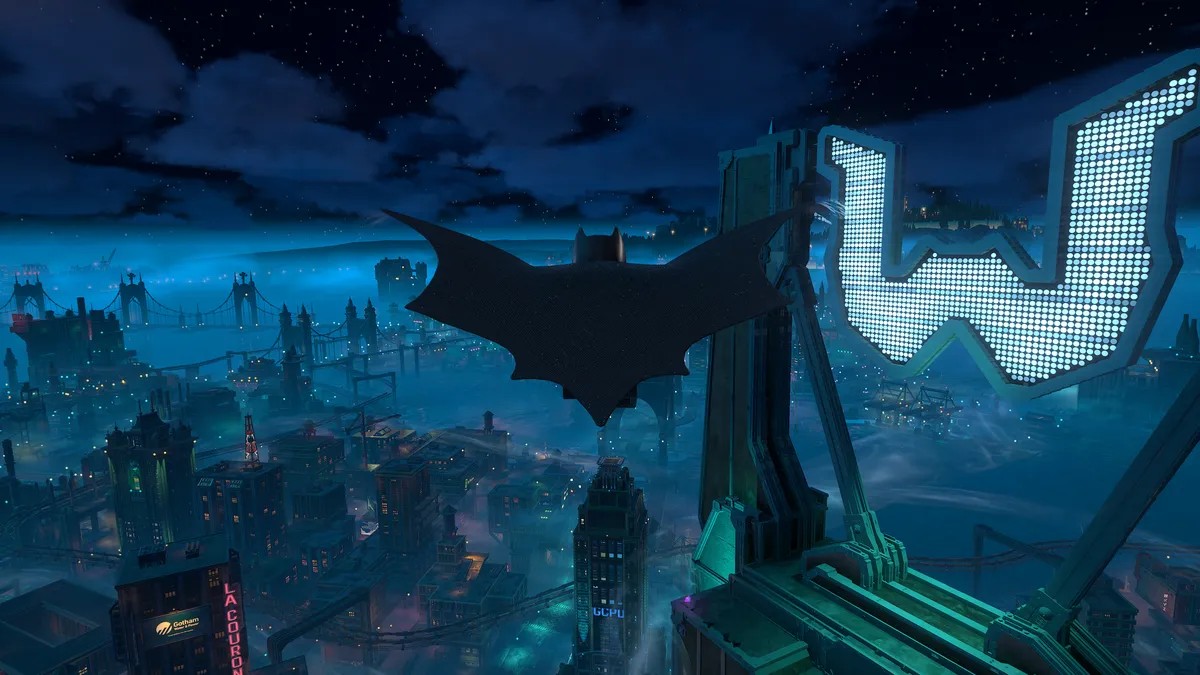
Lego Batman: Legacy of the Dark Knight represents a significant evolution for the franchise, merging the lighthearted charm of brick-based gameplay with a deep respect for the Caped Crusader’s nearly nine-decade history. Developed by Traveller’s Tales, the game does not merely replicate Batman’s adventures in plastic; it attempts to synthesize decades of comics, films, and television into a cohesive narrative that honors the character’s core themes while remaining accessible to families.
A Serious Approach to Playful Mechanics
While the game retains the slapstick humor and colorful aesthetics typical of Lego titles, Traveller’s Tales has treated the source material with unexpected gravity. Jonathan Smith, strategic director at TT Games, emphasizes that the game is rooted in the transformative journey of Bruce Wayne—turning personal trauma into a mission for justice. This philosophical underpinning ensures that the narrative retains emotional weight, even when presented through the lens of playful animation.
The combat system reflects this seriousness, drawing heavy inspiration from Rocksteady Studios’ critically acclaimed Arkham series. Unlike earlier Lego titles that prioritized simple brawling, Legacy of the Dark Knight features fluid, responsive fighting mechanics. Players can execute well-timed counters and takedowns, allowing for a more tactical engagement with enemies that mirrors Batman’s proficiency in hand-to-hand combat.
An Immersive Gotham City
The open-world design marks a major step forward in environmental storytelling. Smith describes Gotham City as a “dense playground” filled with surprises, side missions, and traversal opportunities. This approach moves beyond the linear levels of past Lego games, offering an expansive map that encourages exploration. The city serves not just as a backdrop, but as an interactive component of the progression system, rich with references to the character’s lore.
Blending Eras Through the Lego Lens
The game’s narrative structure is its most ambitious feature. Rather than focusing on a single era, Legacy of the Dark Knight we together storylines from various mediums, including Batman Begins, The Batman, Tim Burton’s 1989 film, and classic comic arcs like The Long Halloween and Nightfall.
This multiversal approach allows for creative juxtapositions. For instance, the game adapts the tragic death of Dick Grayson’s parents—a pivotal moment in Batman lore—with a lighter touch, showing him as an acrobat teaming up with Batman before his transformation into Robin. While the tone remains family-friendly, the game ensures that key plot points, such as the murder of Bruce Wayne’s parents, retain their narrative significance.
“A Lego world can’t help but be fun, and the drama and the darkness is transformed when it enters that world. It still has power; it still has meaning,” says Smith.
Nostalgia and Discovery
For longtime fans, the game is a treasure trove of Easter eggs. Players can unlock costumes from obscure comic eras, such as the bizarre Zur-En-Arrh arc, and drive Batmobiles from different film adaptations. The developers have secured licenses for iconic moments, including Prince’s soundtrack from the 1989 film and a Lego-ified version of the Batman: The Animated Series intro.
These elements serve a dual purpose: they reward dedicated fans with nostalgic hits while introducing new players to the breadth of Batman’s mythology. As Smith notes, the goal is to remind audiences of the richness of the story while bringing archived moments back into the spotlight.
Conclusion
Lego Batman: Legacy of the Dark Knight successfully bridges the gap between playful accessibility and narrative depth. By integrating robust combat mechanics, an expansive open world, and a comprehensive timeline of Batman’s history, Traveller’s Tales has created a title that honors the character’s legacy while delivering the fun, creative experience expected from the Lego brand.