Grounded.
That is the current status of SpaceX’s biggest bet. The FAA called a stop after an incident on the latest test flight. It wasn’t a total failure but it wasn’t smooth either.
The 22 May Starship Flight 12 resulted in a mishap.
That’s what regulators said. And when they say mishap, flights halt until an investigation clears the air.
A splashdown gone hard
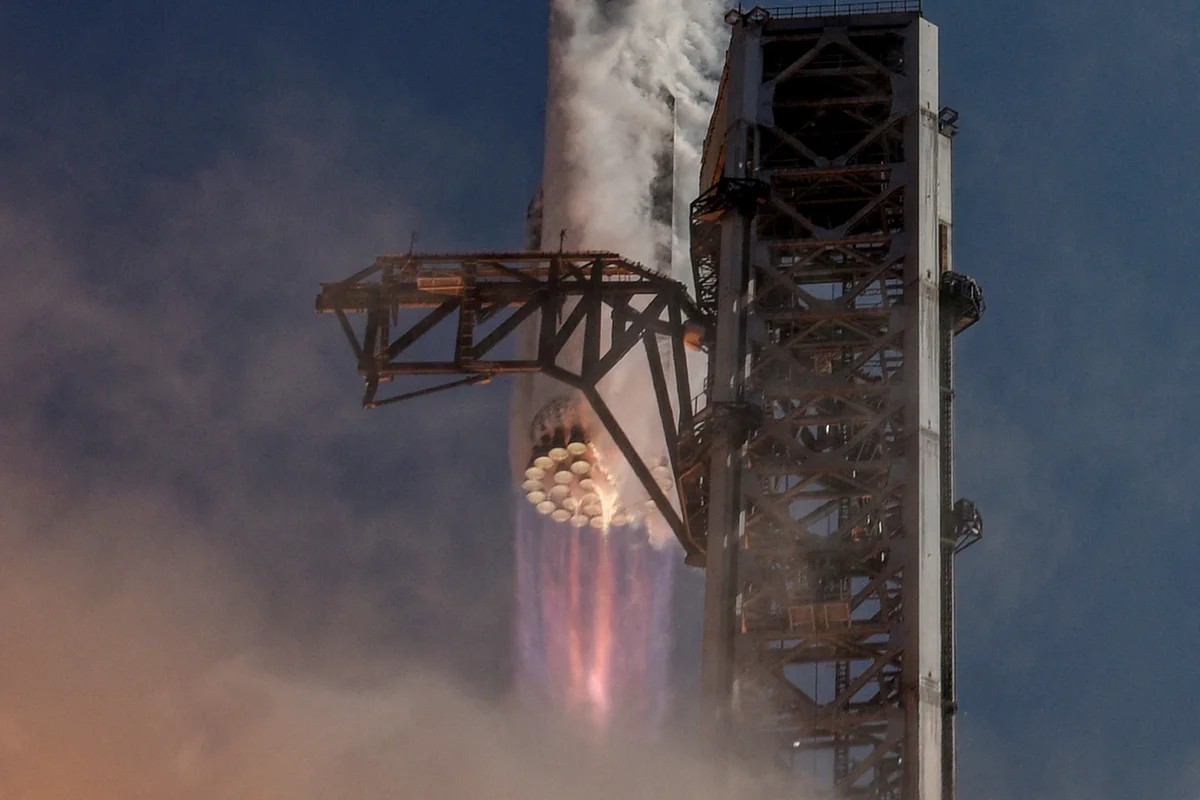
Here is what happened. Starship launched from Texas on May 22. It worked. The upper stage flew out and did its job. It even managed a controlled landing in the Indian ocean. Impressive stuff.
But the booster didn’t fare as well.
The Super Heavy first stage came back down into the Gulf of Mexico. Only one engine lit. Out of thirty-three. You do the math.
It hit the water like a hammer. The impact was so violent that the FAA classified the event as a formal mishap. Not a minor hiccup. A safety review is now mandatory before anyone else touches a switch.
Why it matters
Size counts.
Fully stacked, this beast is over 124 meters tall. It dwarfs NASA’s Saturn V by ten meters. We are talking about alien-level technology here, in Elon Musk’s own words. And complex tech breaks. Often.
The goal? Humans on the moon again. Part of the Artemis program. But the timeline keeps slipping. The first crewed lunar return is now scheduled for 2028. It was supposed to happen in 2024 back in a more optimistic era.
Ready or not? Apparently not yet. The rocket development lags behind the agency’s original hopes. This splashdown incident just adds another line to the delay report.
Waiting game
Fix it first. Get approval second. Fly third.
SpaceX must present corrective actions to the FAA. Regulators need assurance that no system or procedure puts public safety at risk. It is a bureaucratic wall between now and the next launch.
No easy answers. No quick fixes. Just more engineering. And time.
Will Starship be ready next month? Or will 2028 feel further away than ever?