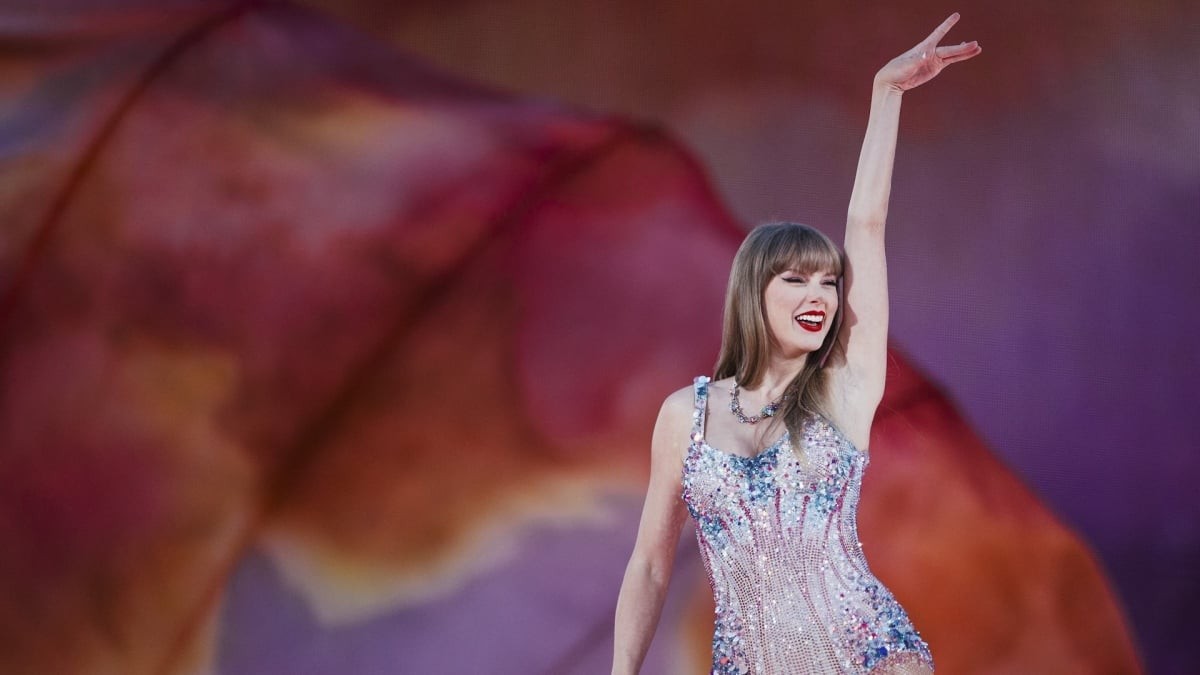
Pop superstar Taylor Swift has taken a significant step toward securing her digital identity. Recent filings with the U.S. Patent and Trademark Office reveal that Swift—via her company, TAS Rights Management—is seeking to trademark her voice and image.
The applications include specific audio clips, such as “Hey, it’s Taylor Swift” and “Hey, it’s Taylor,” alongside a photographic representation of her performing onstage. This move follows a similar precedent set by actor Matthew McConaughey earlier this year, signaling a growing trend among high-profile celebrities to treat their very likeness as protected intellectual property.
Why This Matters: The Battle for Identity
This is not merely a branding exercise; it is a strategic legal maneuver designed to combat the rising tide of AI-generated deepfakes. For years, Swift has been a primary target of nonconsensual AI content.
The implications of these technologies have moved from digital nuisances to serious societal harms:
– Personal Dignity: In early 2024, highly sexualized, AI-generated images of Swift went viral on X (formerly Twitter), garnering hundreds of millions of views and sparking massive public outcry.
– Digital Impersonation: By August 2025, unauthorized chatbots on Meta platforms were reportedly impersonating Swift and other celebrities to engage in inappropriate interactions.
– Political Manipulation: The misuse of AI extends into the political arena. In August 2024, deepfake content was used to falsely suggest Swift’s endorsement of Donald Trump, demonstrating how “digital clones” can be weaponized to sway public opinion.
The Regulatory Vacuum and Platform Accountability
Swift’s move highlights a critical gap in current digital protections. While platforms are increasingly being scrutinized, the technology often moves faster than the law.
The platform X has faced intense scrutiny regarding its AI tool, Grok, which has been linked to the creation of violent and sexualized deepfakes. This has led to global investigations across the UK, Europe, Australia, and Asia. As of early 2026, X remains under investigation in France for several serious allegations, including the distribution of illegal content and the infringement of image rights. Furthermore, Elon Musk’s xAI is facing lawsuits from minors in California regarding the generation of explicit imagery.
A New Era of “Likeness Law”
We are entering uncharted legal territory. Traditionally, trademarks protected logos and slogans; now, they are being used to protect the human essence —the sound of a voice and the contours of a face.
By trademarking her identity, Swift is attempting to create a clear legal distinction between her “authentic” self and “unauthorized” AI clones. This shift suggests that in the age of generative AI, owning your likeness may become the only way to defend your reputation and personal autonomy.
Conclusion
Taylor Swift’s trademark filings represent a landmark attempt to weaponize intellectual property law against the unchecked rise of AI impersonation. This move sets a precedent for how individuals may fight to reclaim their identities in an increasingly synthetic digital world.