You probably don’t think about the sheer chaos of the open web anymore. It’s easy to forget that there are nearly 150 million active web sites out there. Trying to find what you actually need in that haystack isn’t just hard. It’s monumental.
That’s where Google’s search algorithm comes in. It’s not magic. It’s a complex set of mathematical instructions designed to sort through the noise. Without it, the web would be an unusable mess of dead links and empty pages.
The Mechanics of Ranking
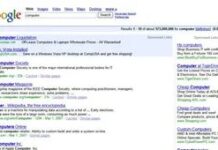
Google’s system works by identifying keywords you type into the search bar. It then hunts down pages containing those terms. But it doesn’t just list them randomly. It assigns a rank to each page.
Several factors influence this rank. One obvious metric is frequency. How many times do those keywords appear? The algorithm looks at density. But it’s not just about stuffing words into a document.
Higher-ranked pages land at the top of the search engine results page (SERP). Theoretically, this means the most relevant links are the first ones you see. If you’re a web administrator, this visibility is everything.
Consider the traffic shift in 2007. Google surpassed Microsoft as the most visited site on the web. That’s a massive surge. For any business or blogger, ranking high on that SERP translates directly to user visits. And visitors are currency.
Spiders and Crawlers
You might wonder how Google knows what’s out there. It doesn’t manually inspect every site. Instead, it uses automated programs called spiders or crawlers.
These bots travel the web relentlessly. They move from link to link, building a massive index. This index includes specific keywords and metadata. When you hit enter, Google references this pre-built library. It matches your query against the index.
These spiders are smarter than simple text scanners. They can distinguish between actual content and redirect sites. Redirect pages exist solely to funnel traffic elsewhere. Google’s crawlers can spot these tricks. They filter out the low-quality redirects to keep results clean.
Placement Matters
Where you put keywords on your page affects your ranking. Google scans the entire document, but some sections carry more weight.
Title tags are prime real estate. Including your target phrase there is a standard best practice. Headings also matter. Larger headings (H1, H2) are more valuable than smaller ones (H3, H6). The algorithm interprets structure as importance.
Dispersal is another key factor. You shouldn’t overuse keywords. Keyword stuffing used to work. It doesn’t anymore. But you should use them regularly. The goal is natural integration. The algorithm looks for coherence, not repetition.
Paid vs. Organic Results
There’s a persistent myth that Google sells its top spots. The company says it won’t do that. Every organic result you see is there because of the PageRank system. That’s a proprietary ranking method we’ll dive into next.
Google does sell ad space. You’ll see these sponsored links above or beside the organic results. They’re clearly marked. Shaded boxes and borders alert you to the difference. The organic results remain untainted by payment.
But does that mean the system is fair? Or just efficient? The line between organic relevance and algorithmic bias is thinner than it looks.
The Hidden Logic of PageRank
The next step in understanding search is looking at the connections. Not just keywords, but votes. Every link to a page is a vote of confidence. But not all votes are equal. A link from a highly rated site counts more than a link from a new blog.
This is the core of PageRank. It’s a patent-pending system that evaluates the authority of a web page based on its link profile. It’s not just about how many links you have. It’s about where those links come from.
If you’re trying to optimize your site, you need to understand this hierarchy. Quality beats quantity. A single link from a major news outlet can outweigh dozens of links from obscure directories.
This logic changes how you build authority. You stop chasing links and start earning them. The algorithm rewards trust. It punishes manipulation.
But here’s the catch. The algorithm evolves. What worked yesterday might not work tomorrow. Google updates its systems constantly. Staying ahead requires more than just knowing the rules. It requires adapting to the changes.
So, what happens when the rules shift? Do you follow the old path or try something new?
How Google’s PageRank Actually Works
The secret sauce behind Google’s dominance isn’t magic. It’s a patented automated process called PageRank. This system dictates where every search result lands on the Search Engine Results Page (SERP). Users rarely scroll past the first page. If you aren’t in the top spots, you’re invisible. The question is simple: how does Google decide who gets those spots?
Nobody knows the exact formula. Google guards the algorithm like a state secret. But the core logic is out there.
PageRank assigns a score to every page. Higher scores mean higher placement. The score isn’t random. It’s largely driven by links.
Think of a link as a vote. If another website links to yours, they’re voting for you. The assumption is straightforward: good content gets linked to more often than trash. But not all votes are created equal.
A vote from a high-authority site carries weight. A vote from a brand-new, unknown blog? Barely matters. This prevents webmasters from gaming the system by creating hundreds of empty sites to link back to their main page. The system penalizes that kind of manipulation.
Then there’s the dilution factor. If a high-ranking page links to five sites, each link is powerful. If it links to five hundred, the voting power is spread thin. Each individual link counts for less. It’s basic economics. Scarcity increases value.
Beyond links, Google looks at context. How old is the domain? Is the keyword placement natural or stuffed? How old are the incoming links? Google tends to trust established sites more than flash-in-the-pan blogs. Age signals stability.
Some folks swear Google uses human testers to manually grade results. Google denies this. They have a network of people to test new formula updates, sure. But they don’t rely on humans to sort and rank the billions of daily searches. It’s all math.
The strategy works. By focusing on the web of links, Google organizes chaos into utility. You can try to trick the system. It’s hard. The only reliable way to get a top spot is to publish content so good that other people want to link to it.
The Role of the Open Directory Project (ODP)
Before the algorithm took full control, there was the Open Directory Project (ODP). It was a massive directory maintained by volunteers. Real people, not bots, categorized sites. Each volunteer oversaw a specific category.
Because a human evaluated each page, the ODP became a trusted database. Search engines like Google used ODP listings as a signal for relevance. Getting listed in the ODP was a massive boost. It often meant immediate visibility on Google.
Today, the landscape has shifted. The ODP is largely defunct or significantly diminished in influence. But the principle remains. Human curation still holds value in specific niches. The move toward automated scraping and AI-driven indexing has changed the game. But for years, the ODP was the gold standard for getting found.
Why This Matters for You
You don’t need to know the math to benefit from it. You just need to understand the incentives. Google wants to show users the best results. It rewards those who provide value.
If you’re a webmaster, stop trying to game the links. Start writing. Write something useful. Write something unique. Let the links come naturally.
If you’re a searcher, remember that the top result is ranked because it has influence. Influence is measured by connections. The web is a graph. Google maps it.
Frequently Asked Questions
How does Google’s ranking algorithm work?
It’s a mix of relevance, content quality, popularity, and backlinks. The system weighs how well your page matches the query against how many other pages vouch for your authority.
Related Articles
- What is a computer algorithm?
- How Google Works
- 10 Useful Google Tools
- How Google Earth Works
- How Google Docs Works
- How Domain Name Servers Work
- How Web Pages Work
- How Web Servers Work
- How Internet Infrastructure Works
- How Internet Search Engines Work
More Great Links
- Search Engine Guide
- SEOmoz
- SEO Today