The telephone has a reputation problem. It is no longer just a tool for connection; for many, it is a vector for harassment. Pushy telemarketers, chatty neighbors, and the pseudo-anonymity of voice calls have turned the device into a weapon. People say things over the phone they would never whisper in person. Pranks. Rants. Spite.
It makes sense, then, that blocking incoming calls has become a top priority. The reasons are varied but the frustration is universal. You might be dealing with persistent salespeople. A telephone stalker. Nagging family. Or an ex who simply refuses to accept the breakup.
Before caller ID existed, answering the phone was a gamble. You opened the line to hope it was good news, or dread it was your landlord. Now, with caller recognition, you have a filter. You can ignore the boss asking for weekend work. You can answer the person you actually want to speak with.
But ignoring the ring is not always an option. What if you want the phone to stay silent? What about calls from anonymous or “unknown” numbers?
The technology to stop these intrusions exists. It works differently depending on whether you are on a mobile network or a traditional landline. Here is how the methods work and which ones fit your situation.
Blocking on Cell Phones
Mobile carriers offer a variety of tools to stop unwanted calls. Most major providers allow you to block specific numbers directly from your contact list or call history. This is the first line of defense. If a number calls you repeatedly, a simple block stops the ring entirely.
However, blocks are tedious if the caller changes numbers. For that, you need network-level features. Most carriers offer “Call Filtering” or “Spam Protection” services. These services use databases of known spam numbers to identify and block potential robocalls before they reach your device.
Some phones also have built-in features. iOS and Android both allow you to silence calls from unknown contacts. This means if a number is not in your address book, it goes straight to voicemail. It is a blunt instrument, but it stops the majority of unsolicited noise.
Blocking on Landlines
Landline blocking is more rigid. You often need to contact your service provider to activate call blocking features. Some providers offer a basic block for up to ten numbers. Others offer more advanced services that can block entire area codes or prefixes.
For anonymous calls, landlines often have a feature called “Anonymous Call Rejection.” When activated, any call that hides its number is automatically blocked. You might see a message saying your call could not be completed as dialed. This is effective against privacy-conscious harassers, but it can also block legitimate callers who use privacy features.
Why It Matters
The goal is not just silence. It is control. In an era of data breaches and aggressive marketing, knowing who is calling you is a form of digital hygiene. Blocking unwanted calls reduces stress. It reclaims your attention. It turns a source of anxiety back into a simple tool.
The technology is not perfect. Determined callers can spoof numbers to bypass blocks. But for the average user, the available tools are sufficient to push back against the noise. The key is knowing which method fits your needs. Do you need to block one number?

Beyond payphones: How landlines deal with noise
If you still have a landline, you don’t have to call your landline every time an unnecessary intrusion occurs. The old guard—your local telephone company has improved its range of services designed to block noise. You can control who answers your calls with Call Blocking, Anonymous Call Rejection and even priority ringing.
However, you are not limited to providers. Electronics retailers have hardware accessories that can be placed on your desktop. There are also murky online market for downloading software that promise similar protection.
The first step? Check your carrier’s website or call your carrier. For example, AT&T presents its options clearly. The easiest way is standard call blocking. The magic happens when you use the code *60 and specify the number to skip. When these numbers arrive, the phone remains silent. The caller will hear a message indicating that the call has been barred.
Other features include anonymous call blocking, which rejects numbers without ID. In addition, personalized ring and Privacy Manager are available to set a unique ringtone for your VIP. The latter plays a “game of chicken”. Unknown callers are asked to identify themselves before the phone rings. You decide if they deserve a response or not.
These services are industry standards, but their names may vary by region. Monthly payments are expected.
Hardware and software options
Do you want to avoid monthly bills? There are external devices that mimic the functions of these operators. Inbound phone call blockers is one such tool. A special code is required for use. Just give this code to the person you really want to talk to.
This is a strict gatekeeping strategy. Random neighbor searches in the directory have not been successful. Companies like Privacy Corps and Digitone sell these call screening kits online and in retail stores.
The zero-budget approach claims that free software does the heavy lifting. These programs connect your phone to your computer and use your computer as a call filter. Some may require additional hardware to run, so read the fine print carefully before downloading.
The Mobile Limitation
手机提供的native protections较少。 根据您的设备和运营商的不同,基本的呼叫阻止可能不是一个选项。 然而,无线提供商已试图弥合这一差距。
AT&T 的 Smart Limits for Wireless 计划最初是为了为青少年设定界限。 它允许父母指定根本无法联系孩子手机的屏蔽号码。 这是针对厌倦了垃圾邮件的成年人的家长控制技术的创造性重新利用。
智能手机也在不断发展。 您现在可以从应用程序商店或一般零售商下载免费和付费的应用程序。 这些smart phone call blockers 提供比传统固定电话功能更精细的控制。
The Legal Shield: Do Not Call Lists
If telemarketers is that intrusive, you probably don’t need technology at all. Government-supported registries are available in the United States and Great Britain.
In Great Britain, the recommended option is Telephone Preference Service (TPS ). All telemarketing calls are covered, including calls from non-profit organizations and political campaigns. This is a blanket shield.
The US Do Not Call Registry is even narrower. Only certain commercial telemarketers are eligible. Political calls and surveys often slip through. In both registries, you can register your home and mobile phone numbers for free.
How Do They Actually Work?
你可能会怀疑。 您的手机如何识别另一端的销售人员? 它有一个可以监听关键字的麦克风吗?
它不是那样工作的。 该技术依赖于来电显示数据和数据库,而不是音频分析。 但这又是一个技术难题了。
How Call Blocking Actually Works
Stopping unwanted calls is simpler than most people realize. It is really just an extension of Caller ID, the system that displays a caller’s number on your screen. But understanding how to block those calls requires looking under the hood at how telephone networks transmit data.
Your phone number acts much like a fingerprint. It is a unique identifier. When you make a call, that number is sent over the line as a series of specific frequency beeps. Even when your Caller ID box flashes “blocked,” the data is still traveling. The phone company is simply hiding it from your view at the caller’s request. Some people pay for permanent privacy services. Others just dial *67 before making a call to mask their identity for that specific transaction.
A call blocker works by listening for those specific numeric signatures. It recognizes the numbers you have flagged as prohibited. Instead of letting the phone ring, the device intercepts the signal. It plays a recorded message telling the caller they have been blocked. Some advanced units can even be programmed to reject the last number that dialed you. This allows you to shut out unknown callers without needing to know their actual phone number. Other screening devices force callers with blocked numbers to identify themselves by pressing buttons if they want to reach you.
The Limits of Call Screening Technology
These devices are not foolproof. Persistent people often find ways to outwit the technology. The most common method is spoofing. This technique alters the number transmitted as the call’s origin. The blocker sees a different number, one that is not on your block list, and lets the call through.
You can also bypass blockers by using a calling card, making a call from a pay phone, or using Voice over IP services like VoIP. These methods change the source of the call enough to confuse standard screening tools. If you are receiving threatening calls, do not rely on technology alone. Contact the police immediately.
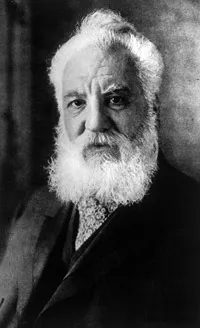
It feels ironic to think about the prevalence of these screening devices. Alexander Graham Bell invented the telephone to improve communication channels. He wanted to connect people across long distances. Now there is a booming market for ways to shut down that channel entirely. We have built sophisticated tools to ensure no one can reach us. What would Bell think of a device designed specifically to ignore him?
Where to Find More Resources
If you need deeper technical details or want to explore related privacy tools, several resources are available. You can look into the National Do Not Call Registry or the Telephone Preference Service for broader opt-out options. For technical understanding, articles on how long-distance calls work or what the digits in phone numbers represent provide useful context. Reverse phone lookup services are also essential for identifying who is on the other end of the line.
The landscape of caller ID and privacy is constantly shifting. As spoofing becomes more sophisticated, the tools used to combat it must evolve as well. The balance between connection and isolation remains a tension point for every user. You might find that blocking a number is only the first step in a larger strategy for managing your digital peace. The calls keep coming. The devices keep improving. And the question of whether we want to be reachable stays just as relevant as it was in the 19th century.