Apple’s iPod didn’t just arrive. It detonated.
Since its launch in 2001, the device has evolved from a simple audio player into a multimedia hub capable of handling photos and video. The architecture behind this empire? Tony Fadell. He didn’t build this in a vacuum. Before bringing the concept to Cupertino, Fadell pitched the idea to Philips and RealNetworks. Both said no. Apple said yes. And the rest is digital history.
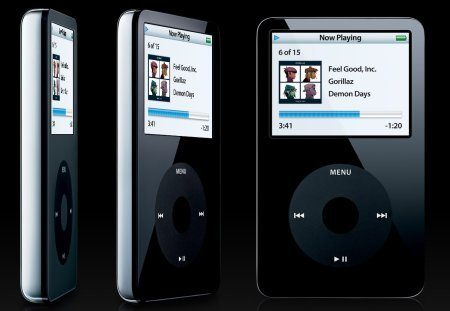
The specs read like a cheat code for the early 2000s. The classic models could store up to 15,000 songs, complete with color album artwork. The 30GB and 60GB variants measured 103.5mm x 61.8mm, with the larger drive adding just 14mm of depth. That bulk hid a 6.35cm TFT display with a brilliant 320×240 pixel resolution. Battery life? Up to 20 hours of continuous playback. The storage capacity wasn’t just for music. You could fit 25,000 photos or 150 hours of video. And if you wanted to take the party to the living room, the optional Dock connected the unit to a TV screen for watching videos or slideshows.
The Hardware Evolution and Apple’s Ecosystem Strategy
Fadell’s vision wasn’t static. Apple’s product line expanded rapidly to capture every demographic. The original iPod featured a mechanical scroll wheel that became iconic. By 2004, the iPod mini arrived. It was smaller. It came in vibrant colors. It dominated the fashion-forward tech market. The mini was eventually replaced by the iPod nano, which pushed the boundaries of thin and light.
Then there was the iPod shuffle. No screen. No complex interface. Just a tiny clip-on device focused on simplicity and shuffle play. It proved you didn’t need a menu to listen to music.
The iPod Classic served as the high-end flagship for years. It was the choice for audiophiles with massive libraries. As storage capacities grew, Apple added photography support, then video playback. But the real pivot was the iPod touch. Running iOS, it merged music playback with the functionality of a smartphone. It gave users access to apps and a broader digital universe.
This wasn’t just about selling hardware. It was about building an ecosystem. The iPods prepared the ground for the iPhone. They created a user base already comfortable with Apple’s sync logic, its interface, and its walled garden. The synergy was intentional.
From Physical Media to Digital Ownership
The iPod launched during a turbulent time for the music industry. The early 2000s saw the rise of MP3s and rampant illegal downloading. The traditional model of selling physical CDs was crumbling. Labels were losing control. Sales were dropping.
Apple saw an opening. The iPod’s success wasn’t just about having 15,000 songs in your pocket. It was about solving the piracy problem. How do you get people to pay for music when it’s so easy to steal it? Make it easier to buy than to steal.
Enter iTunes. Launched in 2001, it was the software backbone. But in 2003, the iTunes Store opened for business. This changed everything. It provided a legal, convenient, and attractive alternative to peer-to-peer networks. Users could buy individual tracks for 99 cents, organize their libraries, and sync everything to their iPod with one click.
This strategy forced the entire industry to adapt. It normalized the concept of owning digital files rather than physical discs. It shifted the power from record stores to digital storefronts.
The Social Impact of Personalized Audio
The impact went deeper than sales figures. The iPod changed how we relate to sound.
Before the iPod, music sharing was often collective. You borrowed tapes. You swapped CDs. You listened together. The iPod made listening intensely personal. You curated your own playlists. You controlled the soundtrack of your daily life.
The device enabled a nomadic existence. You could take your entire library on a commute, a run, or a flight. The battery life allowed for extended periods of isolation from the surrounding world. This individualized consumption altered social dynamics. It created headphones as a barrier to interaction.
It also changed how we think about music catalogs. Music became searchable. Sortable. Taggable. The notion of the “soundtrack” became a real, tangible thing constructed by the user, not the radio DJ.
This shift laid the groundwork for the streaming era. We were already accustomed to carrying thousands of songs, selecting them instantly, and expecting access to a massive library. The infrastructure for infinite choice was built on the iPod’s hard drive.
The hardware eventually stopped. Apple discontinued the last iPod touches in 2022. But the behavior it instilled persists. We still expect music to be instant. We still curate personal playlists. We still separate ourselves with noise-canceling headphones.
Fadell’s rejected idea became the standard. It turned music into data. And data, once freed from plastic and vinyl, never went back.
How the iPod Redefined Digital Music and Mobile Design
The launch of the iPod wasn’t just a product release. It was a pivot point. Before this device, portable music was clunky, fragmented, and often frustrating. The iPod changed that by forcing the industry toward miniaturization. It shrunk hard drive technology and battery life into something you could slip into a pocket. But size wasn’t the only win.
The interface set a new standard for ergonomics. That signature click wheel wasn’t just a nice-to-have. It became an icon of industrial design. Competitors spent years trying to replicate its intuitive navigation. The way it organized music by album, artist, genre, or playlist established the mental model we still use today. Every music app on your phone owes a debt to that specific navigation structure. It made finding a song feel effortless.
The Cultural Shift Toward Personalized Audio
Technically impressive hardware means little without cultural resonance. The iPod succeeded because it tapped into something deeper. It wasn’t just about storing songs. It was about identity. Apple’s marketing stripped away the noise. Clean visuals. White silhouettes. A focus on the personal experience of listening. This campaign positioned the device as a style statement. You wore it. You curated your life through it.
The term “iPod” crossed over into common language. People started using it to describe any digital music player. That level of brand erosion usually signals dominance. It proved the device had entered the collective imagination. It preceded the streaming era but facilitated the habits that define it. It helped users discover new artists. It diversified how people consumed genres. It laid the groundwork for the curated playlists that now drive the music industry.
Enduring Legacy in Modern Tech
Production of the classic iPod has long since ceased. Yet its DNA is everywhere. Look at any modern smartphone. The emphasis on mobility. The demand for simplicity. The need for interactivity and personalization. These aren’t new concepts. They are the core principles that drove the iPod’s development. Apple still clings to them. The rest of the tech industry follows suit, often unknowingly.
The legacy isn’t just in the hardware. It’s in the usage patterns. How we manage digital content today reflects the path the iPod paved. It shifted music from a physical album format to a digital library. It changed consumption habits. It opened the door to an era where content is portable, searchable, and infinitely personalized. The device itself is gone. The framework it built remains. We just don’t notice it anymore because it’s become the default.