The unthinkable has happened. I sleep. Really sleep. And my phone stays five feet away from my head. Hold your applause, it wasn’t easy. Honestly? The Dreamie alarm clock saved me from my own stupidity.
If this reads like bragging about flossing, you probably aren’t the target audience. I am, though. Me and the millions of others who treat our smartphones as externalized, glowing brain tissue. We know it’s bad for us. Blue light ruins melatonin. Doom-scrolling spikes cortisol. I went over a decade keeping my phone at nightstand range—tens of thousands of nights of that toxic attachment. Waking up without it felt like a horror movie premise.
I’m not totally feral, credit where due. Reading paper books helps. It calms the noisy brain. Mostly. My sleep history is messy. Ask my parents about the time we saw the Titanic exhibit and I became convinced I was doomed to icy watery depths. Some nights, a book isn’t enough. I need audio. Podcasts. Audiobooks. Anything to drown out the internal monologue.
Here’s the twist. Dreamie isn’t smart in the AI sense. It’s simple. Too simple, actually. It plays podcasts. That’s it. That’s the magic trick.
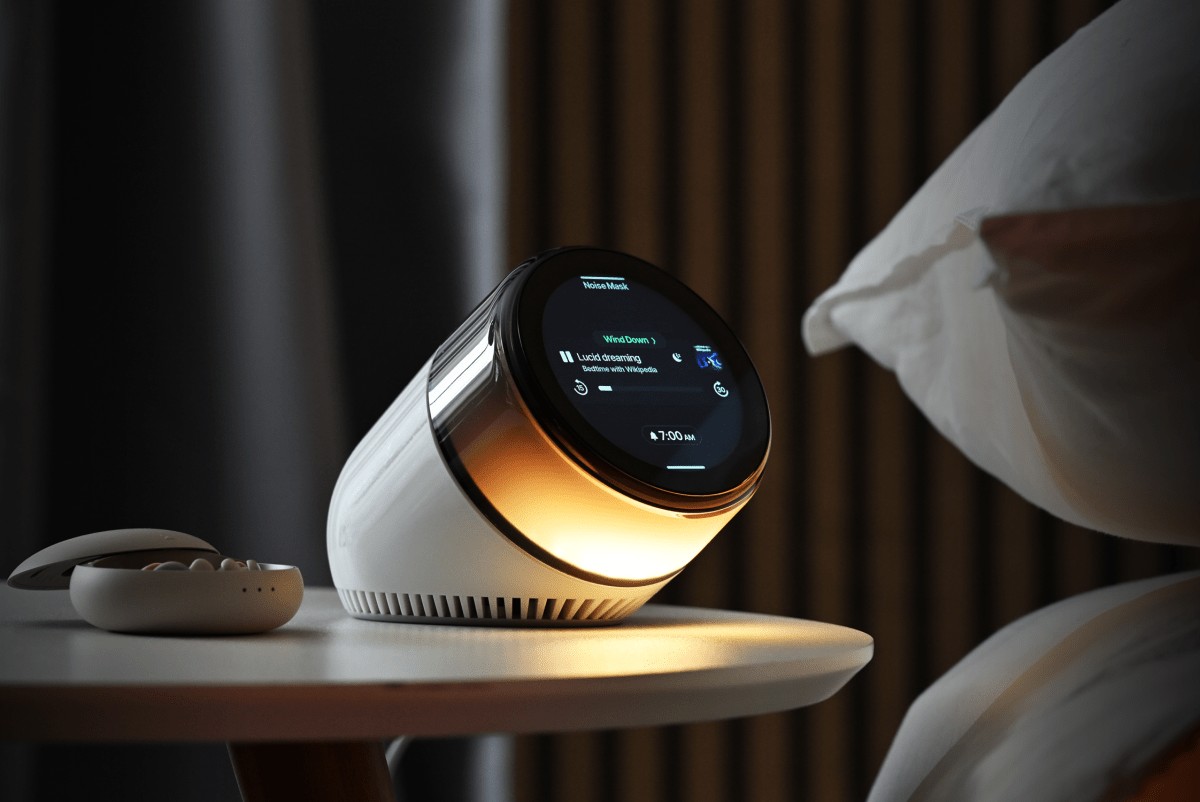
Before we dive into the audio, look at the hardware. It starts in “ambience” mode. Looks like a normal clock. Then it kicks off a routine.
The wind down phase signals bed time. I set it to crackle like a fireplace, warm orange light fading softly. I read for twenty-five minutes. Then, noise mask. Thunderstorm sounds, or rain, or whatever. It keeps playing until sunrise light takes over. Slow, brightening glow until your alarm fires. No sound option exists too, for those who prefer silence.
The killer feature is Back to Sleep mode. You wake up at 3 AM. Panicky. Usually, I’d grab my phone. Swipe down. Check notifications. Oh, work email. Oh, Twitter. Now it’s 5 AM and I’m wide awake. With Dreamie, you press a button. Pre-set audio starts. No scrolling. No decisions. Just sound.
The open internet still breathes, mostly through RSS feeds.
That’s how the tech works. Wi-Fi pulls podcasts directly via RSS. No app. No wall. It’s embarrassing how useful that is. Millennials have a reflex to check notifications first. Dreamie bypasses that. You listen to nerds argue about baseball stats while your heart rate drops.
Science backs this up. Roughly 87% of American adults keep phones in their bedrooms. I know I sleep worse when the blue light is on. I just didn’t know how to stop. Dreamie gives me an excuse. Swipe, play, sleep.
Mornings changed too. Before this, I lingered in bed for thirty minutes scrolling. Useless time. Now, the alarm plays. I get up. I feel like a functioning human instead of a dehydrated, caffeinated zombie.
The cost? $250. Ouch. It’s expensive. But there’s no monthly subscription. No companion app required. The interface mimics iOS clock apps, which means you can use it blindfolded if you’ve practiced enough.
I cheated sometimes. Sometimes I needed Libby or a specific audiobook that wasn’t a podcast. I’d grab my phone anyway. Bad habits die hard. Technical limitations prevent deep library integration right now. Maybe future firmware adds direct upload capabilities for local files. For now, it’s podcasts and soundscapes only.
It didn’t cure my insomnia. It didn’t fix my anxiety. It just moved the trigger. The screen stayed dark. The bed stayed quiet. For a few nights a week, I forgot the internet existed until morning.