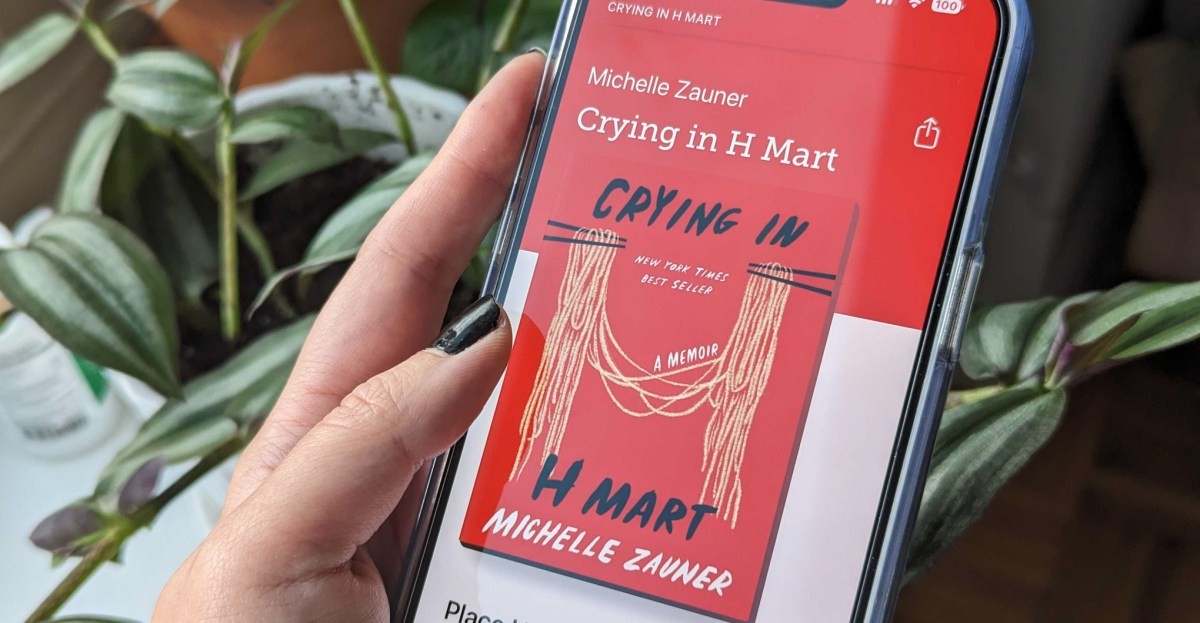
Marc DeBevoise just took the reins at OverDrive. The new CEO says AI is their new frontier. He says this while leading the company behind Libby. That ebook lending app sits on the shelves of tens of thousands of public libraries right now. Like every other corner of digital publishing, OverDrive expects disruption. A huge wave of AI-generated books is coming. It isn’t if, but when.
Filtering the noise
So what to do about it? Libby is building filters. Readers get a choice now. Go to the app settings, toggle the switches. Do you want to see AI stuff or not? It covers more than just authorship too. Machine translations get tagged. AI-narrated audio gets flagged. Even synthetic cover art gets sorted into its own box. DeBevoise wants people to know how the thing was made. He believes in transparency.
We need to tell people what’s available [and] how it was made.
OverDrive tries to walk a line here. They let people opt out, sure. But they also want to embrace the tech’s perks. DeBevoise likes AI recommendations. He likes localization too. Last year, Libby added some AI features for book discovery. People didn’t love it. Backlash followed.
He thinks the benefits are real. Access to information expands when AI helps. As long as you use it right.
Old history, new firehose
Most of Libby’s inventory predates the AI boom. OverDrive started forty years ago. They digitized books onto floppy disks back then. Then came CD-ROMs. They launched ebook lending with libraries in the early 2k’s. The Libby app itself hit the market in 2017. Today they serve 92,000 institutions. Public libraries, schools, universities across 115 countries.
The catalog has 6 million titles. They’ve been borrowed over a billion times mostly from pre-2022. Everything published before then isn’t AI, by definition. DeBevoise knows his majority is safe. That safety won’t last forever though.
Amazon tightened upload limits in 2023. They were trying to stop the flood of AI slop from self-published authors. Kobo is rejecting nearly half of all submissions lately. Their CEO called it standing in front of a fire hose.
The middleman problem
OverDrive doesn’t let authors upload directly like Amazon does. There’s a gatekeeper. A company called Draft2Digital sits in the middle. They feed content to Libby, Apple, and Google. Draft2Digital accepts AI books if a human did “extensive editing.”
Some AI titles are bound for Libby then. OverDrive decided against scanning for AI signals automatically. No proprietary detection engine. Instead they rely on publishers. Self-labeling via metadata. It’s a trust exercise. Will creators tell the truth?
DeBevoise points to translation as a bright spot. He wants to move content between borders easily. Domestic to international and back.
Voice and language
Audiobooks are exploding. They are only 15 percent of the catalog now. Half the app usage comes from listening. It is the preferred modality. DeBevoise calls it that.
He still prefers real voices. Actors doing the work. Synthetic narration is cheap. Cheap often feels cold. Nothing replaces the human touch in that audio. Recording isn’t outrageously expensive in one language. Putting it into one hundred languages is cost-prohibitive. AI solves the scale problem.
Critics warn against AI translation of literary works though. The nuance gets lost. The filters help you avoid it if you want to. That filter only works if the book is labeled correctly though. Garbage in, garbage out.
Nothing replaces the actual human touch.
Lowpass syndication ends this month with The Verge. You can subscribe to Janko Roettgers directly if you want more of this.