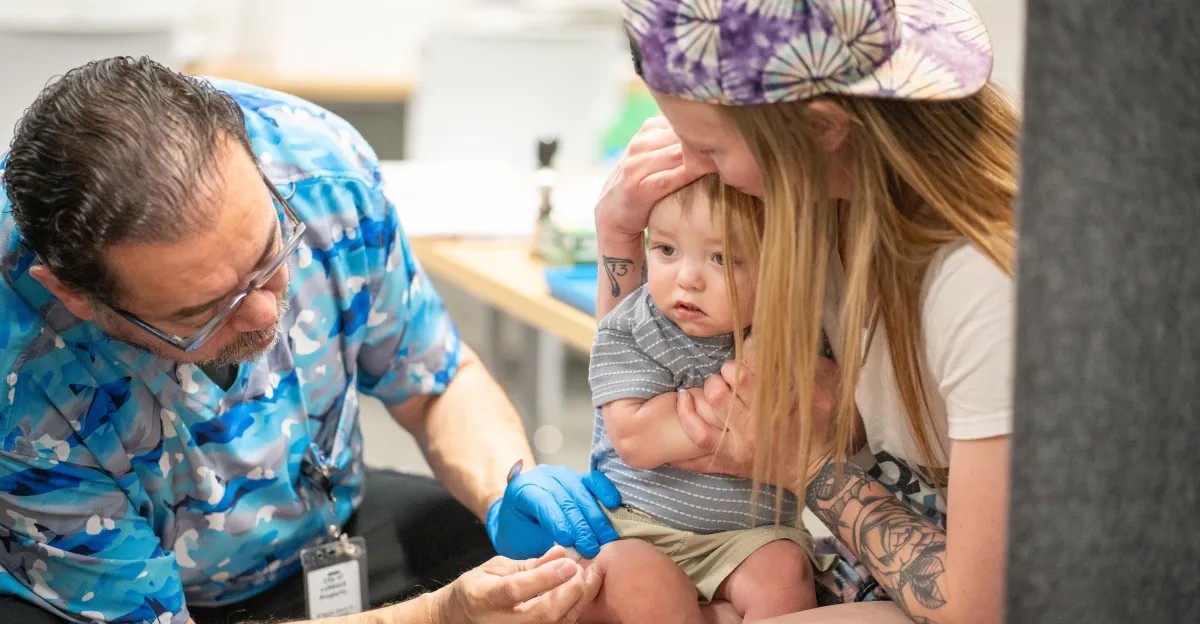
The CDC just released data that makes public health officials nervous. More than 2,300 cases of measles have been confirmed in the United States this year alone. It is the worst year for the disease since 1992.
We thought we had this figured out.
America declared measles eradicated back in 2000. We got cocky. We let our guard down. And now, the virus is back with a vengeance, outpacing all cases from the previous 24 years combined.
This isn’t just a blip. It’s a pattern. And it points to a specific, preventable problem: people aren’t getting vaccinated.
The vaccination gap
Measles is not your average cold. It is one of the most contagious viruses on the planet. If you walk into a room with an infected person, there is a 90 percent chance you will catch it, even if they left the room hours ago. The virus floats in the air. It hangs around like a bad smell that actually makes you sick.
To stop transmission, you need herd immunity. Specifically, you need 95 percent of a community to be immune.
That is a high bar. And we are falling short of it.
According to recent CDC figures, only 28 percent of U.S. counties vaccinate their kindergarteners at a rate high enough to stop the spread. In many areas, that number is far lower. This leaves large pockets of susceptible people waiting for a spark.
When that spark happens, it spreads fast. This year’s cases are largely traced to outbreaks in South Carolina, Utah, Pennsylvania, and Virginia. Some have cooled down, but others are simmering. The underlying issue isn’t geography. It’s vaccine hesitancy.
Why trust matters less now
You could blame politics. You could blame misinformation. Both are real factors. But there is a more ironic reason we are seeing record case numbers.
We did too good of a job.
In the 1950s and early 60s, measles was a normal part of childhood. If you were born in America then, you probably caught it. Roughly 48,0 By the late 1990s, over 90 percent of Americans were vaccinated. The disease nearly vanished from daily life.
This success created a blind spot.
People born in the last 30 to 40 years have rarely seen measles. They don’t know about the rashes. They don’t know about pneumonia. They don’t remember the hospitalizations. For them, the virus is an abstract concept, not a physical threat.
“We’ve done too good of a job.”
One doctor put it bluntly to Vox. Because the disease is so rare, the urgency to vaccinate has faded. Trust in institutions has also eroded, fueled by political polarization and social media rumors. When you combine complacency with misinformation, you get a powder keg.
The cost of complacency
Measles used to be a rite of passage. Now it is a public health emergency. The consequences are severe. Before the vaccine era, millions were infected annually. Thousands were hospitalized. Hundreds died.
Today, the virus travels easily across borders and communities. It doesn’t care about your political party. It doesn’t care if you believe in science or conspiracy theories. It just wants a host.
We solved this problem once before. We used vaccines, public health campaigns, and money. We mobilized everyone from pop stars to cartoon characters to get kids immunized. We can do it again. But it requires acknowledging that the threat hasn’t disappeared—it’s just been sleeping.
Waking it up requires work. It requires trust. And it requires admitting that we can’t afford to ignore a virus just because we haven’t seen it in a decade.
The data is clear. The cases are rising. The window to act is closing. What happens next depends on whether we treat this like a problem or an inconvenience.