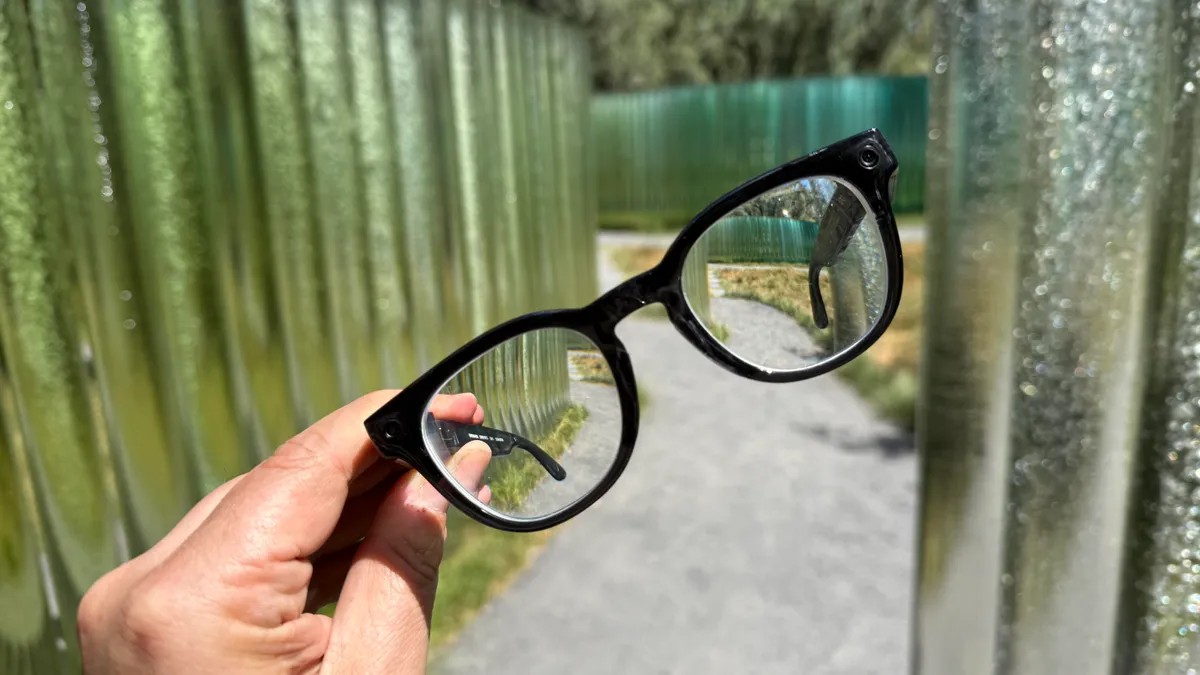
We know Ray-Ban Meta glasses record the world around you. We’re getting used to it, or we’re trying to. But recent leaks show Meta has been playing a darker game behind the scenes. Facial recognition. The kind used by police and soldiers.
You’d hate that if you knew about it.
What went wrong
Back in early June, Wired dug up code buried in the software. It went by the name “NameTag.” Dormant, yes, but ready to run. It promised to scan faces in real time. No consent required. Just digital identification from the wearer’s point of view.
Meta panicked when the story broke. They deleted the code a day later.
Was it an honest mistake? Or a PR fix? The Electronic Frontier Foundation checked the code and agreed Meta pulled it back. But they weren’t buying the redemption arc.
“Deleting the code does not equal a permanent change of heart.”
That’s the problem with these companies. They pivot when the heat gets turned up. They wait for the storm to pass. And then they start looking for supplies again.
The Pentagon connection
A week after the deletion, new evidence surfaced. Another Wired investigation found Meta hadn’t just written code. They were licensing technology from Rank One Computing.
Know that name? Maybe you don’t. The military does. Law enforcement does. Rank One is a Denver firm. They sell biometric tech to the government. Eighty percent of their money comes from those contracts.
The license Meta found allows for “military-grade” identification. It includes liveness detection. This software tells the difference between a living face and a photograph or a mask.
It blurs a line. A thin one. Between consumer tech and state surveillance.
Why are smart glasses using tools designed for the battlefield?
Silence speaks
Rank One Computing stayed quiet. They declined to comment to Wired. CNET called them up, got no response. Standard procedure.
Meta played the long game. A spokesperson told CNET they hadn’t shipped anything yet. No final decision was made. They offered vague promises about a “thoughtful approach.”
“Full transparency.”
Nice words.
The history of hiding faces
This isn’t new behavior for Mark Zuckerberg’s empire. CNET noted earlier how dangerous it would be to store biometric data on-device, creating a local database of every face the glasses ever see. Meta’s defense at the time: they weren’t building a central face database.
Distinction without a difference.
Look at their past. Late 2021 saw them scrap their facial recognition tool for Facebook. They did it only because the public screamed loud enough. Before that shutdown, six hundred million people were trapped in that system. It scanned their photos, their videos. Tagged them without asking.
They got sued by Texas for $1.4 billion in 2024. That settlement cost them, but it bought them peace. Or so they thought.
Distracting from the truth
The New York Times reported earlier this year that Meta was still developing identification software for the glasses. Presumably, it would pull data from Instagram. From Facebook. Connecting your offline gaze to your online friends list.
The creepiest part wasn’t the tech. It was the timing. An internal memo suggested they planned to launch while political turmoil in the US kept critics distracted.
Hide the launch in the noise.
So we sit here with smart glasses in the market. Or soon in it. Meta says they will be careful. They say they will think it through. But we’ve seen how the last chapter ended.
The code is gone for now. The license might be quiet. But the ambition remains. The hardware is on the shelves.
How much do you want to trust a camera on your face?